
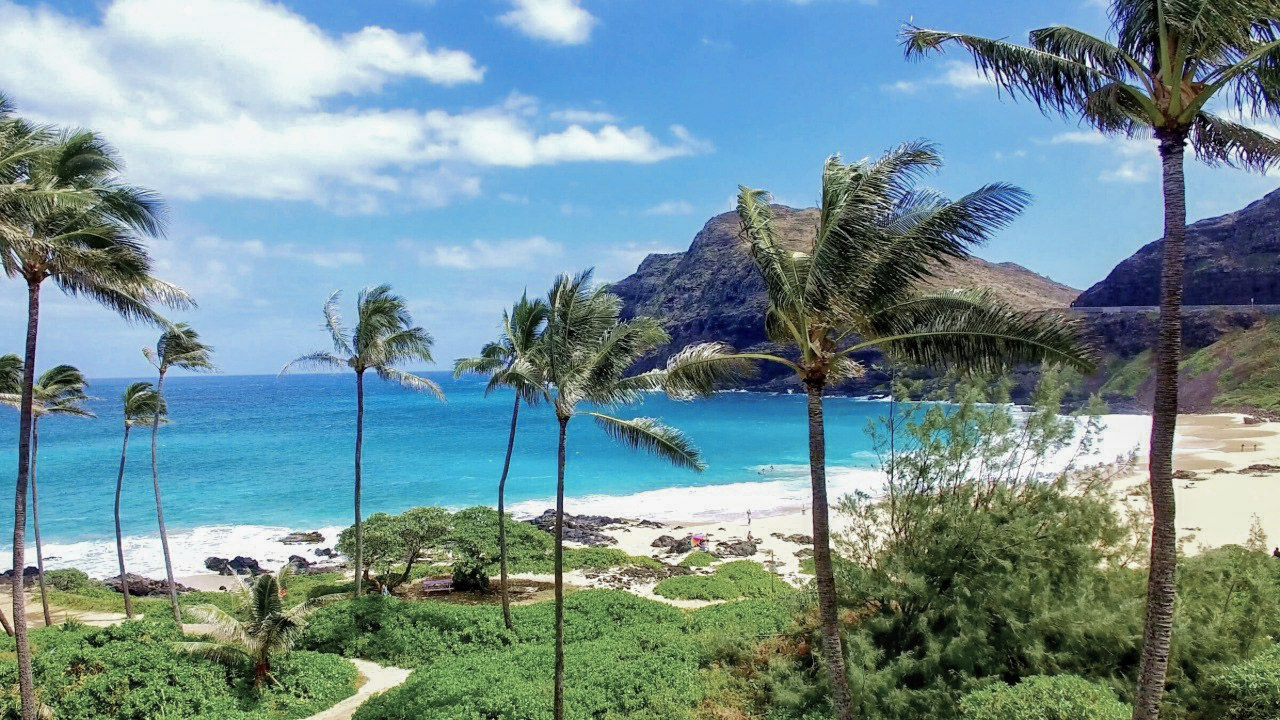
A longtime Hawaii visitor wrote to us saying, “The Hawaii brand is on life support.” The reason it hit so hard is that he was not talking like someone who had stopped caring.
Regular commenter Dan M. from Colorado sounded like the kind of repeat visitor Hawaii used to count on without having to chase after him, the one who already loved the brand, frequently returned, and told others why the long flight and high price were still worth it.
The keystone of Marketing 101, Dan wrote, is establishing a strong brand, and in the past, the mere mention of Hawaii conjured up the most positive vibes globally. Sadly, not so much today. He then went straight to the customer problem hiding underneath the visitor numbers, saying that “brand loyalty among repeat customers is no longer what it was.” For someone watching from Colorado, the damage was obvious.
That is the part we keep hearing from readers across our comment threads. They still love Hawaii, but they do not talk about the next trip the same way anymore. The old certainty went missing. The mental shortcut that once carried Hawaii through high prices, long flights, every form of sticker shock, and even crowded beaches has weakened, and repeat visitors are trying to explain what changed without sounding as if they have turned against a place they still deeply care about.
Dan gave that feeling a name. He called it a “brand problem,” not just a price problem, and that distinction struck us because Hawaii has always been relatively expensive. Visitors have grumbled about hotel rates, airfares, food costs, rental cars, and taxes for as long as we can remember, but many came back anyway because Hawaii felt worth the stretch. The difference now is that more travelers are asking whether the feeling they came for is still strong enough to justify the rest of the package.
The question followed us across Europe this spring.
We were in Europe this spring, preparing comparative reporting on how other destinations handle visitor pressure. Europe is deep in its own reckoning on overtourism, which, in some places, is arguably far worse than anything Hawaii has faced. Even so, the questions we kept getting about Hawaii had a different edge.
We are big-time Hawaii rooters wherever we travel, talking up the islands in Europe and everywhere else we go, which is part of why these questions kept coming our way. Travelers and locals we spoke with asked about Tahiti, where we will soon be returning for more reporting, and how it compares with Hawaii.
They asked about the Lahaina fire and what visiting Maui feels like now, in particular. They asked about anti-visitor sentiment. And they kept asking whether Hawaii still even wants tourists, a question no one raised about Tahiti, and not one we heard ever about the European destinations dealing with their own oppressive crowds.
There is something Hawaii’s loyal mainland repeat visitors may not realize about Europe. Hawaii has been courting European visitors for years through a dedicated European marketing arm, with the stated goal of attracting higher-spending travelers from the continent. The reach across the Atlantic for new customers is real, even as many longtime mainland customers say they feel less central to the Hawaii plan than they once were.
Even 7,000 miles from the islands, Hawaii’s brand problem traveled far ahead of any ad. The question was not whether Hawaii was spectacularly beautiful, memorable, or worth seeing once. It was whether Hawaii still wanted the visitors who had long believed in it.
Even the people running the Hawaii brand keep changing.
The office responsible for promoting Hawaii to visitors, the Hawaii Tourism Authority, just opened applications for a new head, marking the fourth turnover in three years. Most visitors have no reason to track this detail.
Still, the marketing churn does fit this broader lack of focus. Visitors feel when a place is sending mixed signals, and they see the ads, the fees, the piling on of rules, the welcome language, and the complaints from other travelers in person and online, then decide whether the trip still feels worth choosing.
That is where Dan’s brand argument becomes more than a comment. A strong brand reduces visitor hesitation. Hawaii used to do that automatically because the word Hawaii itself carried enough Aloha to overcome many practical objections. Now the word still carries the beauty, but it also carries real doubt for visitors who once did not need any persuading.
A Hawaii vacation rarely changes all at once.
It gets chipped away in small pieces, and repeat visitors feel those changes first because they remember how the trip worked before. A beach that once meant tossing towels in the car now requires checking rules, reservations, parking, time slots, and whether non-residents are in or out.
A favorite hotel now comes with painfully high rates, resort fees, parking fees, and fewer personal touches. A restaurant that once felt like a must-do now leaves visitors wondering why the bill went up while the experience went down. These are not small details to the people who built lifelong family traditions around Hawaii vacations.
Airlines added their own sting. Many Hawaii flyers spent years building habits around Hawaiian Airlines, especially those who traveled repeatedly between the mainland and Hawaii or across the islands. The shift into Alaska may work, but many longtime flyers describe it as a loss of familiarity, value and Hawaii identity.
The loyalty problem Dan is describing.
Dan wrote that those in power are treating the visitor “bug” as something to be gotten rid of, and that line may sound familiar to some readers who have felt blamed instead of welcomed. They may not use those same words in comments, but they recognize and speak to that feeling.
That’s dangerous for Hawaii, even as loyal visitors will tolerate a lot when they still feel wanted. They will pay more, plan harder, forgive, and accept some inconvenience when the emotional payoff remains strong. What they do not forgive as easily is the sense that their loyalty has somehow become a nuisance.
Dan also pointed to the standard marketing rule that acquiring new customers can cost roughly 5X as much as keeping existing customers. The exact figure varies depending on who measures it, but the basic lesson is simple and one that BOH has mentioned countless times. It is far cheaper and smarter to keep loyal Hawaii customers than to keep trying to replace them.
Hawaii should know the drill better than almost any destination, as the islands were a standout for the percentage of return visitors for a half-century. Repeat visitors were not just ordinary customers, and Hawaii had become part of their lives.
Those visitors also did unpaid, valuable marketing for Hawaii for decades. They told friends where to stay, which beach to visit, when to avoid the crowds, and why the cost was still worth it. They defended Hawaii long before Hawaii paid to reach those same people with an ad.
The visitors Hawaii trusted most are speaking clearly.
We recently wrote about three travelers who wrote off Hawaii without debate, and the reader reaction told us something the visitor numbers do not. The issue was not that a few angry travelers canceled in some burst of frustration. It was how quickly longtime Hawaii visitors now move away.
That is the shift Hawaii should pay close attention to. Most visitors do not make a dramatic exit. Instead, they just stop checking airfares, skip the annual discussion, and start looking at Mexico, Japan, Europe, French Polynesia, national parks, cruises, or just staying close to home.
Hawaii’s valuable customers leave emotionally before they leave financially. They stop defending the brand or explaining away the fees or rules. And by the time they finally stop booking, the decision may already have been made months or years earlier.
Hawaii didn’t have to fight hard to keep repeat visitors. The name alone carried the escape, beauty, romance, family memories, healing, and the greater promise that whatever the trip cost, something about the reward still felt bigger than the bill.
That is the very strength Dan says is fading, and he isn’t alone. Hawaii can keep trying to replace lost loyalty, or it can hear the visitors who are still close enough to call out what changed.
Have you started rethinking Hawaii trips you once considered automatic, or does Hawaii still feel worth it to you?
Photo Credit: © Beat of Hawaii
Get Breaking Hawaii Travel News