

Picture this: you’re planning your dream Hawaii vacation, only to be blindsided by hidden fees revealed during the payment process, frustrating departure or arrival delays, or even damaged mobility equipment—with no way to seek recourse. This is the sobering possibility travelers may face if airlines succeed in dismantling crucial passenger protections. For Hawaii travelers, who already contend with high ticket prices and limited choices, these protections are considered by many to be vital to saving money, reducing headaches, and ensuring a fairer experience.
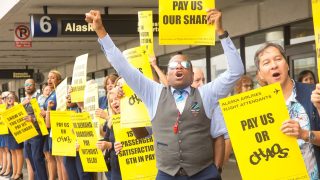
But the stakes are higher than just inconvenience. The battle for transparency, reliability, and accessibility is ongoing in courtrooms and government filings, with major players like Hawaiian and Alaska Airlines challenging the government’s authority to enforce these rules. The outcome may profoundly reshape what you can expect the next time you book a flight to the islands.
The fight over fee transparency heats up in Hawaii.
A heavily debated rule requires airlines to clearly display fees for checked bags, seat assignments, and flight changes right as travelers search for flights. The Department of Transportation (DOT) argued that this level of transparency is crucial for preventing travelers from being blindsided by extra costs later in the booking process.
But not everyone agrees. Hawaiian, Alaska, American, United, and their trade group, Airlines for America, are pushing back hard in court. They claim the rule would cost millions to implement and accuse regulators of government overreach.
Court filings reflect that the airlines aren’t just seeking a delay on these changes but want the rule entirely struck down. They argue that it would “upend the way airlines interact with their customers” while offering consumers little to no real benefit.
For Hawaii-bound travelers, the stakes are significant. Families juggling multiple tickets and bags face extra costs running into hundreds of dollars when fees stay buried in the fine print. That’s the case for airline tickets and Hawaii accommodations. Without this rule, travelers must contend with whatever murky pricing and unexpected surcharges airlines wish to impose.
Hidden fees creep into nearly every aspect of air travel, adding significant costs to what might initially fool travelers into thinking they’re getting a great deal. And that’s true here in Hawaii and globally. From checked baggage fees to charges for selecting a seat, these extra costs can pile up quickly. Travelers may also face fees for changing or canceling flights or premium seating.
For Hawaii-bound passengers, these expenses can quietly inflate the price of a trip, often catching people off guard when their final total arrives. Airlines are looking to take notes from other carriers, including Europe’s giant EasyJet, which offers airfares for just a pittance. Their charges for carry-on and checked bags and seat assignments often make EasyJet fares five times what they were first displayed.
Disability travel protections may be rolled back.
In late 2024, the Department of Transportation introduced a landmark rule to safeguard the rights of travelers who use wheelchairs. This rule established new handling procedures and stronger protections for damaged devices, turning years of persistent complaints into more clearly enforceable standards.
However, the initiative has sparked pushback. Major airlines serving Hawaii—including Hawaiian, Alaska, American, and United Airlines—have launched legal challenges against that rule. They argue that the DOT overstepped its authority and claim that parts of the regulation are impractical to implement.
For Hawaii-bound travelers, these protections are crucial. Many, including those who comment on BOH, are older, repeat visitors who depend on accessible travel solutions. With lengthy flights to Hawaii and often scarcely accessible transportation options on the ground, passengers with disabilities face distinct hurdles. If the rule is overturned, the concern is they may be left with inconsistent service and unresolved issues, perpetuating the struggles that the DOT hoped to fix.
What this could mean for Hawaii travelers.
If these legal challenges are successful, Hawaii travelers could lose out on many long-overdue upgrades before they even take effect. These potential improvements include upfront pricing transparency when booking, automatic compensation for delayed or canceled flights, and better treatment of wheelchairs and other mobility aids. For example, in the UK, automatic compensation rules have resulted in travelers, including BOH editors, receiving hundreds of dollars for delays without having to jump through hoops.
Navigating airfare pricing and service complaints will likely remain frustrating without these protections. What makes this even more concerning is the reality for Hawaii-bound travelers. They consistently pay a premium for flights to the islands, often higher than tickets to Europe, yet may not enjoy the same level of passenger protection unless these rules are upheld.
Airlines want flexibility, while Hawaii travelers want clarity.
From the airline perspective, these rules are burdensome, expensive, and sometimes vague. Industry groups have said they support passenger rights in principle but argue that the DOT is moving too fast without sufficient input or justification.
But from the traveler’s side, especially those booking expensive, long-distance Hawaii vacations, the rules offer long-overdue improvements. They address problems like sticker shock at checkout, damaged wheelchairs, and multi-hour delays with no resolution.
Some Hawaii travelers are already chiming in. One BOH reader commented recently, “We paid over $1,500 for two roundtrips to Maui and still got stuck with fees we didn’t see until checkout. How is that fair?” Another reader, Tony, added, “It’s not just delays. It’s no answers, no help, and no compensation.”
Those sentiments reflect what’s at stake as the legal wrangling continues.
The Hawaii-specific angle airlines overlook.
Hawaii is a lucrative airline destination, with high load factors and strong seasonal demand. However, it also presents unique challenges that can amplify traveler dissatisfaction.
Flight schedules are often limited, interisland connections leave little room for delays, and mobility solutions can be challenging to navigate for some passengers.
These factors suggest that the proposed rules could be particularly significant for Hawaii travelers, making it important to carefully consider the potential impact of efforts to block them.
What to watch next.
A court has already paused the DOT’s fee transparency rule; other decisions, including those on wheelchair regulations, are still pending.
If the DOT rules are overturned, revisiting or implementing similar protections could take years. Airlines may not adopt standardized practices for fee transparency, compensation, or accommodations without federal guidelines.
Hawaii travelers may want to stay informed and consider sharing their experiences with the DOT or participating in public discussions. These rules were developed in response to passenger feedback, and continued input could shape their future.
We welcome your thoughts.
Get Breaking Hawaii Travel News

This transparency needs to be across the board for air travel, car rental, hotel and vacating rentals. Those fees combined will add up to a substantial amount. They need to be factored in if you are not on an unlimited budget. There is already parking and entrance fees that were not there before.
US airlines just suck in general. I was on Virgin Atlantic earlier this week, and Everything was free, even cocktails, and yes I was flying in economy
Hawaii is anything but a “lucrative airline destination.” The largest airline in the market, Hawaiian, hasn’t made a profit since 2019 and has lost a billion dollars since.
Southwest, which played a part in driving down fares has reduced service and its future presence is cloudy.
Even United, the historically largest airline from the mainland has cut back, flying 737’s where they used to fly 777’s.
You can have risk-free flying or you can have real dollar fares below what they were in 1977, but you can’t have both.
Airlines being against passenger protections???!!! “Say it Ain’t So”!!!
“Weezer”
Either way the airlines will screw pax by either the status quo or passed on increased fares for some of the implementation or compliance. With the extensive airlines’ organizations & lobbying and current administration, airlines undoubtedly will call the shots.
The best strategy is to educate & advocate for one’s own (limited) consumer rights for however short or long they exist. And maybe invest a tad more in Staycations and limited air travel options.
Now wait a minute, you mean that the most Hawaiian Airline now doesn’t want to show “aloha” when they screw up beyond something weather related!? Interesting.
Come, come now, we cannot have the airlines not making more money with hidden fees now, can we?