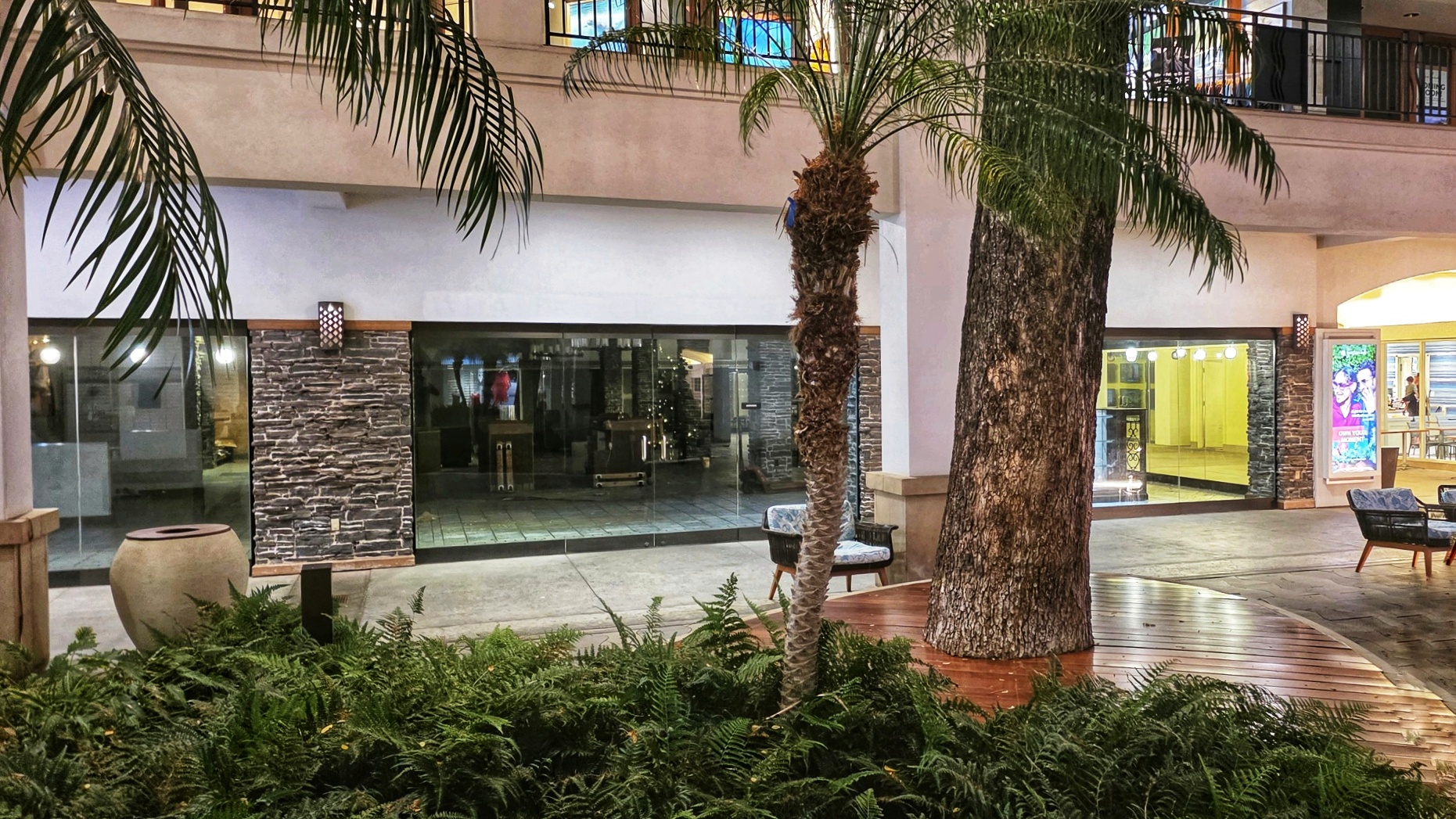
Wolfgang’s Steakhouse on Maui closed at the end of January, after just opening in April 2024 at The Shops at Wailea (in the former Longhi’s space). The company said sales were weak and staffing also played a role, with about 20 employees notified on January 12 and receiving 41 days of pay instead of a full 60-day notice. The Waikiki location remains open, which only makes the Maui result more curious.
This was a restaurant with a global name in one of Maui’s best-known, upscale visitor zones. It had heavy resort traffic nearby, plenty of affluent travelers, and a location people already knew. That is why this seems like more than a routine restaurant closure.
Why this closure matters more than it looks.
A lot of restaurants close, and the story ends right there. This one seems to speak to how Maui visitors choose once they arrive, because Wolfgang’s was built for the exact kind of traveler Wailea still attracts. It was supposed to catch the special occasion dinner, the steakhouse night, and the vacation meal, where the cost did not need much defending.
Wailea is popular, and visitors there have not stopped spending money. They are still paying for everything from flights to expensive rooms, parking, resort fees, and everything else required to be there. What is changing is how often they are saying yes to a dinner that feels expensive without feeling essential.
That established Maui pattern used to be routine. Visitors mixed casual lunches and lower-end dinners with several nights out that felt like key parts of the trip. Steakhouse night, seafood night, a sunset dinner with drinks, and maybe one meal that cost more than it should have because that was part of being on Maui.
That pattern appears less true now. More visitors are choosing one splurge dinner instead of several, and some are cutting it down even further once they see the menus. Resort guests are walking right past and picking options that feel like better value, from take-out to fast food. Condo renters are cooking in more. Both are skipping the kind of meal Wolfgang’s was built for.
The squeeze is in the middle.
This is not really a story about ultra-luxury dining. Maui still has travelers who will spend heavily on a meal and not hesitate, especially when the restaurant feels unique enough to justify it. It is also not really a story about casual dining, because easier, lower-cost meals still fit the way many visitors now travel.
The pressure is in the category that used to feel normal on Maui trips. That is in the “nice dinner out” range, where the meal is clearly expensive but still meant to just be part of an ordinary vacation rhythm rather than a huge ordeal. That is the space that looks shakier now.
Wolfgang’s Steakhouse sat awkwardly in that zone. Nobody would describe it as budget-friendly, but plenty of Maui visitors also would not put it in the truly rarefied category where the price can almost be part of the attraction, as was the case when we reviewed Mama’s Fish House. Wolfgang’s on the other hand was expensive enough to hurt and ordinary enough to be cut out.
When visitors are already staring at soaring airfares, lodging, parking, rental car, and activity costs, plus 19% accommodation taxes, dinner gets judged more harshly than it used to be. A restaurant can still be good, busy-looking, and well-placed, but if the bill starts to outrun the experience, Maui visitors are backing away.
What visitors were reacting to.
Comments from visitors focused on a $30 hamburger, extra charges for basics, expensive side dishes, and the feeling that better value could be found elsewhere, even in Wailea. That kind of talk does not prove a restaurant is doomed, but it does show that more people are now doing the math.
Visitors are not simply asking whether they can afford a meal. They are asking whether this dinner is worth spending on, whether a different place would feel better, or whether they would rather save that money for something else. The question is no longer just price. It is price against the rest of the trip.
One skipped dinner is not a crisis. Ten skipped dinners over a week are still not visible to most people passing by. But keep enough of those small decisions happening, and eventually, a place in a prime location starts looking busier from the outside than it really is.
This is a visitor shift, not a Maui collapse.
None of this means Maui has stopped attracting travelers. Wailea still pulls high-spending guests, the hotels are still full enough, and people are still arriving ready to enjoy themselves. The change is that the old assumption, that those visitors will naturally convert into several expensive sit-down dinners, is not holding true the way it once did.
This does, however, have consequences for restaurants that were built around the older version of Maui travel. It is not enough to have the right location, a known brand, and a familiar special-occasion format. Visitors now look more closely at what they are getting, how others have reviewed the food, and the value, and are then quicker to trim away the parts of a trip that feel unnecessarily inflated.
As that keeps playing out, Maui does not lose dining options altogether. What it starts to lose is the middle layer, the places that are supposed to feel special but may not be at the level of the island’s biggest and most renowned dining splurges. That is a real change in how Maui works, and Wolfgang’s is the latest proof of it.
The question now is whether this was just a bad fit in Wailea, or whether more Hawaii restaurants in that same “nice dinner out” lane are about to have the same problem.
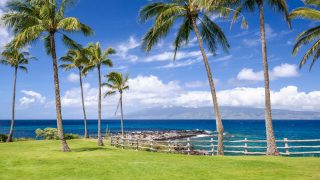
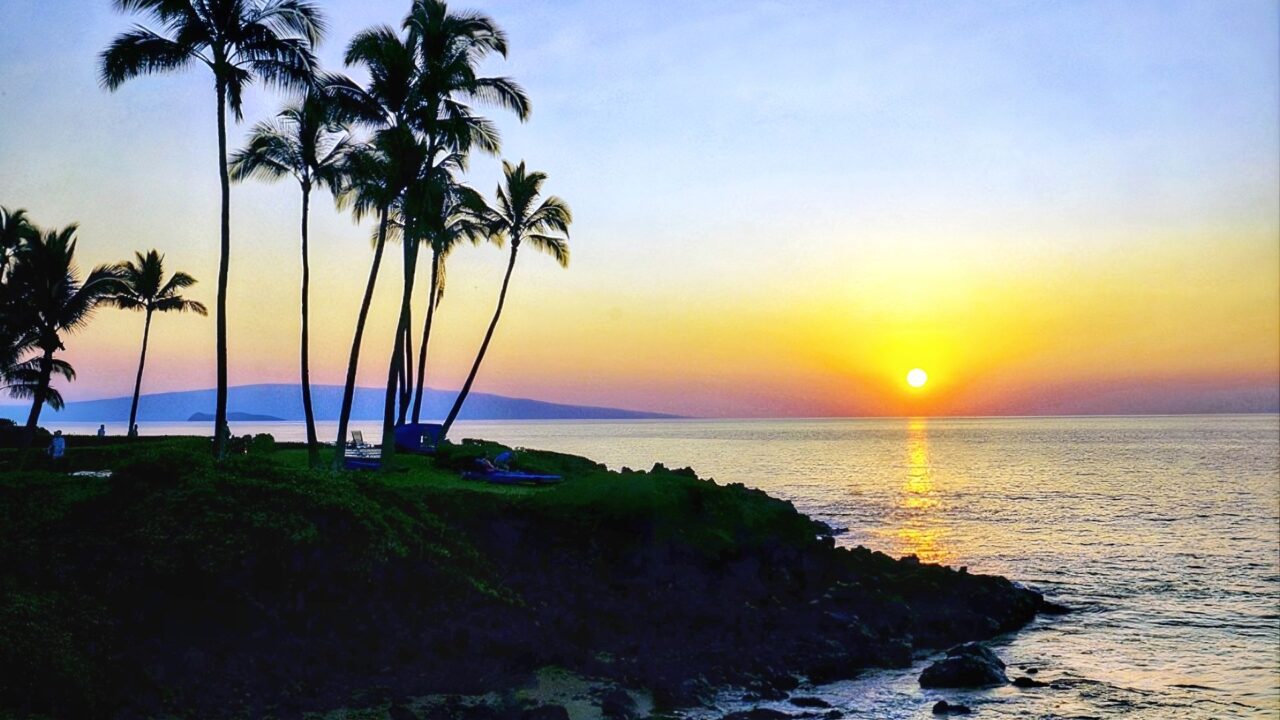
Lead Photo: Beat of Hawaii at Wailea, Maui.
Get Breaking Hawaii Travel News