
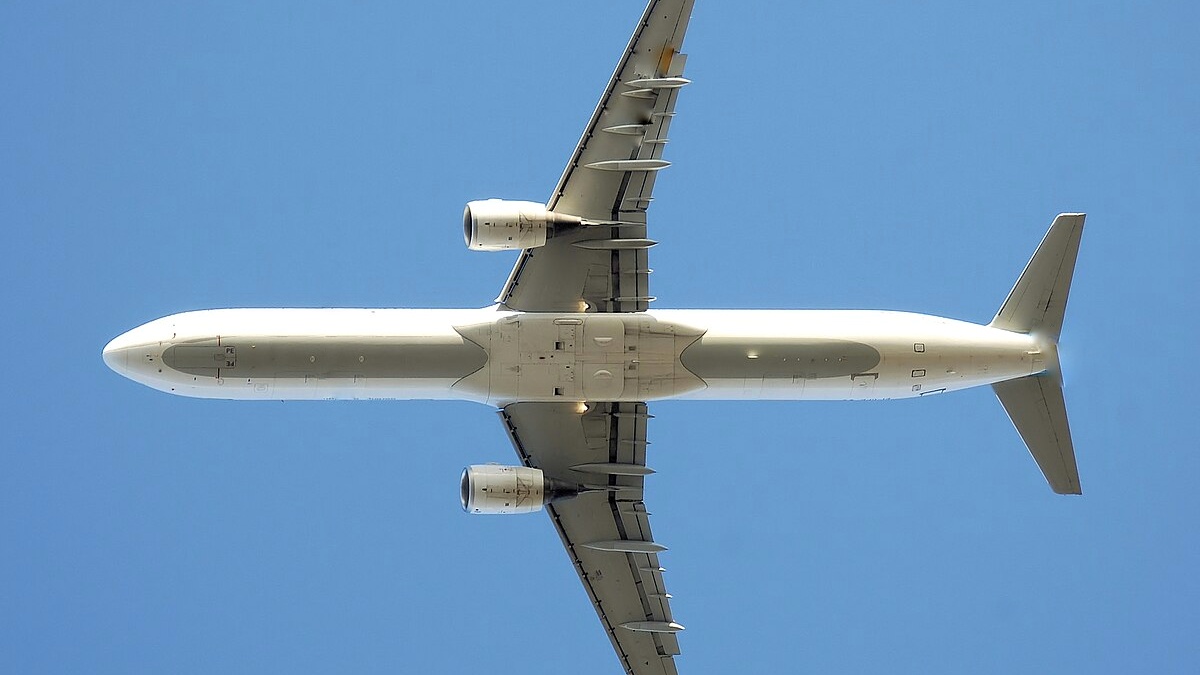
When airline executives talk about “premium leisure demand,” that means Hawaii, whether they say it or not. That phrase shows up regularly in earnings calls and analyst briefings. It sounds abstract and yet flattering at the same time. Premium. Leisure. Demand. But in practice, it describes a very specific traveler and a certain kind of trip. Trans-Pacific flights booked months in advance. Honeymoons and anniversaries. Families on a splurge island vacation. Retirees finally buying the business class seat. Hawaii fits the profile perfectly.
Those travelers helped airlines rebuild their premium cabin revenue after the pandemic, while corporate travel stayed minimal. Airlines have acknowledged this repeatedly, even if they rarely name the destination. And now, they are moving to charge those same travelers again for something that was marketed to the max as a permanent change just a few years ago: flexibility.
Change fees are coming back to Hawaii flights. They are no longer called change fees, since airlines now say they largely have none except for basic economy. That is a technicality at best.
Change fees did not disappear. They are being rebranded.
During COVID, airlines eliminated change fees almost overnight across the industry. It was positioned as a reset, a recognition that rigid ticket rules no longer worked in a world of uncertainty. Travelers responded. People booked again even when plans still felt fragile. But airlines are hungry to get that ancillary change fee income back.
What is happening now is not a reversal in name. It is a reversal in practice. Airlines are bringing back penalties by restructuring fares so that flexibility is no longer part of the baseline. It becomes a paid upgrade layered on top of a seat and other amenities that travelers already thought they’d purchased.
Instead of charging a change fee outright, airlines are seeing the next vehicle to more income by dividing each cabin into tiers. No joke. That might be called: Basic. Main. Extra. The cheapest version looks attractive on the surface with the lowest cost and the one airlines heavily promote, but it comes with restrictions that would have been unthinkable for Hawaii travel not long ago.
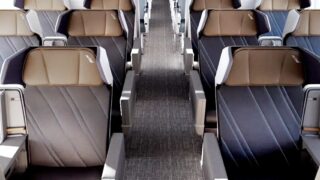
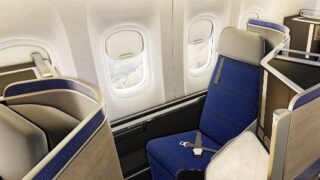
This structure will not be limited to economy cabins. Airlines have been clear that the same model is coming to premium economy, business class, and, where it exists, domestic first class as well.
What “choice” actually looks like in practice.
Airline executives describe this shift as giving customers more choice. The reality is that the choice is between keeping what used to be included or paying more to avoid losing it.

That trade was spelled out bluntly by Delta president Glen Hauenstein during the airline’s January earnings call. “You can buy it for $450 if you’re willing to get the seat assignment at 48 hours, if you’re willing to have it nonrefundable, and then all the way up to extra, where it’s fully refundable, and you get the best seats unlocked at that time.”
The cheaper fare is not cheaper because the seat is worse. It is cheaper because flexibility has been removed. Refundability is gone. Advance seat selection is also missing. In premium cabins, even lounge access and mileage earning can be reduced. This is the return of change fees, just sliced differently and presented more politely.
Why this impacts Hawaii travelers more than most.
Hawaii trips are not casual bookings. They are planned far ahead, often around school calendars, best weather windows, and limited vacation time. Plans change. Flights get delayed. Connections get missed. Events can disrupt even the most carefully built island itinerary.
Flexibility arguably matters more on Hawaii routes than it does on a routine domestic business trip. So does seat selection, especially for families or couples booking a special trip. Being told that a premium seat will be assigned at the gate or within 48 hours is not a small inconvenience when travelers have paid thousands of dollars and waited years to take a Hawaiian vacation.
To some, lounge access matters more, too. Hawaii itineraries often involve long mainland layovers, early morning departures, or overnight returns. Removing lounge access from the cheapest premium fares turns those long waits into a penalty. These are not fringe cases. They are normal Hawaii travel realities.
Premium leisure saved these cabins. Now airlines will extract more.
This shift did not appear out of nowhere. When Delta Air Lines moves first, the rest of the industry pays attention. Delta and United have long been the agenda-setters on pricing and product strategy, particularly in premium cabins.
That is how basic economy spread. Seat fees, too. Loyalty programs became far less beneficial. American adapts. Alaska follows. The industry eventually lines up behind whatever has already been normalized by the airline leaders.
The same airline adding roughly 10% more Hawaii seats this winter is also leading this shift. Once Delta frames this as “choice” rather than a fee, it becomes far easier for every other airline to adopt the same approach without taking the first punch.
What Hawaii flyers can expect next.
The mechanics will vary by airline, but the pattern is clear and undeniable. More fare tiers – nine instead of three. Far more restrictions at the lowest premium price point. New pressure to buy up just to keep what used to be standard.
For Hawaii travelers, that likely means higher all-in costs or less flexibility on trips that already require careful planning. It also means more moments where a change, delay, or missed connection suddenly becomes expensive.
At some point, travelers will have to decide whether paying extra for flexibility is still worth it, or whether the meaning of business class has shifted enough that the premium no longer feels like one. That question is coming to Hawaii flights sooner than many travelers realize.
Get Breaking Hawaii Travel News
Well, no surprise here. This is the continuing process of the airlines devising new ways to hose the passengers because, as I keep reiterating, “you gotta fly”, so you have to bend to their demands, which they call ‘for your convenience’ or ‘new choices’, etc.. The likelihood of help from the FAA, or so-called Consumer Protection Agency or anyone else, under the current business orientated administration, is highly unlikely. Unless your name is Musk, or Bezos, or similar. Get used to it, and in reality, expect more ‘benefits’ in the future. We are headed for ‘the Dark Ages’ folks, and this is just the continuation of the decline of that thing once referred to as “Customer Service”. The only way to stop it is Not To Fly. Fat chance of that taking place, but if an airline or two went bankrupt because of it, maybe the airlines would get the message.
Privileged with 2 free check-in luggage, Honolulu to SeaTac in October 2025; however, return flight in November, SeaTac to Honolulu, was not…$40 each! What a surprise!!!
Yup, and free bags and the (previously useful) points were the reason I got the Hawaiian Airlines credit card, which is now useless as the baggage fees kick in and the value of the points have diminished. Also, look to the future, coming soon, when you have to pay for the flight Before you can make your seat selection, and you may not like what’s available for that 5+ hour flight to ‘paradise.’ It’s all about More Profits.
Why was it a surprise?