
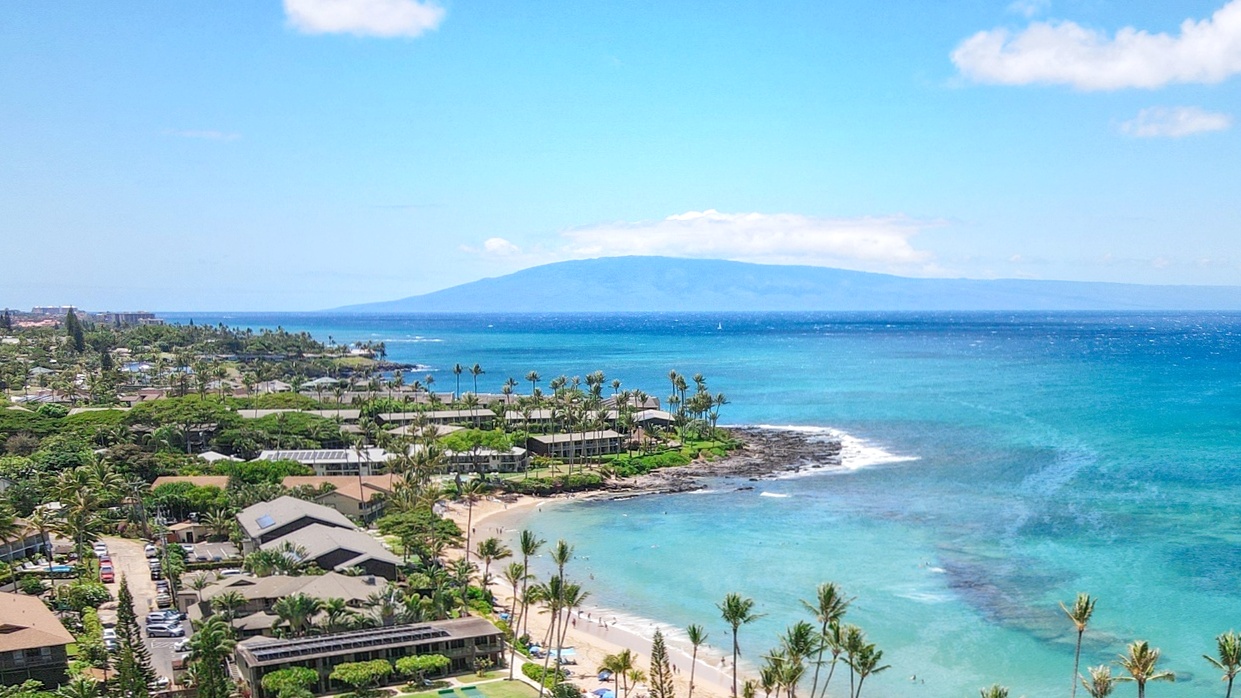
Many visitors to Hawaii mix hotels and Airbnbs on the same trip. We often do the same when we travel. Some hosts welcome guests personally, and we have even been invited to dinner. But Airbnb has also changed over the years. Many listings today are run by vacation rental companies operating legal units rather than individual hosts renting their own homes or rooms.
At the same time, some individual listings may be appearing in neighborhoods that are not zoned for vacation rentals, something many travelers never realize when they click the booking button. A new bill now moving forward in Hawaii could bring that issue directly into the reservation itself, allowing counties to use Airbnb listings as evidence in enforcement cases.
Hawaii had the power to fine Airbnb.
The enforcement fight over Hawaii vacation rentals has been building for years, particularly on Oahu, where officials tried to rein in illegal listings but rarely challenged the platforms hosting them. In 2019, Honolulu passed a law that allowed Oahu to fine booking platforms up to $10,000 per day for each illegal rental advertised on their sites.
At the time, it was considered one of the toughest platform enforcement laws in the country. In practice, however, it was never used, and Honolulu never cited Airbnb or VRBO a single time under the law, despite years of debate over illegal vacation rentals in residential neighborhoods. City officials said they preferred to work with platforms rather than going after them directly.
Some estimates suggest that Oahu now has about 8,000 Airbnb listings, while only about a quarter of those operate legally as short-term vacation rentals.
Hawaii visitors often assume the listing they find on a platform has already met the legal requirements in Hawaii, yet thousands of listings appear online even though they would not qualify under county rules.
A screenshot could now serve as evidence against your rental.
A new bill (HB 1590) would allow time-stamped screenshots of vacation rental listings to be used as evidence in county enforcement cases, a change that could affect travelers who have unknowingly booked months before they arrive.
A rental that appeared legitimate on Airbnb when the reservation was made could later become part of a new enforcement case. Counties would not need inspections or time-consuming investigations to demonstrate that the property was being marketed as a short-term rental. Beyond screenshots, the bill would also authorize liens and, if violations continue after enforcement begins, foreclosures against operators who continue to violate the rules.
Hosts frequently remove or alter listings once regulators begin looking at a property. A screenshot captured from the listing itself could now become part of the legal record. Travelers rarely know whether a listing complies with local zoning rules when they click the booking button and simply assume it does at that point. They see availability and pricing.
If enforcement becomes easier and faster, some listings that once remained online indefinitely could disappear overnight, even with reservations already in place, leaving trusting guests scrambling for alternatives.
Airbnb would have to collect your Hawaii vacation rental taxes.
HB 1590 also targets the financial side of the issue, requiring Airbnb and other booking platforms that collect service fees for reservations to register with the state Department of Taxation as tax collection agents. Those companies, also including VRBO, would be responsible for collecting and paying Hawaii’s General Excise Tax and Transient Accommodations Tax on behalf of vacation rental hosts.
Supporters say the change would improve tax compliance and reduce evasion. Visitors would see the impact on the total cost of a booking.
Whether platforms pass those costs to guests or absorb them is unclear at this point, though any new compliance costs typically show up in what guests pay. Hawaii vacation rentals already include a complicated set of taxes and platform fees that many travelers find confusing when they arrive at the final checkout screen. Readers have watched that frustration build in stories like Airbnb Hawaii Getting The Message Visitors Hate Fees.
Hawaii Tourism may now become a policing agent.
The bill also changes the role of the Hawaii Tourism Authority. For decades, the HTA served as the state’s tourism marketing arm, promoting Hawaii to visitors worldwide.
HB 1590 would require HTA to actively discourage the use of illegal short-term rentals as part of its destination management plan messaging we wrote about yesterday. That would mark a big change for the group whose entire reason for being has been to bring more visitors to the islands.
Hawaii visitors who booked through Airbnb have long assumed the state had vetted and welcomed that business, given that vacation rentals are such a large part of how people visit Hawaii. Yet it remains contentious, and attempts to restrict rentals have already triggered legal challenges from property owners, including those we described in Maui Vacation Rental Owners Poised To Sue Over Ban.
The state is done chasing vacation rental hosts. It wants Airbnb.
For years, vacation rental controls focused enforcement almost entirely on the individual hosts. Property owners received warnings, citations, and fines while the platforms themselves were mostly left alone.
Airbnb and other booking companies have long asserted that they are not the ones responsible for determining whether listings comply with local zoning rules. It has been up to the hosts to decide whether to follow the rules.
By requiring platforms to register as tax collectors and allowing listings to serve as the latest evidence in enforcement cases, Hawaii would place responsibility directly on the companies that publish and promote those listings.
Airbnb has pushed back on how much responsibility it should bear for overtourism, an issue we explored in Who’s Really To Blame For Hawaii Overtourism: Airbnb Pushes Back.
Not everyone wants Airbnb gone.
Opposition to the bill has emerged from several corners, including the Libertarian Party of Hawaii, which testified in writing describing the measure as government overreach that interferes with voluntary market transactions and forces private companies to act as new state tax collectors.
Supporters of the bill say the new legislation is needed to strengthen tax compliance and reduce the number of housing units converted for illegal visitor use. The Office of Hawaiian Affairs submitted testimony in support of the measure. They believe the loss of residential units to illegal vacation rentals disproportionately affects Native Hawaiian families and their ability to find housing.
HB 1590 will first need to clear the full Hawaii Legislature before becoming law. If it passes and the governor signs it, some provisions would take effect later this year, with platform tax reporting requirements starting January 1, 2027.
Have you ever booked a Hawaii Airbnb and wondered later whether it was actually legal where it was located?
Get Breaking Hawaii Travel News






Color me skeptical! Hawaii does not have the cojones to take on AirBnb or VRBO, but they have what it takes to go after the little guy. I rented my condo out last summer for 6 months and found that the tenant was then advertising my place on AirBnb. I was informed by the Hawaii inspection team that monitors listing sites and identifies properties that are illegally advertising.STRs. I was threatened with $500 a day fines if I didn’t get the listing removed within 7 days. Fortunately my agent got the listing removed and we got him out. When I requested info from AirBnb they ignored me, despite my being the property owner. And I’m not alone as you can see this repeated all over the world if you Google it. The worst part was that this scofflaw was doing the same thing to 10 other landlords at the same time but the Hawaii inspectors would not provide any names so that we could coordinate an effort with AirBnb. Apparently you need a subpoena to get anything from AirBnb.
We all know what this is really about….the hotel industry doesn’t like competition and they are the ones pushing for this. All we have to do is follow the money. AirBnB is a huge need on the big island. It’s a simple matter of geography. Visitors can’t just stay in Kona and Hilo. They want to get outside of these tourist traps. All this bill is going to do is move airbnb type platforms underground and onto sites that have more privacy and security.
The biggest thing is that travelers probably have no idea whether a listing is legal or not. Most people just trust the Airbnb platform and assume everything has been checked already in order to be listed. Something doesn’t make sense about this coming so many years after announcing the crackdowns.
I completely understand why residents are upset about illegal rentals. If homes meant for families become vacation properties, it makes housing more challenging. At the same time, visitors depend on legal rentals because hotel prices are already so high as to make Hawaii impractical. Is there no middle ground here?
Some of our best travel experiences in Hawaii came from staying with local hosts instead of resorts. One host on the Big Island even took us to a farmers market we never would have found on our own. I hope those kinds of stays don’t disappear. It feels like there’s too much at stake here for the hotels and I suspect they are behind some of it.
We’ve stayed in multiple Airbnbs on three different Hawaii trips and never once thought about whether the unit was legal. If it was listed, we assumed it was fine and had been checked out.
“Hawaii visitors often assume the listing they find on a platform has already met the legal requirements in Hawaii, yet thousands of listings appear online even though they would not qualify under county rules.”
This is a message that needs to get out that it’s not safe to make this assumption. If you mess up, you may find yourself on an island without accommodations.
How to check? Just google “STR compliance map” appended with the island name. If the listing is in the zone that’s OK, you’re good to go. If not, look in the listing for the exemption number And then Check It. We’ve stayed in a few that were legal outside the zones. I sure wouldn’t want to get that wrong!
As a legal vacation rental owner, I don’t care who submits the tax, me or the platform. The cost to me and to the guest is the same. The only drawback is that the platforms are generally incompetent and do make mistakes, which can hurt the owners when it wasn’t their fault.
I don’t understand how all these illegal rentals are on the platform, since the platforms require you to provide your operating license numbers. Are they providing incorrect numbers, and nobody checks?
Verifying something is legal is not something that should fall on guests. They should be able to enter the license numbers provided into a state/county database and see the associated info to make sure what they are booking is legal.
All that said, the state and counties have been passing more and more stringent and sometimes illegal barriers to getting licenses. So in a way it is understandable why this is a problem that will continue to get worse.
If Airbnb is required to collect and remit TA taxes on all short-term rental properties on their platform, the illegal properties won’t have a tax account set up with the State and/or County.
I wonder how Airbnb will remit those taxes, how will that will work?