Almost nobody who flies to the Big Island knows a 20-year plan is being written right now that will determine how Kona Airport works and grows, what gets built, and what does not. Visitors keep booking flights, residents keep using the airport, and a long-range plan is being crafted that will alter everything from runway capacity to terminal flow to how the airport handles helicopters. Public input is still open, with more meetings scheduled through October 2026, and the final master plan is not expected until November 2026.
What KOA is now, and why this matters now.
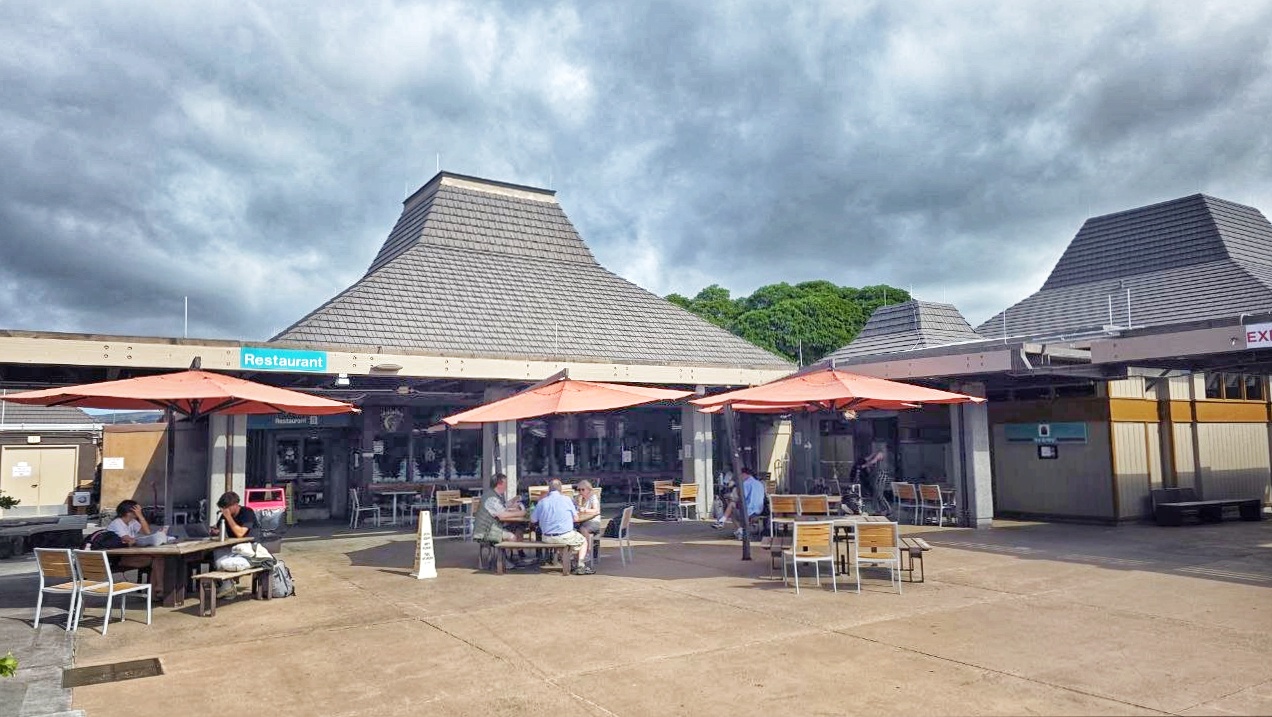
Anyone who has flown in and out of KOA knows it does not feel like a typical mainland airport. It is open-air, sprawling, sometimes easy, sometimes awkward, and a central part of every Big Island arrival. You walk down the boarding stairs and onto the tarmac (there are no jetways at KOA), into heat, wind, sun, and unexpected weather. KOA still runs with a different rhythm than most other Hawaii or mainland airports visitors pass through on the way here.
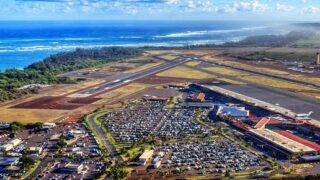
Kona Airport sits on about 4,200 acres, has a single, very long 11,000-foot runway, and, in 2025, handled 4.1 million passengers. The long runway, long enough that many have claimed it doubled as a Space Shuttle emergency landing site, though NASA never officially confirmed it, was extended to that length in 1994 to accommodate wide-body jets and open the door to international service.
The FAA projects another 1 million arriving passengers and another 1 million departing passengers by 2044. For an airport that already has pinch points, long walks, and tight holdrooms, those numbers deserve more public attention than they have gotten.
What is on the table.
The state says the master plan is about preparing KOA for the next 20 years without overbuilding. Among the ideas on the table are a potential second runway, a hotel on airport land, an airport firefighter training center, expanded helicopter operations, and a $137 million terminal improvement program. That terminal work would include bigger holdrooms, more restrooms, expanded courtyard areas, and better connector spaces.
For all the talk of improvements, nothing in the current plan suggests KOA is moving away from its open-air design. That means the experience most travelers associate with Kona, walking across the tarmac, boarding by stairs, and arriving in open courtyards, is likely to stay. The changes being discussed focus more on how that experience functions under heavier use than on replacing it with a mainland-style terminal.
The second runway is not a new idea.
State records show that in the late 1980s, when much of the community pushed for a second runway to handle fully loaded mainland flights, the state chose instead to extend the single runway, citing cost and federal funding constraints. But that was decidedly in a different era of tourism.
The master plan is the first formal opportunity to either put it back or not, and the public comment period is the time when it will be fleshed out. KOA has already received roughly $65 million in federal rehabilitation funding for its existing runway, yet it kept cracking. The hotel idea raises its own set of questions. Some travelers may appreciate the convenience of an airport hotel, while others may question whether airport land is the best location for one when basic operational needs remain unresolved.
The helicopter question needs a real answer.
The master plan lists safety measures for both fixed-wing aircraft and rotary-wing (helicopter) operations as objectives. It offers nothing, however, more specific than that single line.
Hawaii has the worst helicopter sightseeing safety record in the nation, according to NTSB data. Big Island residents have also complained for years about helicopter noise, and those concerns have grown alongside the spike in Kilauea flight-seeing activity. The Hawaii Noise Roundtable has been postponed until further notice since 2019, which leaves a huge gap when the master plan offers broad objectives with little details behind them. Helicopter operations at KOA have grown since the 1980s, when the state expanded the north ramp to handle increased rotary-wing traffic.
None of that means the master plan will expand helicopter activity without mitigation. If rotary-wing safety is part of a 20-year airport vision, the public will need to know specifics, including what is being considered, how noise concerns will be addressed, what safeguards are being built in, and whether communities already living under current flight paths are being considered.
What may still change.
The current process started in January 2025, with the second community meeting held on March 16, 2026, and more meetings still scheduled through October. HDOT Deputy Director Curt Otaguro has said the state is not going to overbuild and will not do anything behind the public’s back.
Anyone who uses KOA, whether once a year or every month, should know what is being discussed. The project information and public comment portal are at koamasterplanupdate.com. The HDOT project contact is Traci Lum at 808-838-8097 or [email protected].
If KOA is part of your Big Island life, are you comfortable letting a 20-year plan move forward?
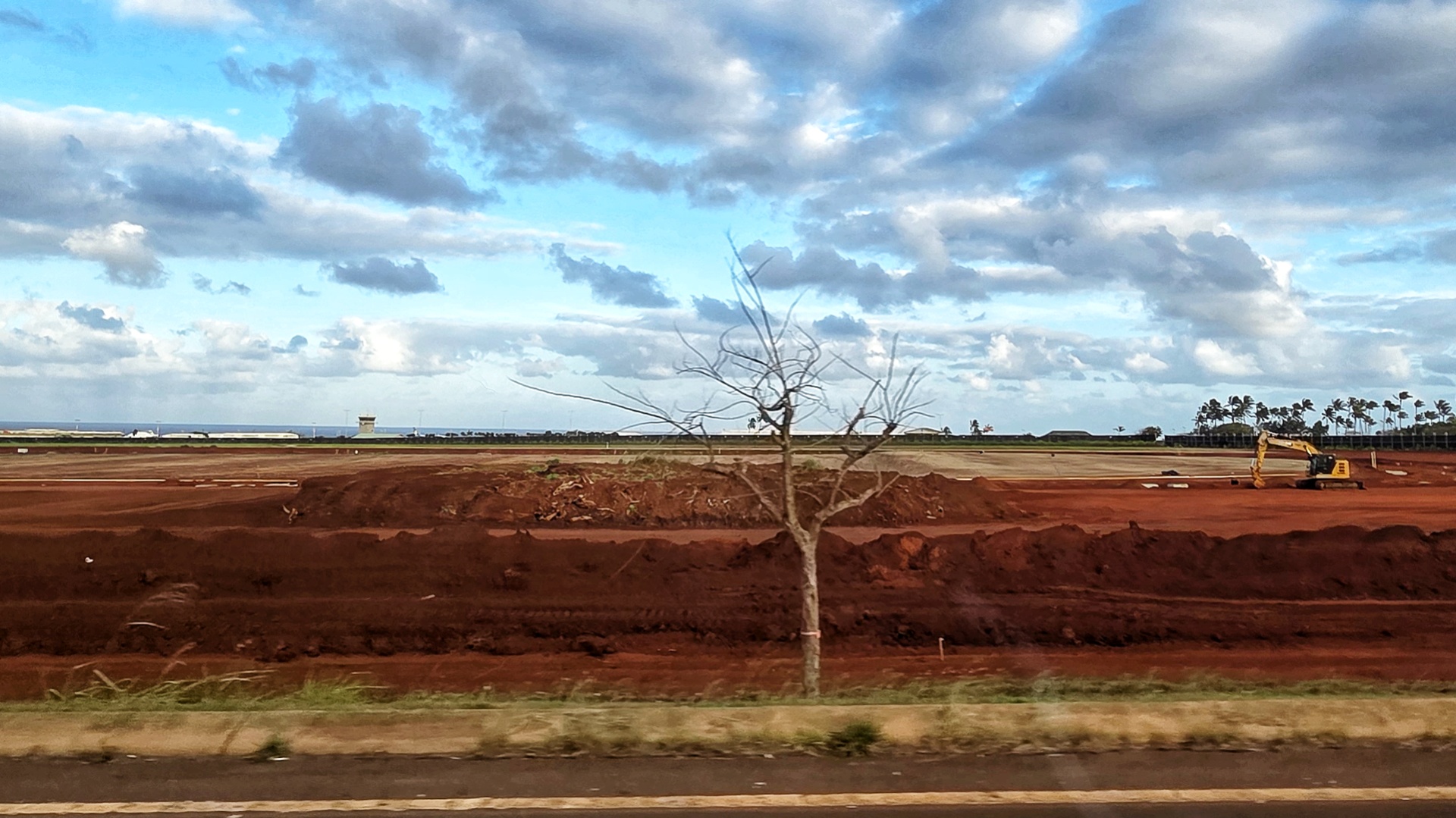
Photo Credit: © Beat of Hawaii at Kona Airport on Big Island.
Get Breaking Hawaii Travel News