
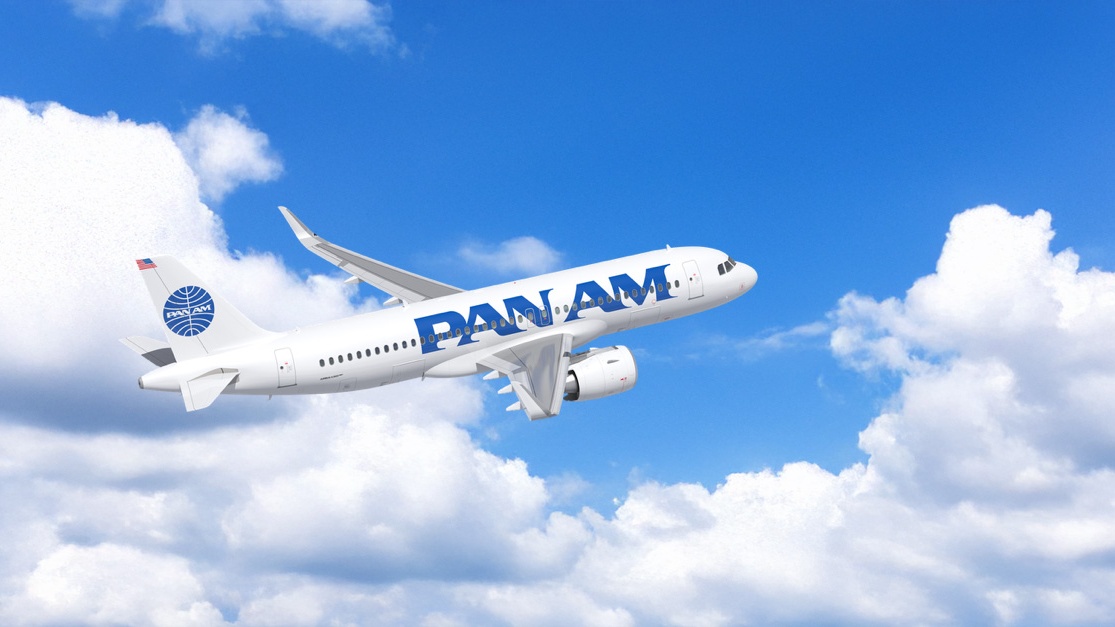
For more than three decades, reviving Pan Am has been Hawaii aviation’s favorite dead-end fantasy. The name reappears, excitement flares briefly, and then the effort collapses before a single ticket is ever sold. Hawaii travelers have seen this cycle repeat itself six times since Pan Am shut down in 1991, which is why most new announcements tied to the brand barely register anymore.
That changed this week. The latest Pan Am revival effort quietly crossed a line none of the previous attempts ever reached by signing on with the same reservation and airline technology platform used by major US airlines to distribute and sell flights today. This is the infrastructure real airlines put in place before they sell tickets, not just the window dressing of a rebrand exercise. And it raises a question that has lingered since we began covering this revival: is this finally a Pan Am comeback that has a chance of becoming real, and if so, where does Hawaii fit into it?
Pan Am signed a Letter of Agreement with Amadeus.
This action is significant. Amaeus is the global airline technology firm through which airlines, including American, Delta, and United, distribute and sell flights. The agreement covers core infrastructure that manages how flights are booked, how seats are sold and managed, and how Pan Am flights appear in search results and distribution systems used by travelers.
An airline cannot sell a single ticket without this backbone in place. None of the six previous Pan Am revival attempts ever reached this stage. Those efforts stalled at branding exercises, basic concepts, or vague announcements that never progressed to airline-level systems capable of supporting scheduled commercial service.
Leadership has also seen a meaningful change this time. CEO and co-founder Ed Wegel is not an outsider, as he worked at the original Pan Am as Director of Operations, overseeing the Pan Am Shuttle and Pan Am Express, and earlier had roles at Eastern Air Lines. This revival is headed by someone with direct experience inside the airline whose name is being revived, rather than by a purely financial or branding entity.
These mark the first time a Pan Am comeback attempt has moved beyond nostalgia and into the mechanics of building what was Hawaii’s favorite airline.
Where things stand with Pan Am.
Pan Am entered the FAA Part 121 certification process last year, which is the regulatory path to operating scheduled commercial airline service. The airline has said it plans to be headquartered in Miami once it receives regulatory approval.
In December, Wegel said the new Pan Am tentatively plans to operate Airbus A320neo aircraft. That aircraft does not have the range to fly from the West Coast to Hawaii, while the A321neo, a larger variant in the same Airbus family, does. The point is that no aircraft have been ordered or leased, and no routes, schedules, pricing, or launch dates have been announced yet.
There are still many unanswered questions. But the presence of certification work, an experienced leadership team, and real airline systems puts this effort in a different category from those that came before it. Based on the fleet plan described so far, however, Hawaii may or may not be part of any early route map depending on final aircraft choices.
Why Hawaii is still at the core of the conversation.
Pan Am’s connection to Hawaii is at the foundation of commercial aviation history across the Pacific. That legacy, and the emotional response it still generates among Hawaii travelers, is already long established and does not need to be retold here.
What is new is how that history collides with today’s world. In statements tied to the revival effort, Pan Am has said it is exploring “historically significant markets,” language that keeps putting Hawaii back into the core conversation. But the fleet plan as described thus far does not support early Hawaii routes.
Why this attempt feels different.
Reader response to our Pan Am coverage last year was unusually strong, and not because of blind nostalgia. The comments were personal and often emotional, yet grounded in experience. Many readers flew Pan Am to Hawaii, worked for the airline, or passed through Honolulu during its final decades. Just as importantly, many also voiced doubts that a modern revival could ever recreate what Pan Am once represented, especially under today’s economic realities.
Every prior attempt to revive Pan Am leaned on memory and branding, with the idea that the name alone could carry the airline forward. BOH readers made clear they are not looking for a logo on a tail. They are looking for proof that a new airline is actually being built.
This is where the current effort is different. Certification is underway. Airline-grade systems are being implemented. Leadership includes executives with direct operational ties to the original carrier rather than outside brand licensees. There are no guarantees of success, but previous revival attempts never reached these milestones.
Hawaii, for many readers, remains the key emotional benchmark. At the same time, the fleet plan described so far does not support Hawaii service early on, which reinforces a theme that surfaced repeatedly in the comments: belief in the brand has become conditional. If Pan Am returns, it will be judged not by its past, but by what it can do in the present.
If that day comes, would you actually choose a revived Pan Am for a Hawaii flight, or does the airline belong to a different era that can never return?
Image: Amadeus
Get Breaking Hawaii Travel News




Pan Am went bankrupt 35 years ago in 1991.
That former Pan Am employee working on today’s comeback must be of advanced age.
The Pan Am brand was built on luxury. Today’s passengers are driven by price.
I doubt if Pan Am’s niche is still viable in today’s market.
I love Pan Am’s history, but wouldn’t invest in it’s chances today.
It sounds like a pipe dream…