

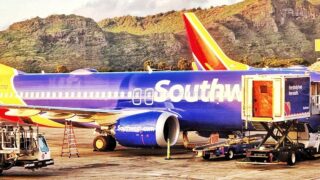
On May 9, 2025, a Southwest Airlines 737 MAX 8 landed in Las Vegas after a short flight from San Jose. But what happened next ties the situation directly to Hawaii flights. As the aircraft slowed on the runway, its brakes overheated and caught fire, destroying both left main landing gear tires before the plane stopped.
According to the FAA, the “aircraft landed and two main tires were destroyed by fire due to hot brakes.” Fire crews responded quickly, and no injuries were reported.
The aircraft, registration N8765Q, was grounded while repairs were made. Then, the incident quietly disappeared from public view, at least for most travelers. It was first reported to us by Aviation Herald.
What happened next and the Hawaii connection.
Days later, that same aircraft flew on to Honolulu. On May 12, it operated Southwest Flight WN3124 from Las Vegas to Hawaii. There was no announcement, advisory, or mention to the public that the plane had been involved in a fire and later received repairs to its damaged landing gear.
Flight tracking confirms it was the same jet. In this case, no explanation was offered about how the aircraft was returned to long-haul duty or cleared. While airlines often disclose when something unusual like this happens, they are not required to.
Here’s how it works:
The FAA requires airlines to maintain aircraft under strict maintenance programs and report certain incidents—like fires or diversions—to federal regulators such as the FAA and NTSB. But these reports are not shared with customers.
There is no rule requiring airlines to tell travelers if a plane was recently pulled from service, experienced a fire, or underwent major repairs, as long as it’s been cleared as airworthy. Unless the issue causes a delay or affects the current flight, customers/passengers are usually kept out of the loop.
While airlines may occasionally explain a major disruption, like an emergency landing or canceled flight, they rarely disclose past incidents once the aircraft is repaired. Most passengers have no way of knowing unless they actively search flight history, registration number, or industry reports.
Does this feels different for Hawaii flights?
Incidents like this might not raise eyebrows on short domestic routes. But Hawaii is different. These are long overwater flights with no diversion airports for thousands of miles. Passengers expect a higher disclosure standard, especially when something serious happens to the aircraft.
A brake fire isn’t a minor glitch. In this case, visible damage occurred. The plane was grounded. That’s the detail many travelers may want to know before settling in for six hours over the Pacific. Most Hawaii travelers don’t expect perfection. But when a plane catches fire and quietly flies them to the islands a few days later, many feel airlines should tell them more.
This isn’t the first time Southwest’s Hawaii operations have raised safety concerns.
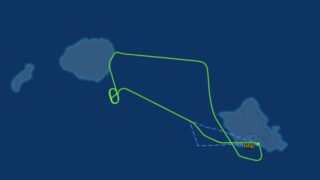
One flight nearly plunged into the ocean on approach to Kauai in stormy weather—a story we covered in Breaking: Terrifying Southwest Near-Ocean Kauai Plunge. Another had to turn back mid-ocean after experiencing a mechanical issue en route to Kona. In both cases, the silence from the airline added to passenger unease.
These events aren’t technically linked. But together, they paint a picture of flights being pushed hard and questions going unanswered—especially when Hawaii is the destination.
Could this have been prevented?
Brake fires, though rare, often result from excessive heat during or immediately after landing, typically caused by hard braking, high runway temperatures, or prolonged use of brakes. With its hot desert climate and heavy runway traffic, Las Vegas isn’t the easiest environment for cooling down wheels after touchdown, although there’s no indication of the cause.
In this case, we know that the main tires on the left were destroyed. That suggests an intense fire affecting the full gear assembly. Usually, this would indicate the need for deep inspection and a conservative return-to-service timeline.
Final thoughts – would you have wanted to know?
FAA regulations do not require airlines to notify customers after resolving a non-critical incident. Maintenance crews consider a plane good to go once it is repaired and cleared.
For most travelers, it’s about the right to know what they’re boarding. Hawaii flights add a layer of distance, risk, and trust that’s different from mainland hops. And when that trust is strained, people notice.
Should airlines be required to disclose incidents like this to customers? We’d like to hear your thoughts.
Get Breaking Hawaii Travel News



Good grief! Best safety record in the business! Southwest has had only one passenger fatality in its 54 year history and currently operates 3,000 plus flights a day. They also only use one type of aircraft, the American made Boeing 737. Do the math and you will have no problems flying Southwest. That many flights and one type of aircraft translates into the best trained pilots executing the most dangerous procedures (takeoffs and landings) more than any other airline.
Go work for Southwest and you will see just how lackluster and rushed their maintenance is. Smart people don’t fly that garbage airline
Glad to see other responders realize that things break sometimes and then they get fixed. If a cab driver gets into an accident and has to have his cab repaired, does he have to keep telling his potential passengers about it, maybe post a sign in the windshield???
How many flights are necessary to prove a plane is safe to where no customer advisory is needed? In the case of this particular plane, FlightAware shows that there were seven flights on this plane around the western US before it took off from LAS to HNL on May 12. That means that at least 14 times that the landing gear was tested. Airlines have hundreds of maintenance issues they deal with as a normal course of daily business, where any number of them could be a safety problem if left unresolved. The key is “unresolved.” Airlines will not launch a plane that is not flight worthy, and pilots are within their rights to refuse to fly if they do not believe a plane is safe to fly. So I would offer caution in suggesting notification on something that was resolved and proven fixed before even heading to HNL. I am not a pilot and do not work for an airline.
In other news, something that happens every so often happened and was treated exactly the same way it always has been, and in a legal manner.
For some reason an airline chose not to unduly scare their paying passengers regarding this issue that had been fixed.
Friends don’t let friends fly Southwest, ever
What was the documented and proven safety concern? It was taken out of service for a few days, repairs made, parts replaced, back in service. Isn’t that what happens if there’s a brake issue on a car, a fire engine, a UPS truck… you get the idea.