
You’ve probably already seen the headlines about Hawaii’s first electric passenger plane taking to the skies this week. That part is true, with one detail most of those stories skipped: the aircraft flying now is configured for cargo, not passengers. It is a passenger-capable airplane being tested on cargo runs first. What many of those stories spend less time explaining is how much more still has to happen before you, or we, can actually buy a ticket for a flight to Hawaii.
When we first wrote about Hawaii’s electric airplane plans in March, they were exactly that: plans. This week, that changed. A battery-powered aircraft is now making demonstration flights over Hawaii, turning years of announcements into something people can actually see in the sky.
That is an important milestone, but it is not the same as launching a new airline service. If you’ve read the headlines, you could easily come away thinking electric passenger flights are just around the corner. They aren’t, and that’s the distinction in this week’s demonstrations announcement.
One important milestone just happened.
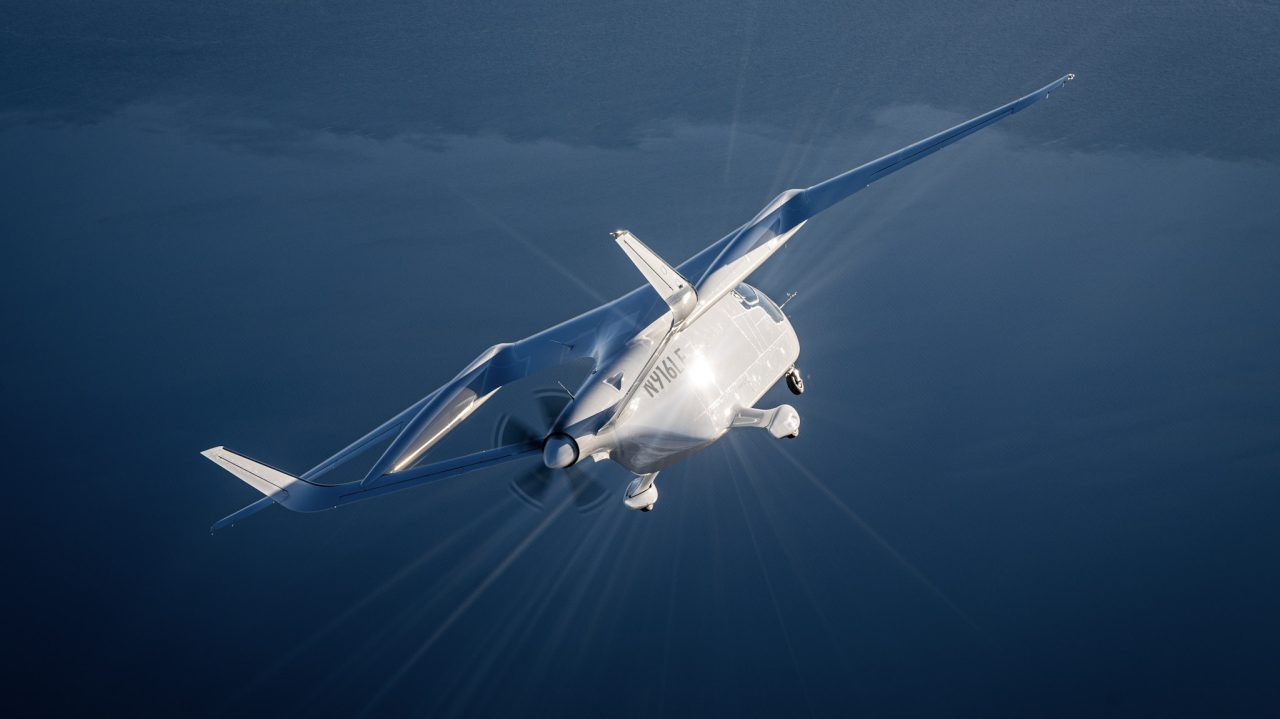
The Beta Alia CX300 began a six-to-eight-week demonstration program on June 25, flying routes around Hawaii to evaluate how an all-electric aircraft performs in real island conditions.
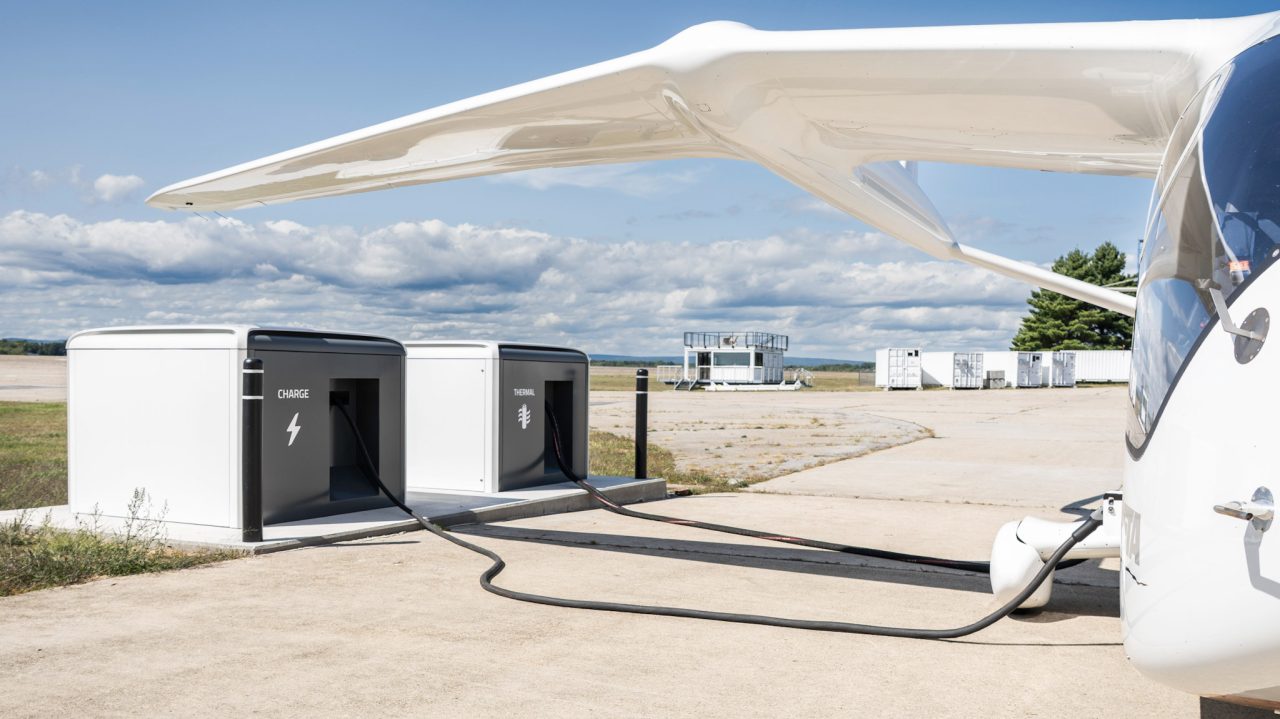
These flights are designed to collect data on battery performance, maintenance requirements, charging infrastructure, operating costs, pilot training, and day-to-day operations. Those are exactly the kinds of questions airlines and regulators need answered before anyone begins carrying paying passengers. With this week’s developments, Hawaii is no longer talking about electric aviation; it’s testing it.
What became real this week starts with the plane.
The aircraft itself is real. Beta says the Alia family has accumulated more than 135,000 nautical miles of flying and has demonstrated flights exceeding the distances needed for Hawaii’s interisland routes. The airplane’s approximately 300-mile range easily exceeds Mokulele Airlines’ average flight length of just over 50 miles.
The demonstrations are also happening in one of the toughest places to prove the concept. Hawaii depends on abundant short regional flights every day.
What is still years away is FAA certification.
Today’s flights are demonstrations, not commercial service. The aircraft still must complete FAA certification before it can enter commercial airline operations, and the current flights are entirely experimental. The aircraft flying now can be tested but not used for commercial passenger flights.
Current expectations point toward early 2027, assuming certification proceeds as planned. Even after that, the initial focus is expected to be cargo operations before any scheduled passenger flights.
That means commercial passenger service will still be measured in years, not months. The demonstrations also have another purpose. They are also meant to determine whether the economics actually work outside carefully managed test flights. Airlines need to know how the batteries will perform over time, how quickly aircraft can be turned around, what maintenance costs are like, and whether the overall operating model makes good business sense in the islands.
Even the companies are careful about their promises.
Mokulele sees the technology as one possible way to help manage future operating costs amid ongoing inflation. That is entirely different from promising lower airfares, and it is worth noting the distinction from when Hawaii Seaglider Initiative was first proposing $30 interisland airfares.
Hawaiian Airlines issued a similarly cautious tone, saying the aircraft is not suitable for the size of Hawaiian’s current fleet, while adding that the airline expects to learn from the demonstrations as electric aviation continues to develop.
The Alia CX300 seats just five passengers, roughly half the capacity of the Cessna Grand Caravans Mokulele flies today. An airplane that carries fewer passengers per trip has to clear a different threshold before it can replace rather than supplement the current fleet, and that economic question is one of the central things these flights are intended to test.
Nothing here diminishes the importance of the project. If anything, they make it more credible. The companies involved are treating these flights as opportunities to gather evidence rather than declaring victory before the work is done.
Hawaii has heard many big transportation promises before.
That doesn’t mean electric aviation won’t succeed. It does mean Hawaii travelers have reason to separate today’s accomplishment from the real possibilities for tomorrow’s transportation needs.
Residents have watched ambitious transportation projects arrive with big expectations before. The REGENT seaglider, an electric craft pitched to carry passengers between the islands over the water, drew similar excitement and remains uncertified, with no production aircraft in service. That in itself isn’t a reason to dismiss electric airplanes. But it’s a reason to judge them as much by what is flying today as by what is promised for later.
This demonstration in particular deserves attention because an actual airplane is flying, not because anyone should expect to book anytime soon. If the technology proves itself, Hawaii could still become one of the world’s most important markets for short-haul electric aviation. If it doesn’t, this six-to-eight-week demonstration will still provide valuable answers about what works and what still needs to be solved.
The real Hawaii takeaway.
The biggest news this week isn’t that electric interisland passenger service has arrived. It hasn’t. The news is that, for the first time, Hawaii has moved beyond computer renderings, press releases, and purchase agreements. There is now a real airplane flying over the islands, gathering the information needed to understand how electric aviation will eventually become part of Hawaii’s transportation future.
Next, certification, cargo operations, infrastructure, economics, and passenger service all remain to be worked through before most travelers will ever have the chance to board one.
What do you think? Is this exactly the kind of long-term investment Hawaii should be making, or do you think electric interisland flying is still too far off to be real for travelers today?
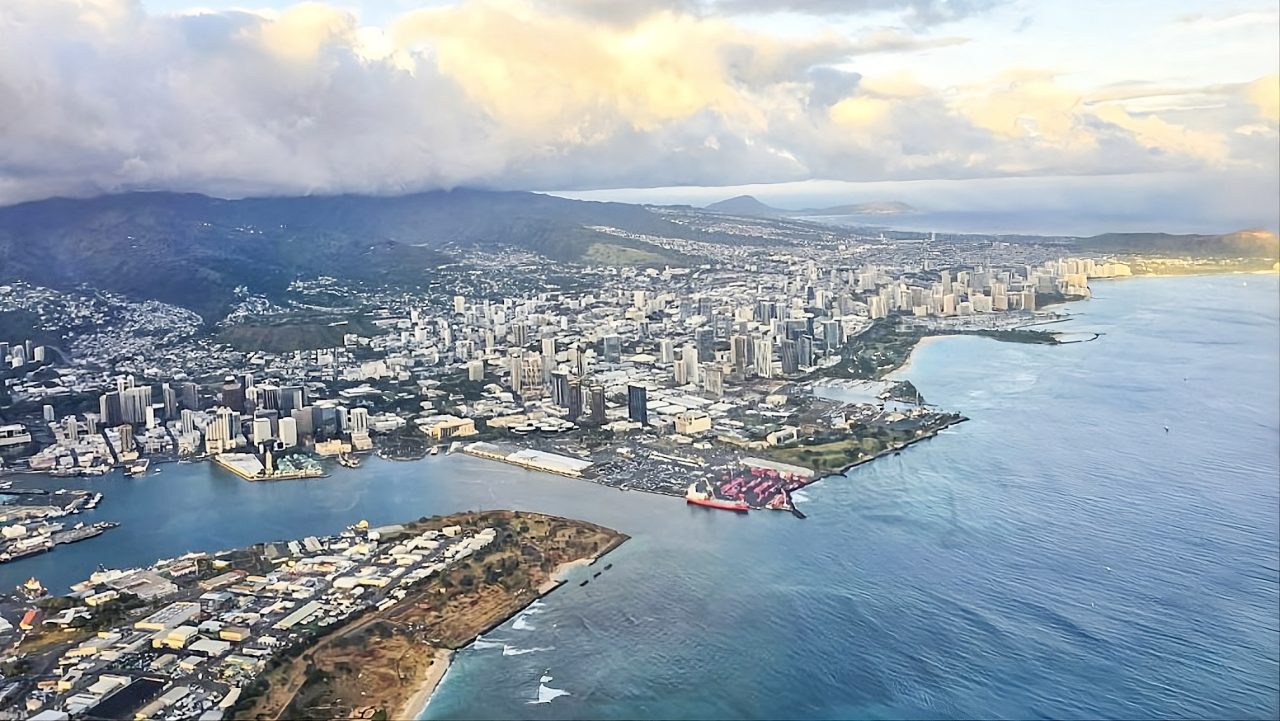
Lead Photo Credit: © Beat of Hawaii over Honolulu. Aircraft photos courtesy of Beta Technologies.
By Rob and Jeff, Beat of Hawaii.
We’ll continue following the milestones as they happen. If you enjoy staying ahead of changes at Hawaiian Airlines, join us. We track interisland service, fare trends, aircraft developments, and the changes that affect Hawaii travel long before most travelers hear about them.
Get Breaking Hawaii Travel News






I’m a bit of an airplane nerd so I decided to check out the history on this particular aircraft. Its registration N401NZ.
It first flew almost a year ago in upstate NY. After flying around the headquarters, it went across the US mainland in September and October. In November it went to New Zealand. It flew around there until March. It spent April and May in Southern Japan.
It did a loop outside Hilo on June 18th for half an hour. 3 hours later it flew to Kalua Kona. Interestingly, it followed the coastline instead of taking the saddle. Apparently the max altitude is 7,000 feet, too close for the saddle. The next day it flew to Kahului in the morning, then to Honolulu in the afternoon.
After doing several days of looping off the airport, it started taking two to three daily flights between Honolulu and Molokai or Lanai on the 27th of June.
Love it!! Next let’s have electric tugboats pulling our barges!