
Hawaii remains a dream destination, with traveler interest at its highest level in years. But for many, the dream is slipping out of reach as soaring costs take center stage. Airfare, hotels, and vacation packages are pushing visitors to question whether paradise is still worth the splurge.
The survey below indicates that 69 percent of U.S. leisure travelers plan to visit Hawaii within the next two years. Optimism is also rising, with more visitors feeling optimistic about their own futures and travel outlook compared with the past two years.
Crowding in popular areas and the feeling of being herded through rules and restrictions only add to the frustration, especially when visitors compare Hawaii to places that feel more relaxed and straightforward.
With nearly four in ten prospective travelers saying they changed their minds about Hawaii trips because of costs, the islands face a growing problem. If prices continue to rise faster than the value, Hawaii risks losing the very visitors who have sustained its economy for decades.
Airfare and hotel sticker shock comes first.
The most common reason people back away from a trip to Hawaii is still airfare. Nearly 40 percent cite ticket prices as the breaking point, with hotels and packages close behind. These deterrents remain unchanged for years, but they matter more now because interest in Hawaii is surging at the same time. Beyond price, travelers also mention the flights themselves. Long hours in crowded cabins with pared-down service and extra fees leave many arriving tired and frustrated.
On top of prices, travelers point to the flights themselves. Long hours in crowded cabins with cut-back service and extra fees leave many arriving worn out instead of excited.
This is not a new complaint. For years, readers have told us that Hawaii feels more expensive than competitors like Mexico or the Caribbean, where shorter flights and lower hotel rates make the total trip cost far more palatable. The longer Hawaii leans on higher fares and resort fees without adding value, the more visitors see better deals elsewhere.
Have rising prices changed how often you visit Hawaii? Share your experience below.
Spending stays high, but value feels low.
Despite cost concerns and economic uncertainty, likely Hawaii visitors still plan to spend an average of $6,500 on leisure travel in the next year, nearly $2,000 more than the typical U.S. traveler. On the surface, that sounds like good news. But look closer and it reveals a troubling contradiction.
Travelers are willing to splurge, but only if they feel the experience is worth it. Increasingly, Hawaii trips feel less like paradise and more like a pricey to-do list. Paying for parking, booking entry times, and navigating a maze of fees has replaced the sense of aloha many long associated with the islands. For some, what once felt like a warm welcome now feels more like a cold transaction.
Readers said the same in Hawaii Got the Slowdown It Asked For. Now It’s Running Scared, where the joy of discovery gave way to a sense of hassle. That frustration is now showing up in national data.
Families and multigenerational groups drive demand.
The survey reveals that more than half of Hawaii’s likely visitors plan to travel with children under 18 this year, and 42 percent will bring together three or more generations. Kids and grandparents are not only along for the ride, they are helping plan activities and even choose destinations.
That makes family-friendly dining, lodging, and activities more critical than ever. It also means cost pressures hit harder, since larger groups feel every fee and every surcharge. Yet families still come, framing Hawaii as the place to gather for milestones, reunions, and once-in-a-lifetime experiences.
Do you plan Hawaii vacations with kids or grandparents? What works best for your group?
Authenticity and connection remain essential.
Even with cost pressures, visitors say that their top motivators remain Hawaii’s scenery and food. Cultural connection and authenticity also rank high, with nearly half of travelers saying they want destinations that showcase local communities.
This is consistent with the frustration voiced in New Hawaii Fees Starting in 2026 | The Price of Paradise?, where readers warned that charging more without delivering a connection risks alienating repeat visitors. Hawaii cannot afford to be seen as just another expensive beach destination.
Road trips and flexibility matter.
Road trips are booming nationwide, with 78 percent of likely Hawaii visitors planning one in the next year. Obviously, you cannot drive to the islands, but the underlying desire is flexibility and spontaneity.
Hawaii could tap into that by making interisland travel simpler and encouraging visitors to explore beyond a single resort corridor. The problem today is that many say spontaneity has been replaced by reservations and rules, leaving trips feeling managed rather than free.
Luxury travelers are still willing to pay.
More than half of likely Hawaii travelers now identify as luxury travelers. They are willing to spend on suites, fine dining, and business-class flights, but they also expect seamless value in return. Hawaii has a chance to hold onto this lucrative group if it delivers experiences that feel premium rather than transactional.
Hawaii has an opportunity here. If luxury visitors continue to feel nickel-and-dimed, they will take their spending power to other upscale destinations, such as California, Florida, or Europe. Delivering premium value could help Hawaii retain this critical segment.
Travel planning is changing fast.
Another trend reshaping visitor behavior is the increasing use of technology. Nearly two-thirds of likely Hawaii travelers now use AI tools to help plan their trips, far higher than the national average. That does not mean they are booking with AI alone, but it does mean their expectations are shifting toward smarter, more personalized planning.
Hawaii can tap into this trend by making its information more accessible, transparent, and easy to integrate into the planning process. At the very least, it shows that visitors are looking for trips that feel curated and tailored, not cookie-cutter.
Competitor destinations keep pressure high.
Hawaii is not competing in a vacuum.
California and Florida remain Hawaii’s biggest rivals, with beaches, sunshine, and more predictable costs. Nearly half of the likely Hawaii travelers have visited both states in the past three years. Europe is also seeing repeat visitation grow alongside Hawaii, showing that long-haul travelers are weighing the islands against global destinations as much as domestic ones.
Other destinations are leaning into value, flexibility, and variety. Visitors say Florida or Mexico may not offer Hawaii’s beauty, but they often feel less crowded and less transactional. Hawaii risks falling behind if it relies too heavily on natural beauty without fixing those irritants.
Do you compare Hawaii trips with other iconic destinations before booking? What ultimately tips the scale for you?
Why travelers feel stuck.
So why do visitors keep spending even while complaining more loudly? The answer is simple: Hawaii remains unique, but patience is growing thin. Travelers are willing to spend $400 a night for a hotel in Waikiki or Maui if they feel the aloha spirit in the service and amenities. They resist when the same $400 feels like nickel-and-diming, or when the crowds and hassles make the trip feel less like an escape and more like work.
This contradiction explains why numerous articles about costs, loyalty shifts, and shrinking options have resonated with Beat of Hawaii readers. People love the islands but dislike feeling trapped in a cycle of rising prices with diminishing returns.
What this means for Hawaii tourism.
The stakes are clear. Hawaii is at risk of becoming a once-only destination, appealing for bucket lists but losing repeat visitors who are the backbone of sustainable tourism. If costs continue to rise while hassles mount, the state risks losing long-loyal travelers to other destinations.
The picture is not all bleak. Interest in Hawaii is at its highest since 2023, and more travelers feel optimistic about travel than they have in years. Families continue to view Hawaii as the ultimate gathering place, and luxury visitors remain eager to spend. People want to come. The risk is that Hawaii could talk them out of it with prices, hassles, and rules just as momentum returns.
What could Hawaii do?
- First, align pricing with value. Visitors are not asking for cheap trips, but they want costs to feel fair and experiences to feel rewarding.
- Second, make family travel easier with transparent pricing, bundled options, and activities that cater to all generations.
- Third, restore the sense of aloha that visitors say has faded, replacing transactional service with genuine connection.
- Fourth, lean into authenticity by ensuring cultural and community connections are accessible, not hidden behind more fees.
- Fifth, address airline discomfort, since visitors say long, crowded flights with fewer amenities and mounting charges sour the trip before it even begins.
- Finally, create more opportunities for flexibility and discovery, whether through easier interisland travel or packages that encourage exploring beyond Waikiki.
What do you think? Are Hawaii’s rising costs changing your travel plans, or do you still see the islands as worth the splurge? Share your thoughts and help other travelers decide.
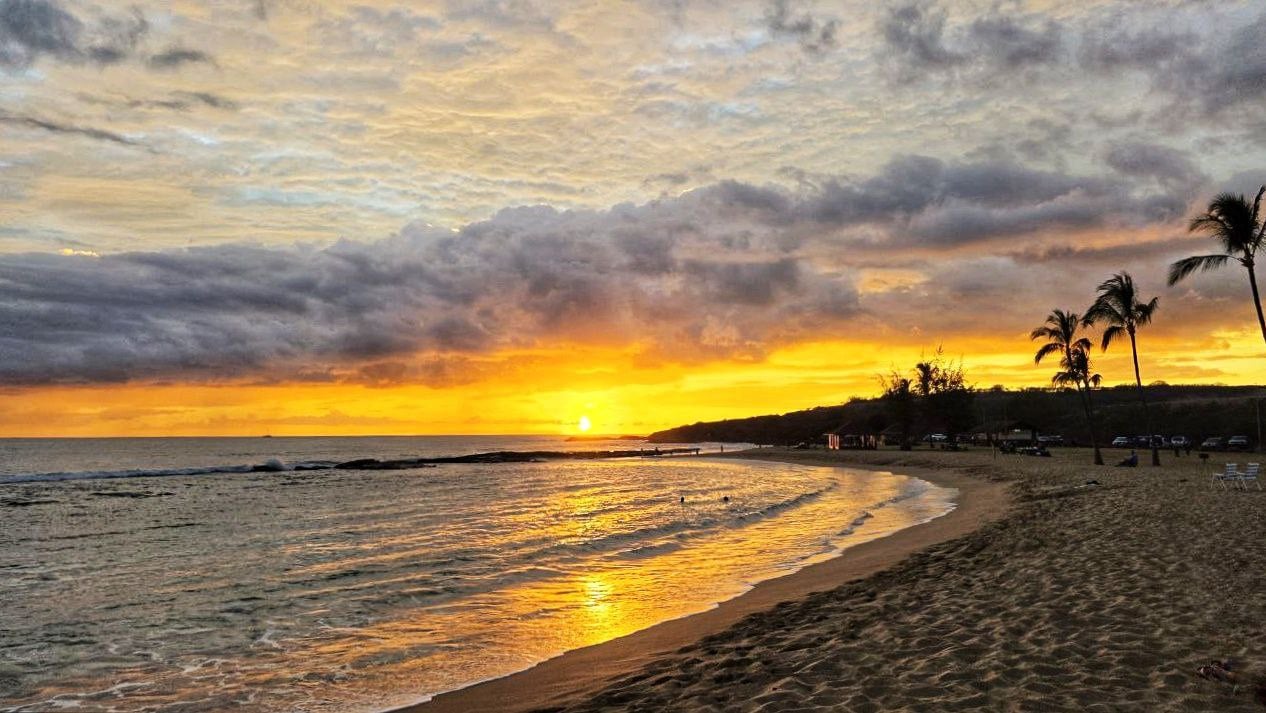
Photo Credit: Beat of Hawaii at Salt Pond Beach, Kauai, at sunset.
Get Breaking Hawaii Travel News




I commute to Hawaii from Buffalo New York since 2003 . Took a one way trip to hnl on Delta, this trip on a large plane reminded me of how Hawaiian Airlines used to be! They provided a delicious chicken with mushroom meal and large comfortable seats! Bathrooms were plentiful and staff was pleasant and efficient . Passengers were all friendly and excited! I’m hooked again !