

Something bigger is happening across the West Coast with Hawaiian and Alaska Airlines. What may look like a simple terminal shuffle is part of a broader realignment quietly reshaping how travelers get to and from Hawaii. Behind the scenes, airline operations are shifting, merging, consolidating, and redrawing the map of Hawaii-bound travel.
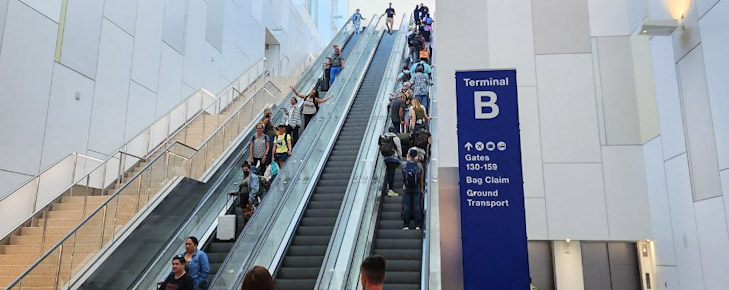
One of the latest changes hits San Jose Mineta International Airport this week. Hawaiian Airlines is moving from Terminal A to Terminal B, where Alaska is located. The shift may surprise travelers used to the old setup, especially during an already crowded summer season.
What exactly is changing.
According to the San Jose Airport and Hawaiian Airlines, all Hawaiian departures will shift to Terminal B starting June 18, 2025. That includes check-in, bag drop, TSA screening, and gate boarding. Terminal A will no longer be part of Hawaiian’s operations.
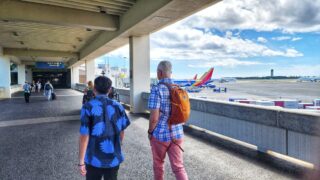
Passengers can walk between the terminals without exiting the secure area via a hallway between Gate 16 (Terminal A) and Gate 17 (Terminal B). Depending on luggage and traffic, walking time ranges from 10 to 15 minutes.
A free shuttle runs between the terminals, the rental car center, and the economy lot. It departs every 7 to 10 minutes, 24/7, and is wheelchair-accessible.
What travelers need to watch for.
The biggest challenge may be habit. Frequent flyers to Hawaii from San Jose often default to Terminal A, where Hawaiian has operated for years.
Travelers using third-party booking platforms may not get any notice about the change. Unless you booked directly with Hawaiian or opted into airline alerts, don’t count on getting updated before you reach the airport.

A coordinated coast-to-coast terminal shift.
This San Jose change is just the latest in a coordinated rollout quietly reshaping Hawaiian Airlines’ operations across the U.S. mainland as part of Alaska Airlines.
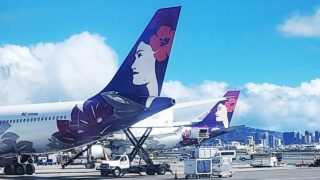
In Los Angeles, Hawaiian relocated into Terminal 6 alongside Alaska Airlines, a move we covered in this report on the LAX terminal shift.
In San Francisco, the two airlines began sharing gates and check-in areas, as detailed in our coverage of the San Francisco integration.
Seattle and JFK have seen similar shifts, with more joint operations and shared facilities coming online. Our overview of the broader mainland consolidation breaks down how this strategy is unfolding coast to coast.
These aren’t cosmetic updates. They suggest the long-term integration implementation is already well underway. Shared staff, branding alignment, and joint use of airport space point toward full operational integration, whether or not branding disappears entirely. For travelers, this means familiar airports may start functioning very differently, even on the same route.
What’s next for Honolulu.
While major changes are already visible at mainland airports, Honolulu is still in the early stages. Alaska and Hawaiian have publicly discussed shared lounge facilities and terminal updates, with plans to eventually unify services in Terminal 1’s Mauka Concourse at HNL. Construction has not yet started, and no formal timeline has been announced.
Based on internal planning signals and industry chatter, the most realistic completion window appears to be sometime in 2027. When it opens, the new shared lounge at Honolulu could become the flagship space for elite and premium travelers flying either brand.
For now, operations at HNL remain unchanged. However, for frequent Hawaii flyers, this upcoming shift will likely become the most visible sign that the merger is not just a business deal—it’s a physical restructuring of the Hawaii travel experience, terminal by terminal.
What you should do now.
Double-check your terminal if you’re flying from San Jose to Hawaii after June 18. Even seasoned travelers might instinctively head to Terminal A, and that’s the wrong move. Hawaiian’s app and website show the new location, but third-party bookings might still reflect outdated information.
Connections between Hawaiian and Alaska will now happen inside Terminal B—but that doesn’t mean they’ll be close. Some gates are a ten-minute walk apart, and not every route is straightforward. Leave yourself extra time, especially if your itinerary is tight.
Loyalty perks and lounge access could also shift in the months ahead. If you have elite status with only one airline, your benefits might not carry over cleanly. The merger is still in motion, but small access changes often appear before big announcements.
And if your mileage accounts aren’t linked or your frequent flyer preferences haven’t been reviewed since the merger news, this is the moment to fix that. You won’t always get a heads-up when changes hit.
The bigger shift is already here.
This isn’t just about San Jose. What’s happening there is part of something much bigger and already in motion. The Alaska-Hawaiian deal may still be under regulatory review, but on the ground, it’s moving ahead—airport by airport.
For now, the signs are subtle. New terminals. Different staff uniforms. Joint check-in desks. But those surface-level changes are leading somewhere. If you fly to Hawaii often, you’ll start to feel it. The old separation between airlines is fading fast, and the experience is being reworked in real time—whether anyone’s officially said so or not.
Get Breaking Hawaii Travel News

An observation. At LAX Terminal 6 where HA has relocated to and speaking with a few of the HA employees – they say that being in T6 is a dream compared to the split terminal operations they had to deal with.
One HA employee said that not one passenger has complained (to her) about the relocation – other than some not knowing that HA has moved.
As a 100K who has access to the AS Board Room/Lounges – in the mornings I’ve noticed a definite increase in bodies at the LAX small-ish club room – probably because of the first morning widebody flights: HA 787 to HNL and HA A330 to OGG. Those passengers flying on paid first class/award tickets now have free access to the club.
The “world famous” AS pancake machine is busy!
Hearing rumors that LGB service will continue, but with tag flights to/from SEA which AS dropped years ago…remember Jet America? If true, where is AS getting the slots from?
We just returned from a week in Oregon. We flew over on Hawaiian and back on Alaska, both non-stop from Maui. The Hawaiian plane was new, clean and modern. The Alaska plane was old, shabby, and needed a face-lift. Hawaiian provided their “hot pocket” style meal, while Alaska provided a small bag of pretzels.
I hope Hawaiian is not headed towards what we experienced on Alaska.
As I commented in the previous article, once the FAA approves the Single Operating Certificate everything becomes Alaska. You will see many changes at Hawaiian to integrate Alaska’s policies and procedures. The ticketing platform will change back to Sabre instead of the widely hated Amadeus. Uniforms for all staff will change. The Alaska logo will be added everywhere the Hawaiian logo currently is. In-flight service and meals will also being modified. Wait and see what is to be.
Did you know Alaska has a great buy on board selection that is much better than the hot pocket on HA.
Unfortunately the key word in your comment is “buy.” That is one major change that Alaska will be soon doing to in-flight service. No more “free” food (the “hot pocket”) will be offered and served in the coach cabin. The Pau Hana Snack Cart, along with coffee, tea, soda, and water service may also be adjusted or eliminated. What was an award-winning hospitality full of the Aloha spirit provided by an award-winning local airline will soon be no more. Bust out your credit card (again!) or bring your own food and drinks onboard will be the norm for flying on Alaska.