
Visitor spending in Hawaii rose to $21.75 billion in the state’s final 2025 numbers, even as total arrivals fell below 9.65 million. Fewer people came, more money was taken in, and that contrast tells the story.
According to the state’s press release covering final 2025 data and December’s snapshot, arrivals fell 0.6% for the year while spending rose 5.7%. That gap is largely about one thing. Daily costs climbed while trips got shorter. People paid more per day, then left sooner to make the cost work.
Average daily spending rose to $259.80 for the year, up 6.7%. December sharpened the picture further. Arrivals were down 4.3%, daily spending jumped 11% to $273, and the average stay slipped to 8.92 days from 9.14. The meter is running harder, but not longer.
The basics got more expensive. But nothing else changed.
The $21.75 billion headline hides the source of the growth. The state’s own breakdown shows the biggest spending increases were in lodging, food and beverage, and transportation. Those are not splurges. They represent the cost of sleeping, eating, and getting to and around Hawaii.
Visitors are not suddenly booking more tours or filling shopping bags. They are paying more to eat, more for rent, and more for airfare and rental cars. That is why daily spending rose even as stays continue to shorten.
The travelers most affected by the shift are those who used to make Hawaii work over the long haul. Families who stretched trips to ten days or longer. Repeat visitors who split time between multiple islands. And price-conscious travelers who returned year after year because the numbers still worked out. As the costs continue to rise, those trips are shorter, stop happening entirely, and those travelers start looking elsewhere.
Mainland visitors paid more and stayed for shorter periods.
The sharpest spending jumps came from mainland travelers. In December, U.S. East Coast daily spending jumped 18.3% to $308 per person per day. West Coast daily spending rose 14.5% to $266. Neither group vacationed longer. They paid more for shorter stays.
Canada shows what happens next. A market built around long stays and affordable airfares fell 11.6% for the year and 14% in December. That is the clearest example of a key visitor base squeezed out, and international arrivals overall followed the same course. Some of that decline is also attributed to international visitors choosing not to come to the United States.
Oahu took the hit while Maui improved.
Nowhere did the shift show up more clearly than on Oahu. December arrivals fell 7.7%, and the average daily census dropped 13.6%. Fewer people were on the island at any given time, even as spending totals rose.
For the full year, Oahu saw 5,679,047 visitors, down a minor 2%, while spending climbed 5.3% to $9.42 billion. Daily spending averaged $238. There is contraction throughout, largely disguised by higher prices.
Maui moved in the other direction. Arrivals rose 7% for the year, spending jumped 12.7%, and daily spending hit $305. Maui did more than just recover; it reset the price of island entry. Kauai and the Big Island held closer to flat in terms of spending, with daily costs climbing to $281 and $245, respectively.
Shorter trips tell you everything.
Length of stay is where this finally makes sense. Hawaii has always relied on time. Long visits softened the impact on airfare costs, helped justify higher nightly rates, and kept repeat visitors coming back.
Now, stays are getting shorter while daily costs continue to climb. We regularly see visitors doing one big Costco run at the beginning of their trip, instead of two spread out. More nice dinners out are turning into plate lunches, food trucks, and grocery poke. We notice it walking on beaches that seem to clear out earlier in the day, as people pack for a redeye departure that maximizes Hawaii vacation time. Overall, it shows up as paying more to be here for less time.
The shift is no longer something travelers just sense when they price a trip or trim a stay. It is official, itemized, and totaled by the state at $21.75 billion. Visitor spending in Hawaii rose to $21.75 billion in the latest complete 2025 numbers, even as total arrivals fell below 9.65 million. Fewer people came, more money was taken in, and that contrast tells the story.
According to the state’s January 29 release covering final 2025 data and December’s snapshot, arrivals fell 0.6% for the year while spending rose 5.7%. That gap is largely about one thing. Daily costs climbed while trips got shorter. People paid more per day, then left sooner to make the cost work. This is not a rebound story by any stretch.
Average daily spending rose to $259.80 for the year, up 6.7%. December sharpened the picture further. Arrivals were down 4.3%, daily spending jumped 11% to $273, and the average stay slipped to 8.92 days from 9.14. The meter is running harder, but not longer.
The shift is no longer something travelers just sense when they price a trip or trim a stay. It is official, itemized, and totaled by the state at $21.75 billion. Not a rebound story, it leaves little doubt about who is still in and who is not.
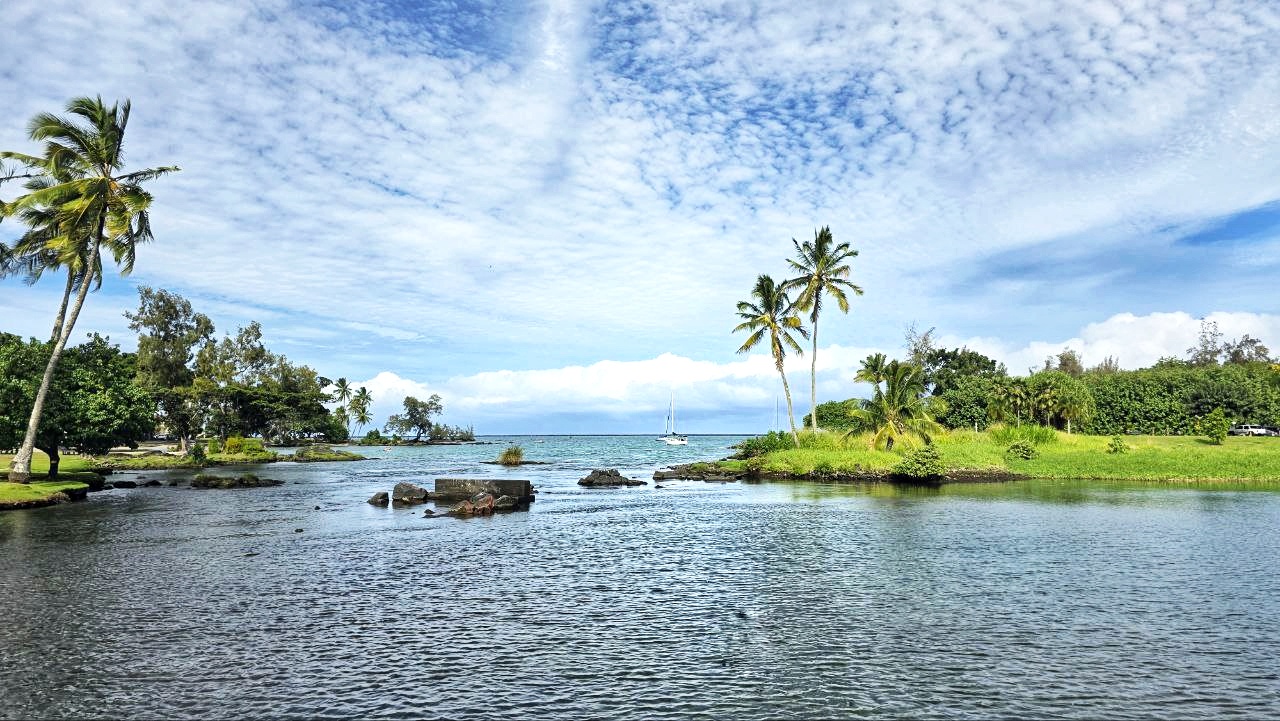
Photo Credit: © Beat of Hawaii at Lili’uokalani Gardens in Hilo.
Get Breaking Hawaii Travel News




I don’t recall you explaining how the State calculates these numbers. How does the state determine or separate locals spending at restaurants vs tourists? Locals staying at hotels vs tourists? Locals going to attractions vs tourists? While it’s probably not a significant percentage I’m curious what assumptions the State.
This seems to be a trend in other industries as well. A couple of local California Central Coast golf courses which are nice, though not Pebble Beach, have substantially increased green fees. They are attracting tourist golfers and have boosted revenues, while spending less on maintenance. The local, lower income golfers have been squeezed out.
Please, please, please use inflation adjusted numbers when writing about daily spending. The Garden Island newspaper has been guilty for years of having anyone with a keyboard write this type of article without a clue about what the true numbers are because they don’t adjust as they should.
One reason daily rates for accommodations have increased is that booking companies of all types have discovered that they can charge almost any amount for the “booking fee” and short term renters pay a little more while those that rent for long term, like us, get hit with a huge bill. Thanks to VRBO and others our booking fee this years was nearly $1,000 and 3 years ago it was $50.
I recently read an article on this very subject in the Garden Island, and they used the current dollar figure because the inflation adjusted numbers weren’t available yet. They did state that when the adjusted numbers are available, the spending amounts would probably be lower.
Hello! It is disheartening to see how much the rise in costs is affecting travel to Hawaii. I also think though that the controversy in whether or not the people who live there want visitors is hurting the number of visitors. I have been to Oahu twice, and Maui once. I respect the land and the people each time and have never felt the unwelcoming feeling that some people feel, I hope that continues to be my experience. We are planning to visit Kauai this year but keep waiting on an update for Coco Palms which seems to be hard to find. Do you have any news on it?
As always, thanks so much for everything that you do and keeping us mainlanders informed!
Aloha Jaime,
I, too, am always interested in any news about Coco Palms. My family and I stayed there many times. The days of Larry Rivera and
the fabulous hula shows! I really miss the private tour by Bob Jasper long after the Palms closed due to hurricane Inki. What a special hotel with beautiful Hawiian grounds and wonderful people. Mahalo Coco Palms.
I would have loved to have stayed there during the original days! It looks so beautiful in the movie Blue Hawaii and my hope is that when/if they ever really do restore it, they will restore it to look like it did then. My fear is that they won’t restore it at all since it’s been such an on again off again thing and there’s no new news that I can find on it.
More money was taken in? Who was the main beneficiary of the money? Was it the working middle class?
The U. S. Inflation rate was 2.6% in 2025.
Forecasts from UHERO and DBEDT projected that inflation would peak around 3.5% to 3.8% in 2025.
So most of the gain is from inflation.
I guess it’s nice, but not necessarily comforting, to see in black and white that what people have been feeling is really true. Now I guess the challenge will be to see how low they can drive visitor numbers before it hurts rising revenue. The elusive sweet spot.
It is exactly what Green and his Admin. wanted. Fewer Visitors and more money. Push people into “resorts” and away from the locals. So what can the average business person do, they will get cut out. Think back to Covid. If the plan is to get away from just being a tourist destination, they need to come up with some kind of income other than working for the government that is sustainable.