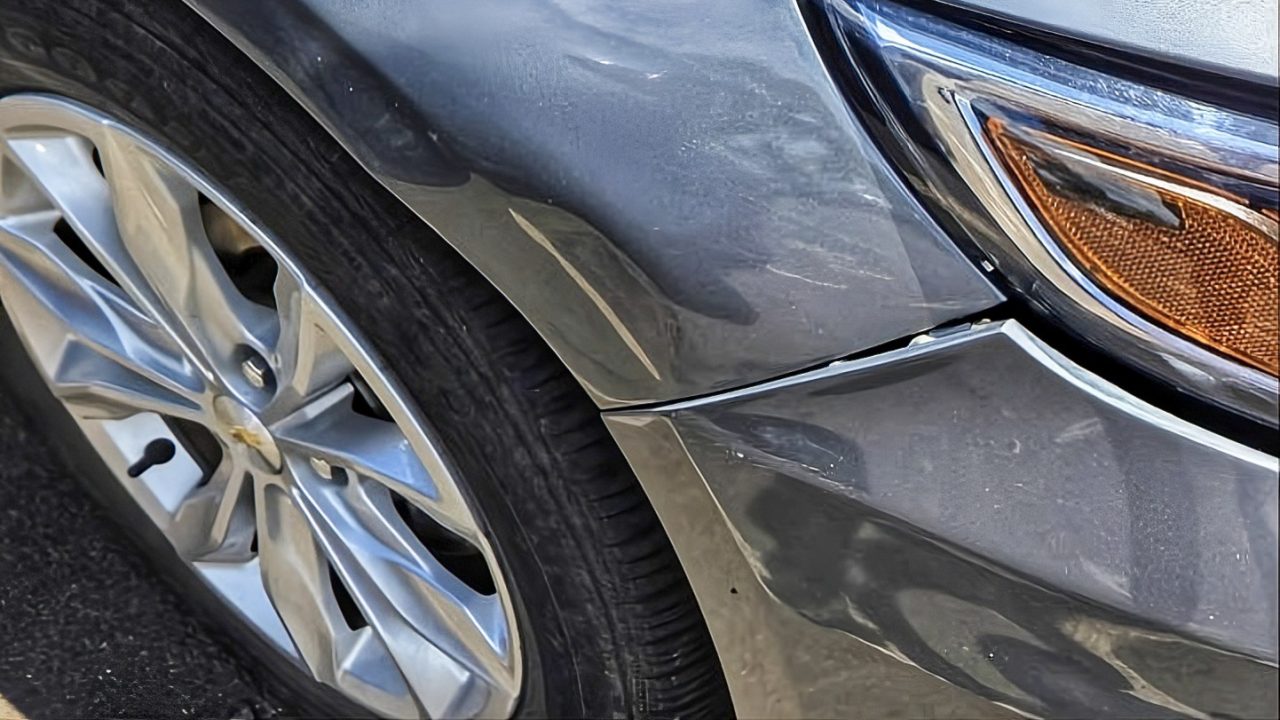
Greg, one of our commenters on Beat of Hawaii, was returning a Budget rental car on Maui after the air conditioning stopped working. Instead of simply exchanging the vehicle, an employee confronted him and pointed out a scratch. Two months after returning home, he received a packet demanding nearly $3,000 for scratches, dents, loss of use, and administrative fees. He challenged the bill and says he never heard anything further. These days, his wife takes a complete video of every rental car before they drive away.
Greg’s experience didn’t involve one of the new AI scanners, but it illustrates why the new technology has some Hawaii visitors so concerned. As we reported in September, Hertz, Dollar, and Thrifty are now using AI damage scanners at all of Hawaii’s airports. Cars can be checked for damage as renters return them, with automated comparisons potentially generating claims after they’ve already headed for their flights.
For travelers worried about a surprise bill, paying extra for the rental company’s damage waiver can suddenly seem a lot more appealing. But several Beat of Hawaii readers have been discussing another way to protect themselves: using a credit card benefit that costs about $25 for the entire rental instead of paying an additional $35 or more every day. We decided to try it ourselves.
The $350 decision at the Hawaii rental counter.
Enterprise currently lists its optional damage waiver at Kahului Airport for $34.99 per day. That’s $349.90 over a ten-day Maui vacation, or $489.86 for two weeks, on top of the rental itself. Enterprise isn’t among the Hawaii AI scanner operators we’ve reported on, but its published pricing shows how expensive protection against damage claims can become.
We saw just how persuasive that counter pitch can be recently at Hertz in Papeete, Tahiti. The agents pushed insurance hard, and we watched as the visitors arriving just ahead of us agreed to pay almost $50 US per day. After this earlier discussion, we already had our Amex protection in place, used the American Express card to rent, and declined the insurance entirely.
Jeremy, who responded to our September AI scanner article, said he enrolled in American Express Premium Car Rental Protection and now pays approximately $25 per rental rather than the $37 a day he said rental companies were asking. Another reader, Don, contacted American Express about the scanner technology and said a representative sent him a certificate of insurance for his upcoming rentals.
The benefit itself isn’t new. Reader Jim recommended the same Amex program in our 2024 Hawaii car rental savings guide. But automated damage inspections have given travelers another reason to at least consider it.
How $25 can replace hundreds in daily waiver charges.
American Express Premium Car Rental Protection offers eligible U.S. cardholders primary insurance for covered rental-car damage or theft, generally for a flat $19.95 or $24.95 per rental, with lower prices for certain states. Depending on the plan, vehicle damage and theft coverage reaches $75,000 or $100,000, with no deductible.
Coverage lasts up to 42 consecutive days, or 30 days for Washington state residents. For a two-week Hawaii vacation, the difference between Enterprise’s published $489.86 waiver price at Kahului and Amex’s $24.95 Plus plan is $464.91, though the two products aren’t identical.
Primary coverage means you can handle an eligible claim without first submitting it to your personal auto insurer. That’s particularly appealing to visitors who don’t want a damage claim to follow them home and potentially involve their own insurance carrier.
Why $25 isn’t a walk-away waiver.
There’s an important difference between purchasing the rental company’s damage waiver and using Amex protection. With the agency waiver, renters generally can hand over the keys without financial responsibility for covered vehicle damage, subject to the agreement’s exclusions.
With Amex, a renter can still receive a damage demand and must file an insurance claim with supporting documentation. Amex’s sample policy also requires prompt reporting of damage to law enforcement, even when no other vehicle is involved, and failure to do so can jeopardize coverage. If approved, Amex can pay either the renter or the rental company directly, so the renter isn’t necessarily required to pay the bill first.
The Amex plan also has limitations. It doesn’t provide third-party liability insurance for injuries or damage to someone else’s property, which the rental company’s ordinary damage waiver typically doesn’t provide either. Certain vehicles, off-road driving, and other circumstances are excluded.
Greg’s experience raises another complication. His bill included loss-of-use and administrative charges, and while Amex can cover qualifying loss of use, its policy requires supporting documentation. Diminished value is generally excluded unless required by law, and administrative fees aren’t expressly covered, at least in its sample policy. Those differences could leave a renter responsible for charges that an agency’s damage waiver might have eliminated.
And insurance doesn’t prove whether a scanner’s damage allegation is correct. One BOH reader reported that Hertz withdrew a claim after reviewing the renter’s own pickup photographs. We still recommend documenting the vehicle thoroughly before leaving the rental lot and again when returning it, regardless of the protection you’ve purchased. We did the same thing upon our Tahiti rental, even though we never needed it.
One step visitors need to take before arriving in Hawaii.
Eligible American Express cardholders must enroll in Premium Car Rental Protection before renting, either online or by calling 1-800-228-6855. They must then pay for an eligible rental using the enrolled card. The flat premium is charged automatically, and enrollment remains active for subsequent eligible rentals on that card until you cancel it.
Cardholders should check their specific coverage terms, including exclusions and claim requirements, before declining the rental company’s waiver. Keep in mind that other credit cards already include primary rental-car damage protection at no additional per-rental cost, so it’s well worth checking what you already have and how it compares. And if you’ve done that comparison, please let us know what you found.
Have the new AI scanners at Honolulu, Kahului, or other Hawaii airports changed what you’re willing to pay for rental-car protection? Are you buying the agency’s damage waiver, relying on Amex or another credit card, or taking your chances with photos and your own existing insurance?
By Rob and Jeff, Beat of Hawaii.
Some of Hawaii’s most meaningful parts are the ones visitors walk right past without knowing they are there. We’ve spent nearly 20 years finding them firsthand for BOH as full-time Hawaii residents reporting on travel, culture, and island life, and telling you what they mean for your trip. Join us →
Get Breaking Hawaii Travel News