

Beat of Hawaii editors visited Madeira in April to discover if the “Hawaii of Europe” lives up to the hype. What we found: dramatic cliffs, steep roads, a tourism boom, and a destination that’s more different from Hawaii than most headlines suggest. This is our comprehensive report, along with expert advice if you’re considering making the trip.
Before visiting, our only exposure to Madeira was its fortified wine, which dates back more than 500 years and was once a staple on trade ships crossing the Atlantic. Madeira and Hawaii are musically linked in a way that many visitors may not realize. The ukulele — Hawaii’s iconic instrument — traces its roots directly to the island of Madeira.

The question everyone’s asking about Madeira.
That slogan is everywhere now — from TikTok to the BBC — but it’s not new. We’ve seen a surge in global media calling Madeira the “Hawaii of Europe,” and we wanted to see firsthand just what that meant, especially as overtourism becomes a growing issue not just in Hawaii but across destinations worldwide. Our goal was to compare realities on the ground and bring back insights for Beat of Hawaii readers.
The connection here dates back to the 1800s when thousands of Madeirans (plus those from the Azores and mainland Portugal) emigrated to Hawaii to work on sugar plantations. The islands also share volcanic origins, dramatic coastlines, and year-round mild weather.

But what about today? After an intensive visit to explore Madeira, we found a place with a rhythm entirely different from Hawaii’s and a kind of magic that stands on its own.
Madeira isn’t Hawaii — and that’s precisely the point.
While the volcanic cliffs and subtropical feel spark endless marketing comparisons, the island moves to its Afro-European rhythm, which is impossible to mistake as soon as you arrive. The island is located 300 miles from the African Coast of Morocco and is an autonomous region of Portugal.
Madeira is not Hawaii, and it never needed to be. The comparison appears straightforward at first glance, but the reality is more complex. The air smells different. The pace moves differently. Daily life’s culture, language, and rhythms diverge at every turn.
Madeira might feel like an exotic escape if you come from northern Europe. If you are coming from the US mainland or Hawaii, however, the differences may be even sharper. But those differences are precisely what make Madeira worth visiting anyway.
It is a place where you can stroll through lush gardens, hike above the clouds, savor poncha with locals, and watch the sun set behind volcanic cliffs. Madeira rewards curiosity — for now, it still feels personal and discoverable.
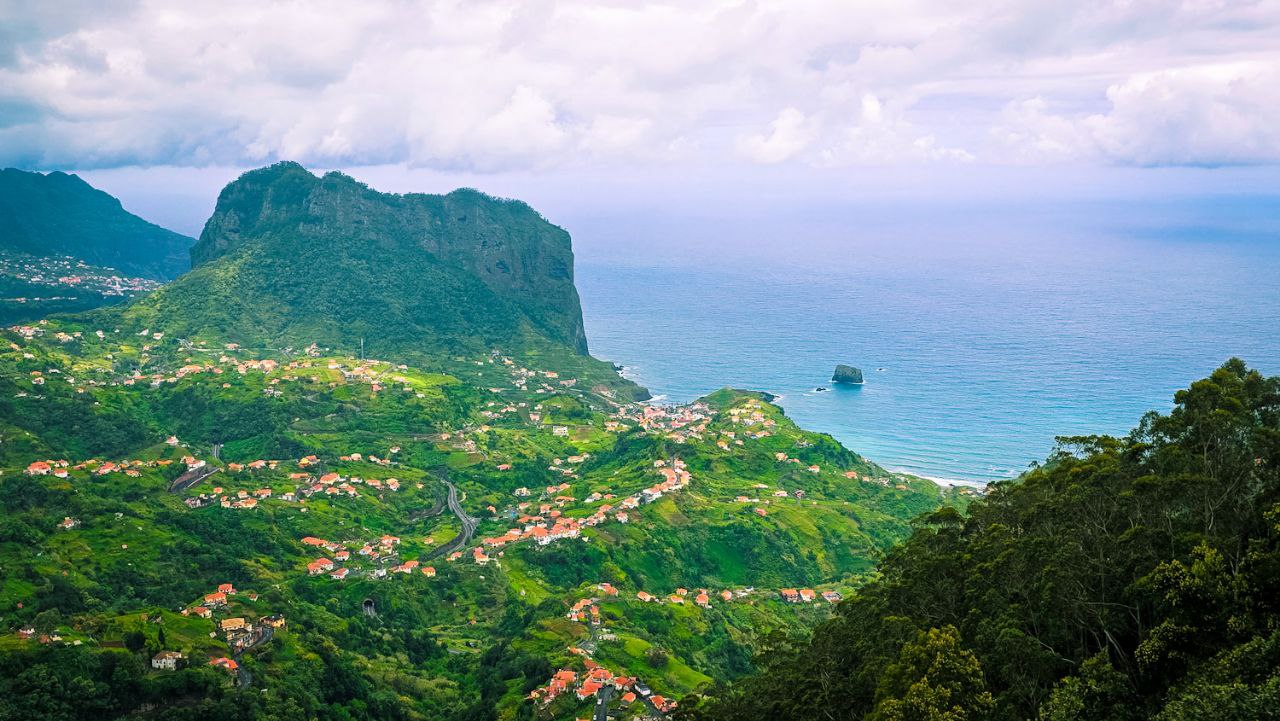
Before traveling, we took a deep dive into the history and hype.
You can read that in our first article: Is Madeira Really the Hawaii of Europe? What We’re About to Learn. Now, with fresh eyes and jet lag behind us, here’s what we found.

Beaches in name, but not in experience.
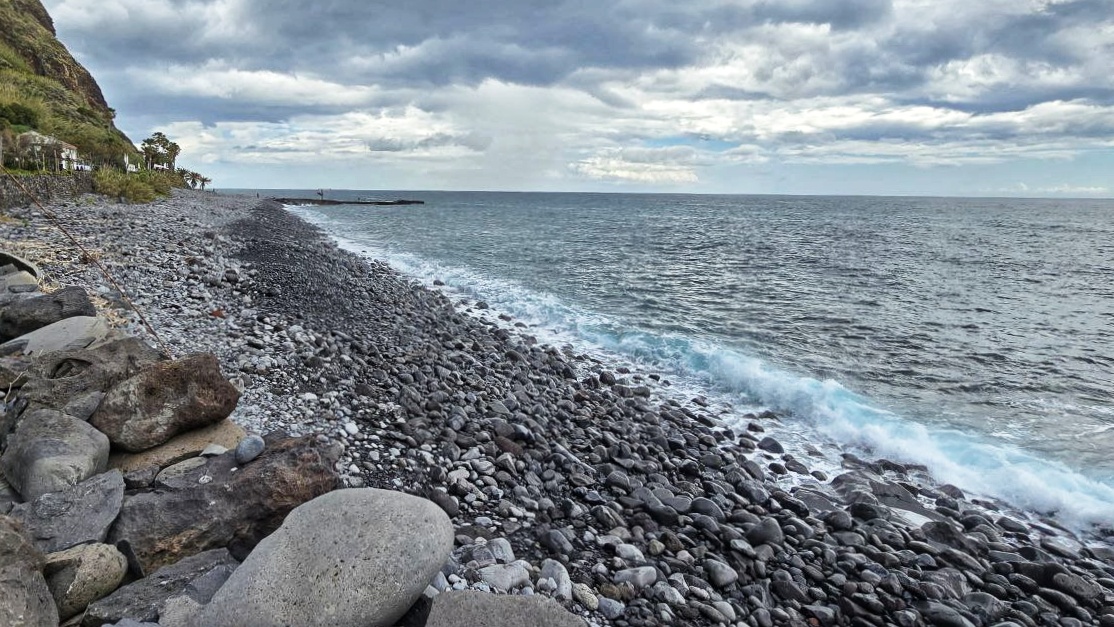
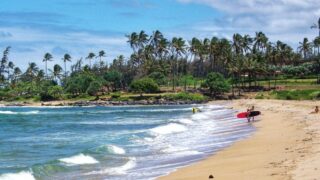
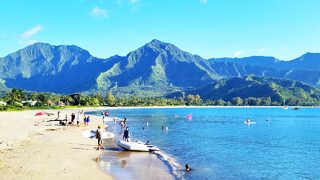
Madeira will surprise you if you expect wide sandy beaches and warm, gentle surf like in Hawaii. The island has almost no natural sandy beaches. Most coastlines are rocky or formed of black pebbles, and swimming access often involves engineered platforms, ladders, or concrete terraces.
While a few artificial sand beaches exist, like in Calheta and Machico, even these rely on imported sand. And the Atlantic here is certainly no tropical lagoon. The water is colder, rougher, and often better suited to cliffside views than lazy swims.
There is a striking difference for those coming from Hawaii. Madeira’s beauty lies more in its cliffs and coastal drama than in beach lounging.

Access isn’t easy, and that shapes everything.
In Hawaii, getting around often feels effortless. Roads loop around the islands, and it’s not unusual to pull over and find a beach steps away. From Oahu to Kauai, access to natural beauty is straightforward — whether hiking, swimming, or just taking a scenic drive.
Madeira is another story. The terrain is steep, and cliffs dominate the coastline. Beautiful places exist, but reaching them can be physically demanding or require serious planning. Even short drives can feel stressful — tight turns, narrow tunnels, and steep inclines are the norm.
Parking can be scarce, especially in and around popular spots like Funchal, the capital city, or the miradouros (viewpoints) scattered across the island.

That difference in ease and access affects how you experience the island. Where Hawaii invites you to wander and discover, Madeira requires more effort and, often, intention.
Madeira’s road network mixes fast expressways (VR1, VE1–VE7)—tunnels and viaducts that circle the island quickly—and secondary mountain roads (E.R. 101–220), which are narrow, steep, and winding.

For example, driving from Funchal to (about 17 km on E.R. roads) takes ~25 minutes by car or taxi. A full circumnavigation via expressways is around 160 km and takes 3–3.5 hours. These mountain drives require focus and patience, much more demanding than typical Hawaiian highway driving.
Watching the toboggan run — and skipping the ride.
After taking the cable car up to Monte, which offers a beautiful view over Funchal and the coastline, we watched the famous Monte toboggan ride in action—known locally as the Carros de Cesto. These traditional wicker sleds are steered by white-uniformed drivers who run alongside, guiding you down polished roads.
We decided not to do the ride ourselves. The lines were long; honestly, watching people zoom by and react was just as much fun. We captured a few great photos and video clips, which we still laugh about. If you’re short on time or patience, standing at the top and watching may be a better experience. To avoid the line, consider arriving early in the day or planning your visit when cruise ships are not in port. It’s closed on Sundays and public holidays.

Iconic Mercado dos Lavradores – A disappointment.
Funchal’s Mercado dos Lavradores is a striking piece of architecture. Historically, it was the place to buy local fish, produce, and flowers. But today, it’s mostly turned into a glossy tourist trap. A few produce stalls remain, but most of the space is now dedicated to overpriced souvenirs, and fruit stands catering to cruise ship visitors.
We walked through the market and left disappointed. What used to feel authentic now feels performative — and expensive. Prices for a small bag of fruit were easily triple what we paid elsewhere. Instead, we recommend heading to the open-air stands just across the street, where you’ll find better prices and less pressure to buy.
Volcanic beauty and a deep historical connection.
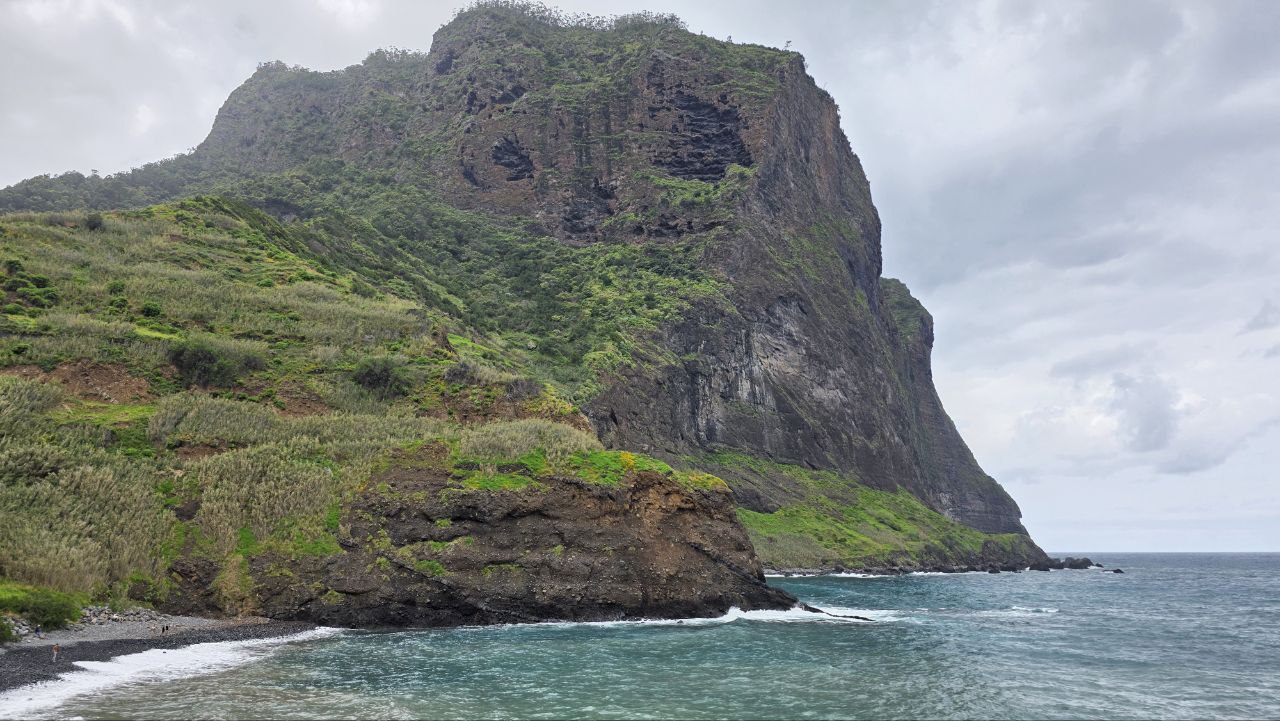
Madeira is a volcanic, remote, and stunningly beautiful island. Its coastlines rise in steep, forested walls, and black-sand beaches border villages filled with banana plants and bougainvillea. Driving along the coastal roads, we could not help but think of the Hana Highway on Maui — cliffside views, endless curves, and the sound of surf below.
The connection runs deeper than the scenery. In the late 1800s, Madeiran workers played a significant role in shaping Hawaii’s multicultural identity. Their legacy built a bridge between these two island chains, one still remembered today.
A slower pace with big and very different crowds.
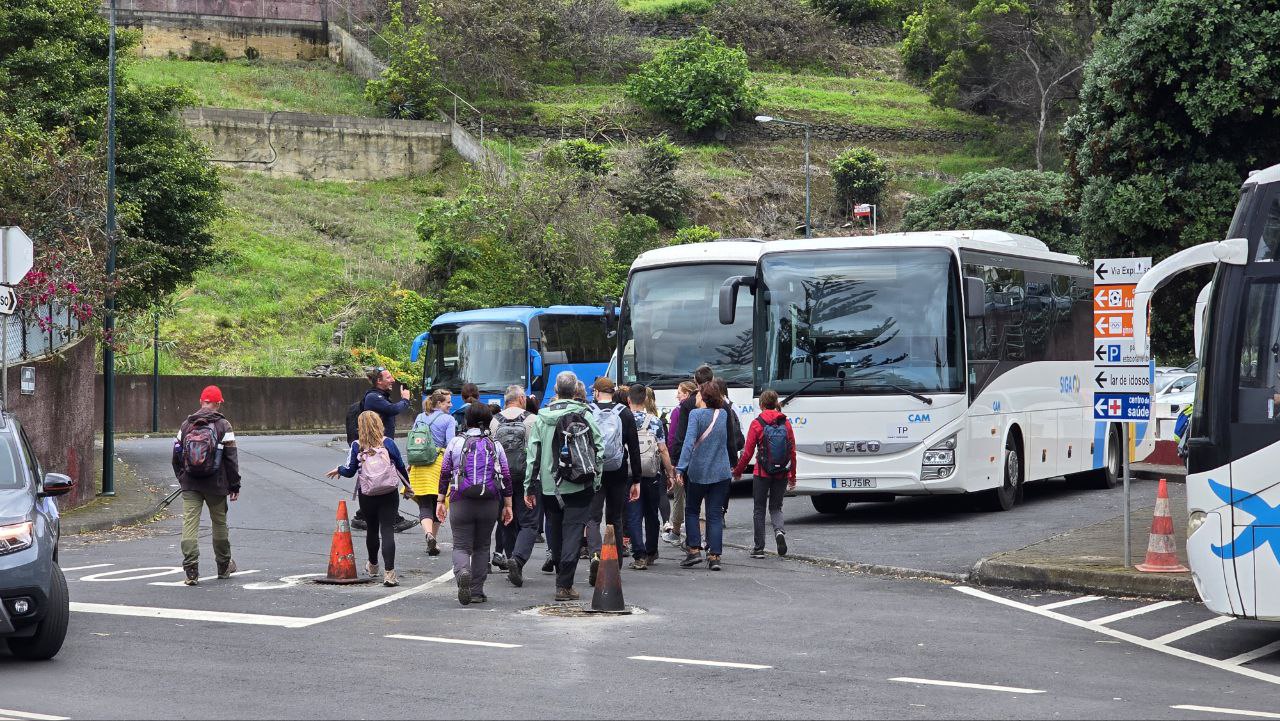
Madeira draws mostly European visitors — primarily British, German, and French travelers who often return year after year. The island feels elegant but relaxed, with more linen shirts than flip-flops. Even during peak hours in Funchal, we found ourselves strolling cobblestone streets without the shoulder-to-shoulder crowds of Waikiki.
Unlike Hawaii, where overtourism has become a serious concern, Madeira still feels refreshingly somewhat unhurried. It’s busy, but not overwhelming. Cruise ships arrive, and sometimes too many, but the island seems to generally maintain its balance, at least for now.
With 2.5 million UK visitor overnights in 2023 alone, Madeira is hardly undiscovered — but the experience still feels uncrowded in some ways. And you won’t hear many American accents, that’s for sure. Visitors from the USA staying overnight hover at 0.5% – the 10th largest source market.
Hiking reveals the starkest contrasts.
Madeira’s hiking is unlike anywhere we have been. Many trails follow levadas — historic irrigation canals that weave through forests and valleys. On the Levada do Caldeirão Verde trail, we walked through misty tunnels and past hidden waterfalls in a world that felt alpine and tropical at once.
At Pico do Arieiro, we climbed above the clouds on a jagged ridge trail with sweeping Atlantic views. The feeling is alpine-meets-subtropical.
In Hawaii, hiking feels raw and elemental. Trails like Waimea Canyon and Haleakalā offer red dirt, exposed ridges, and wide-open volcanic views. Both destinations are spectacular, but their terrains tell very different stories.

If you don’t hike, seven cable car lines are scattered around the island to get you quickly from the top of a cliff down to the beach.
The food was uneven, but the cost and other aspects impressed.
Madeira’s tropical fruits, for example, were pleasant but did not match the flavor or intensity we are used to in Hawaii. Mangos, bananas, and other tropical fruits were familiar but far less vivid. These were of great appeal to Europeans, for whom these were novelties.

Madeira’s drinks more than made up for it. Rob found poncha at a farmers market near Funchal, where the bartender mixed sugarcane alcohol, honey, and citrus right before our eyes. One sip was enough to understand why poncha is so popular and beloved — intense, tangy, and bright. Perfectly Madeiran. The market was more of a gathering place for socializing and sharing a drink. He also carried home a ten-year-old bottle of outstanding Madeira Bule.
At places like Quinta do Barbusano, you can taste crisp white wines on a terrace overlooking green valleys. Madeira’s approach to food and drink is leisurely, sensory, and distinctly memorable.
Service in restaurants felt more transactional than warm, especially compared to Hawaii, where hospitality is often still more deeply personal.

Best eats we found.
Don’t skip the snack bars. In Madeira, a “snack bar” isn’t what it sounds like to American ears. These are casual, sit-down neighborhood restaurants — often family-owned — serving freshly cooked, local meals at prices that seem almost too good to be true. We ate at Snack-Bar Bela 5 in Funchal multiple times for lunch and dinner and loved it. For about 15 euros, we were served a generous plate of freshly grilled fish, fries, and salad — simple, fresh, and far better than the fancier spots we hit that were trying to impress with their accolades.

For something sweet. For a great treat, head to the lines at NATA 7 in Funchal. We made repeat visits for their pastel de nata — the iconic Portuguese custard tart. Paired with a just-pulled espresso for €1.50, with no tip expected, it made the perfect mid-morning or late-afternoon stop. Flaky, warm, and lightly caramelized, it’s a small but memorable part of Madeira’s food culture.
We also visited Fábrica Santo António, a beloved bakery and biscuit factory that’s been around since 1893. Locals line up for their cookies, cakes, and fig-based sweets, and the are a find well worth bringing back. This is the place to stock up when you’re looking for edible souvenirs with a real story to tell. It might feel like a tourist trap, but the proof was in the taste.
Growth is coming fast, but identity remains intact.
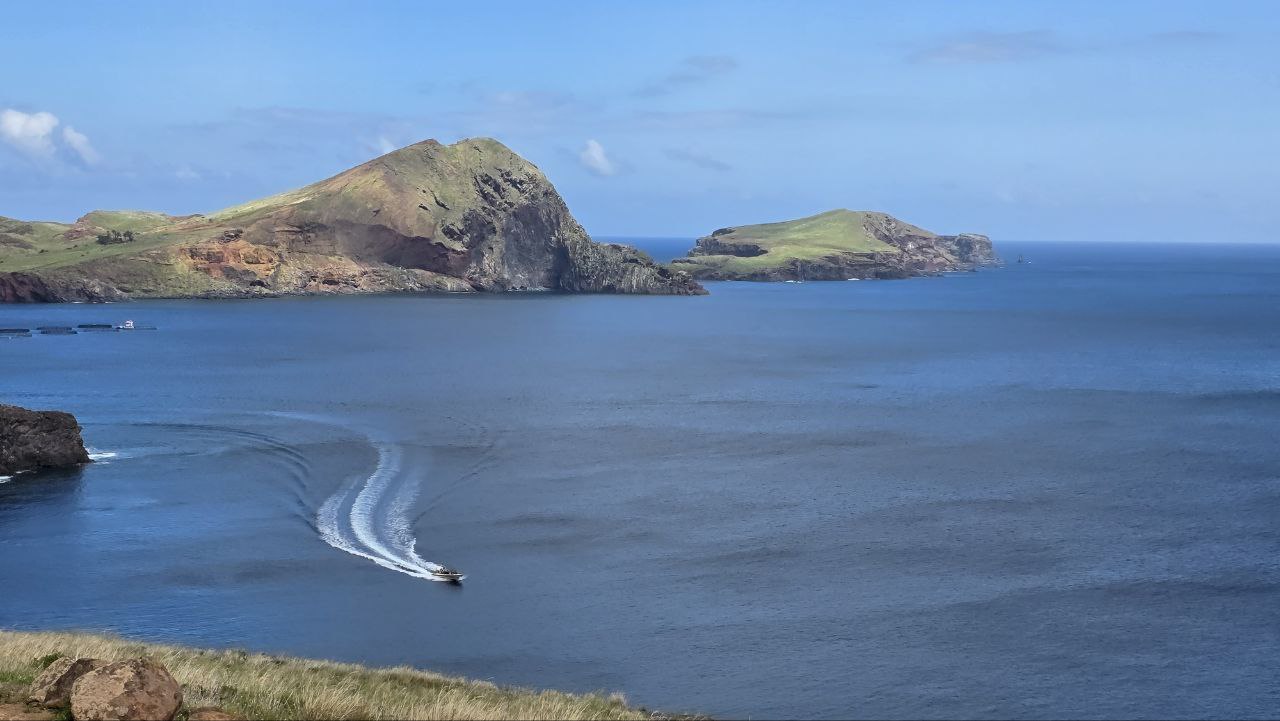
Madeira is no longer a hidden gem. Searches for “Madeira holidays” have surged more than 70 percent in the UK, and the island now sees several million overnight stays from UK visitors annually, by far its largest tourism market. British and Irish pubs have popped up in Funchal, pints of beer cost £2.28, and Premier League games fill the TV screens.
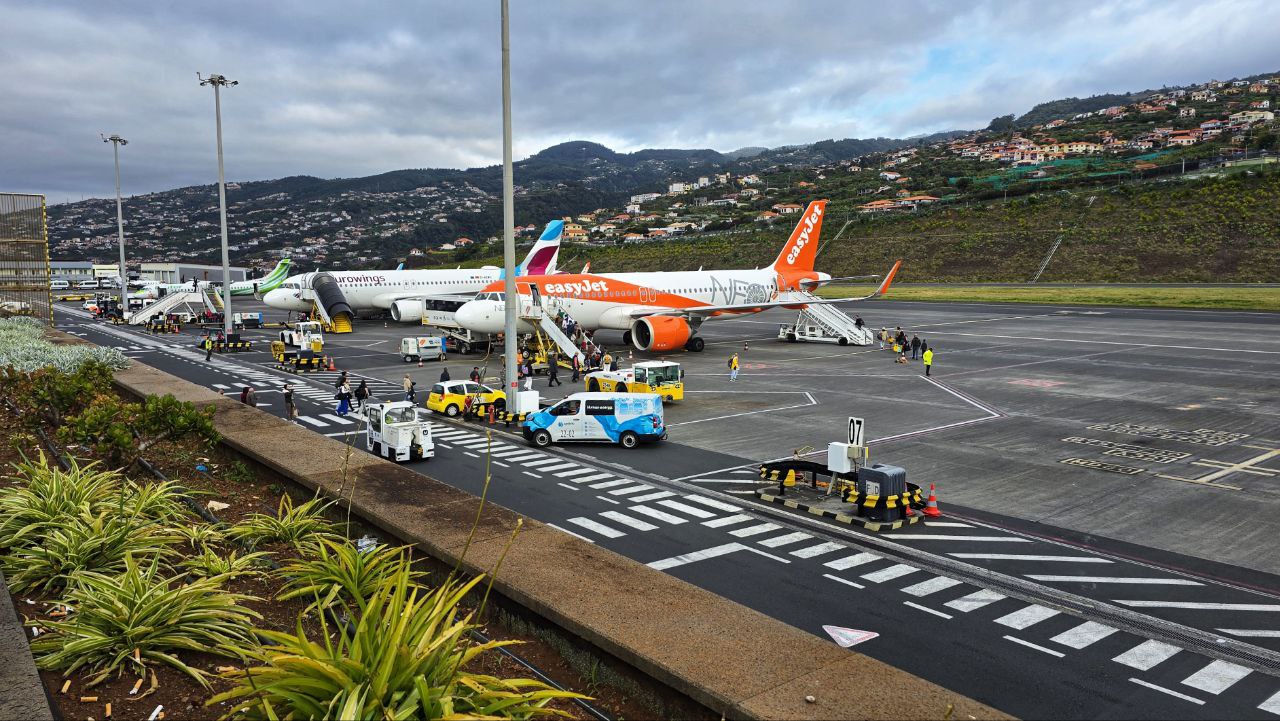
Flights from $33, depending on timing and airline.
Airfare can be wildly inconsistent. We paid just €30 per leg from London Gatwick, but seat assignments and checked bags were extra. But we’ve also seen fares from the same airport priced as high as $1,700 one-way. As with Hawaii, flexibility makes a big difference in the affordability of the trip.
United Airlines now offers nonstop summer flights from Newark to Funchal, opening a new direct path to the island from the U.S. mainland. It’s noteworthy that flying from New York to Madeira takes about 1/3 less time and distance than flying from the east coast to Hawaii. Prices are from $450 off-peak to $1,500 round-trip in summer.
The island still feels unmistakably Portuguese.
The soul of Madeira persists beneath the tourist gloss. One shopkeeper told us, “The tourists bring money, but we hope Madeira doesn’t lose its soul.” So far, the island appears to be managing its growth more effectively than Hawaii, striking a balance between cruise ships, boutique hotels, and its heritage without compromising its essence.
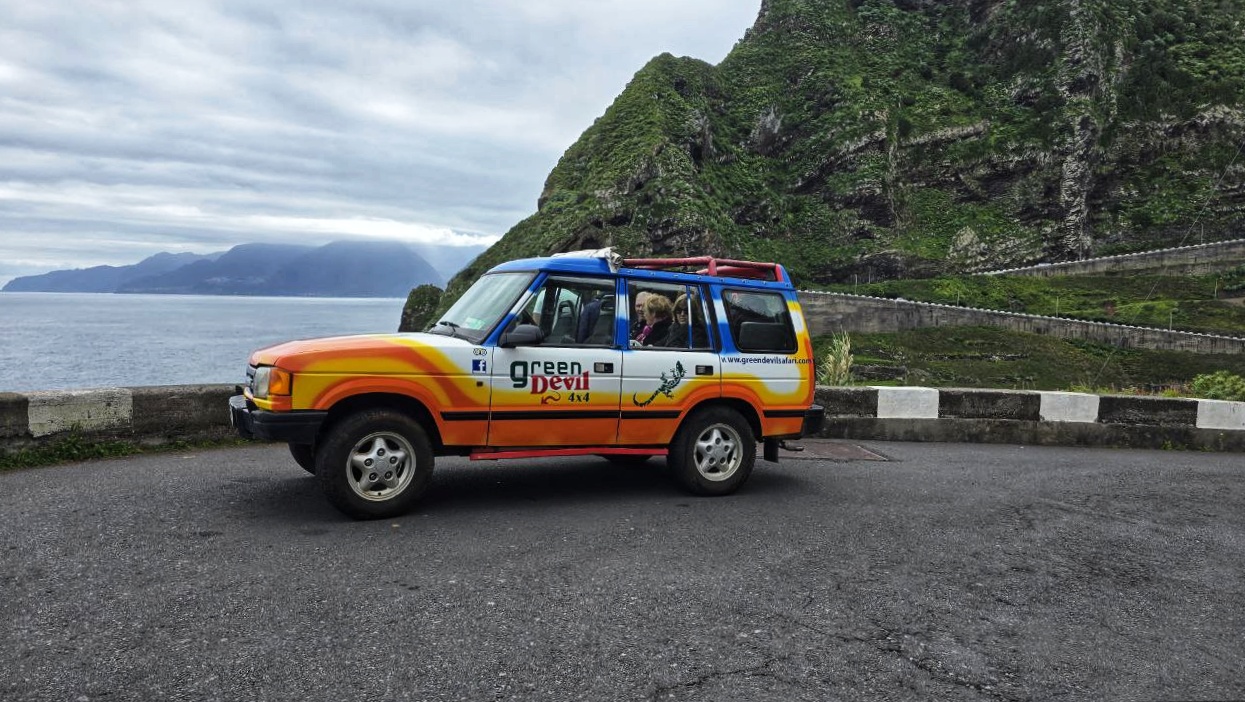
Madeira travel tips and observations.
The island is roughly the size of Kauai but with 260,000 residents compared to Kauai’s 74,000. It’s already getting crowded, and visitors currently outnumber locals 5 to 1 on Madeira.
Driving in Funchal and around the island is intense and not relaxing at all. Honestly, it makes Honolulu look like a breeze. The city extends up the mountainside and is steep with narrow, winding roads. Even walking in Funchal, we only found flat surfaces on the waterfront. To reduce parking hassles and stress, we opted for ride-sharing in Funchal and used the rental car to reach areas outside the city.
Prices are lower than in Hawaii. Our VRBO in the old town with a full kitchen was $75 a night. Groceries were about 1/3 the cost of Hawaii. Dining out is also easy on the wallet.
The Madeira weather feels more like San Diego than Hawaii. We visited in April, and it was too cold to swim in the ocean or the public outdoor pools, which were not heated. Instead, we both opted for an indoor Olympic-sized public pool that was heated for swimming, but it had specific requirements, such as wearing Lycra swimwear and a swim cap.

The island, not unlike Hawaii, decidedly lacks enough infrastructure to support further increases in tourism. Frequent road jams at popular tourist locations were the norm, even though we were there off-season. At the same time, the existing infrastructure appears far more polished and thoughtfully designed than what is often seen in Hawaii. Everything, from public restrooms to scenic viewpoints and the airport, feels intentional, stylish, and well-integrated into the landscape.
One interesting observation is that all the towns share the same architectural style—tile roofs and white exteriors. Another observation is that there is no native culture like we have in Hawaii. The Portuguese were the first to arrive in 1420 and never left.
English is widely spoken on the island, except in smaller towns in remote areas. Madeira uses the Euro as its official currency.

Trail fees and permits. If you’re planning to hike, be aware that Madeira now charges a €3 fee per person, per trail, for non-residents age 12 and up on its most popular hiking routes. This includes well-known trails like Levada do Caldeirão Verde, Pico Ruivo, Vereda dos Balcões, and Ponta de São Lourenço. Payment must be made in advance through the official Madeira Simplifica website, and you’re expected to carry proof on the trail. Free trails still exist, but the list is shrinking as the program expands across the island. Also, remember that many trailhead parking areas charge hourly fees, and spots fill fast especially late mornings.

Arriving in Madeira is an experience in itself.
Landing in Madeira is unlike anywhere else. The island’s airport — Cristiano Ronaldo International — is home to one of the world’s most dramatic runways. Built on a platform of concrete pillars that jut out over the ocean, the approach feels like you’re threading a needle between cliffs and the sea.
The descent is often regarded as one of the most beautiful and challenging in aviation. With Atlantic winds, a limited margin for error, and panoramic views of Funchal and the surrounding coastline, it sets the tone for your trip.
If you are flying from London, you will enter the European Union and the Schengen Area upon arrival in Madeira. In other words, our time in London did not count towards the 90-day Visa limit.
We stayed for a week, but we needed longer to see everything the island had to offer. If you have visited Madeira, we would love to hear your comments.
All photos © Beat of Hawaii. The lead photo is outside the town of Porto Moniz.
Get Breaking Hawaii Travel News


The locals there are tired of tourism driving up prices too…
Thanks for being honest about the Madeira experience. We were excited to go and left feeling like all in all it wasn’t quite what we were expecting although we still did enjoy it. Like you said, the market in Funchal was a bummer and definitely not the local vibe we were hoping for.
Haven’t been yet, but planning a Europe trip next year and Madeira has been on our radar because of articles about Hawaii of Europe. The hiking sounds beautiful, but how accessible is it for someone who’s a casual walker, not a hardcore trail junkie? Also wondering if it’s easy to get around without renting a car.
I’ve done the cable car but skipped the sled ride, too! Watching people do it was hilarious and honestly more fun than standing in the sun waiting for an overpriced thrill. It reminds me of the touristy luau experiences in Waikiki—entertaining, yes, but not always authentic. Curious what if any deeper cultural events for visitors, like festivals or music you found.
Glad you wrote this. The “Hawaii of Europe” headline was always both eye-catching and a head-scratcher for me, and I’m grateful you took the time to unpack it from Hawaii perspective. The cultural differences alone are massive. But you also make it sound like a place worth visiting on its own merit even if it has nothing to do with Hawaii and isn’t so Hawaii-like as claimed. Someone sure did a good marketing job for them.
Great article! I’ve only seen Madeira on Instagram reels, where it looks like a cross between Norway and Kauai. But those snack bars you mentioned? That’s my kind of place. I’m going to go looking to see more comparison photos side by side.
We’ve been debating a fall trip to either the Azores or Madeira. Reading this helped a lot. You mention it’s stylish and developed in ways Hawaii isn’t. Interesting. Dumb stuff coming to mind like how’s the internet speed and cell service when you’re hiking or exploring the island?
I grew up in Hawaii and have lived here my whole life. It’s wild to see this wave of comparisons being made with Madeira. Culturally, spiritually, and socially—it’s not even close. But if you’re looking for dramatic landscapes and a slower pace, I can see the appeal. What surprised me is how you say the infrastructure there is better.
Just got back from our first trip to Madeira and we honestly weren’t expecting the level of tourism pressure we saw. Cruise ships daily, toboggan ride lines that felt like Disneyland, and the market was a total zoo. But we also had quiet moments on the north coast that felt almost untouched. Loved the contrast you drew with Hawaii—it’s absolutely its own thing.
As someone who’s been many times to Oahu, Kauai and the Big Island but never to Madeira, I find this fascinating. Sounds like these places are all volcanic and scenic but with very different personalities. Does Madeira have swimmable beaches like Hawaii even if there’s no sand, or is it more cliffs and viewpoints? And how’s the vibe—laid back or more formal?
I visited Madeira years ago and had no idea people were comparing it to Hawaii now. The geography is stunning, but it didn’t feel anything like Hawaii to me—no beach culture, no aloha spirit. That said, the levada hikes were magical. I’d love to see more about how locals feel about the tourist boom. Are they embracing it or feeling pushed out?
We took a 5 day spur of the moment trip out of Lisbon in 1994 over to Maderia. We were surprised there were no beaches but the cable cars and everything else were wonderful. We did do that thrilling wooden sled ride along the streets, down from the peak to the ocean front. I’m sitting here chuckling to myself remembering it. And you right, the food was terrific not to.mention the wine.
Madeira is well worth a visit however if you want a comparison to Hawaii ne then the Spanish owned Canary Islands are a better comparison. These are popular with Europeans and British vacationers. It is only a slightly north latitude of Hawaii, and has a grumbling volcano which threatens to erupt and cause a landslide to start a tsunami. There are many islands and as with Hawaii some are very touristic in the same manner as Oahu and others offer a more laid back, tranquil experience. It is off the coast of Africa but is unmistakably Spanish. The downside is Tenerife was the site if the worst ever passenger aircraft disaster in 1977 when 2 Boeing 747 aircraft collided on the runway but things are much safer now.