

Hawaii’s reputation for pristine beaches and lush landscapes is now matched by its allure as a stargazing paradise, where travelers can connect with the cosmos under some of the clearest skies on Earth. With dark skies free from excessive light pollution, high-altitude vantage points, and a deep connection to celestial navigation, the islands attract visitors looking for an unforgettable cosmic adventure.
While Mauna Kea has long been recognized as one of the world’s premier stargazing destinations, travelers are now discovering an expanding list of must-visit dark-sky locations across Hawaii.
Why Hawaii is perfect for stargazing.
Hawaii offers some of the best stargazing conditions in the world. The islands’ remote Pacific location results in minimal atmospheric interference, and volcanic peaks provide high-altitude viewpoints with exceptionally clear skies. Hawaii’s strict light pollution laws ensure pristine night skies, allowing for breathtaking views of the Milky Way, planets, and deep-space objects.
The surge in Hawaii astro-tourism aligns with a global trend, with increasing demand for celestial experiences tied to meteor showers, eclipses, and dark-sky conservation. While Mauna Kea consistently ranks among the world’s top stargazing locations, other Hawaiian destinations are gaining recognition for their unique celestial views.
Mauna Kea: Hawaii’s premier stargazing destination.
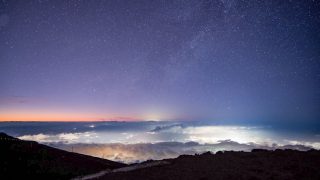
Mauna Kea on the Big Island remains the gold standard for stargazing in Hawaii. At nearly 14,000 feet above sea level, the dormant volcano is home to some of the world’s most advanced astronomical observatories. Due to its world-class viewing conditions, international observatories have invested heavily in Mauna Kea. Its high elevation places it above much of the Earth’s atmosphere, reducing distortion and offering exceptional clarity.
Since the summit closes 45 minutes after sunset, stargazers head to the Mauna Kea Visitor Information Station at 9,200 feet, which is open daily until 9 p.m. On clear nights, the Milky Way stretches across the sky with an intensity rarely seen elsewhere. The best nights for stargazing are when the moon is 30% full. If there’s too much moonlight, it can dim the stars you want to see. If you search online, you’ll also find private companies offering Mauna Kea stargazing tours below the information center.
Waimea Canyon: Kauai’s hidden stargazing gem.
While Mauna Kea is widely recognized, Waimea Canyon on Kauai remains an overlooked but exceptional stargazing location. Often called the Grand Canyon of the Pacific, Waimea’s rugged terrain provides a remote setting far from city lights.
At over 3,600 feet above sea level, the higher elevations of Waimea Canyon and nearby Kokee State Park offer some of Hawaii’s best night-sky visibility without the crowds seen at Mauna Kea. Overnight stays at Kokee State Park cabins or campsites offer unparalleled deep-space views.
For those looking for a guided stargazing experience on Kauai, the Kauai Educational Association for Science and Astronomy hosts public star-watching events at Kaumakani Park & Sports Pavilion, between Hanapepe & Waimea.
Haleakala: Stargazing on Maui’s summit.
Haleakala National Park on Maui is another must-visit stargazing destination. At over 10,000 feet, the summit provides a high-altitude experience similar to Mauna Kea with crystal-clear skies and an unobstructed view of the cosmos.
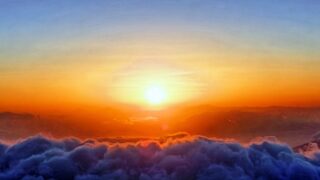
Most visitors arrive before dawn to witness Haleakala’s world-famous sunrise, but those who stay after dark experience an entirely different spectacle. Guided stargazing programs at Haleakala incorporate Hawaiian celestial traditions and modern astronomy, providing visitors with a deeper connection to the night sky.
Another option is to visit without a tour using the stargazing information on the Haleakala National Park website.
Big Island: Expanding dark-sky destinations.
Beyond Mauna Kea, the Big Island is expanding its role as a dark-sky destination. Hawaii County has some of the world’s most protective light pollution regulations, ensuring that even lower-elevation sites offer incredible celestial visibility.
For those looking for a quieter stargazing alternative, the Puuwawaa Forest Reserve and remote locations along the Kohala Coast provide less crowded but equally spectacular views of the stars. Many Big Island resorts also offer private stargazing events, allowing guests to experience the cosmos without leaving their accommodations.
Celestial navigation: Hawaii’s deep connection to the stars.
Stargazing in Hawaii is about more than admiring the night sky. Through the practice of celestial navigation, it is deeply connected to the islands’ history and culture.
Ancient Polynesians relied on the stars to navigate the vast Pacific Ocean, using constellations, the sun, and wave patterns to guide their voyages. This tradition, known as wayfinding, remains central to Hawaiian culture and continues to influence modern navigation techniques.
Many stargazing tours in Hawaii incorporate this history, blending scientific discovery with cultural storytelling. Some guided experiences include Hawaiian chants and mythology, offering an immersive way to experience the stars as the ancient voyagers did. The Polynesian Voyaging Society explains how early navigators used the night sky to settle the Hawaiian Islands.
Oahu’s accessible stargazing experiences.
While Oahu lacks the dark-sky conditions of its neighbor islands, it offers urban-friendly options for visitors looking to experience the stars.
Stargazers of Hawaii, a private tour company, provides guided telescope-based stargazing events at locations across the island. Free public stargazing nights are hosted at Waikiki shopping centers, while ticketed telescope tours are available at Turtle Bay Resort and other venues.
Another option is the planetarium show at the renowned Bishop Museum in Honolulu. It includes a daily presentation on the “Hawaii Sky Tonight.”
While these experiences do not offer the total darkness of Mauna Kea or Haleakala, they give visitors staying in Honolulu an opportunity to observe planets, the moon, and deep-space objects through high-powered telescopes.
Best times and locations for celestial events.
Hawaii is one of the best places in the world to view meteor showers, eclipses, and planetary alignments. Major events that are particularly stunning from Hawaii include:
The Perseid Meteor Shower in August, known for producing up to 100 meteors per hour, is one of the most spectacular annual sky events.
The Geminid Meteor Shower in December is another high-activity event, and Hawaii’s warm winter nights make for comfortable viewing.
Total lunar eclipses are frequently visible in Hawaii, and due to minimal cloud cover, the islands offer some of the best views in the United States.
Planetary conjunctions, including rare alignments of Jupiter, Saturn, and Venus, occur every few years and can be seen clearly from Hawaii’s remote vantage points.
Visitors planning a stargazing trip to Hawaii should check the new moon calendar to ensure they visit during the darkest possible nights for optimal visibility.
Plan your journey to the stars.
As astro-tourism continues to grow, Hawaii is solidifying its position as a premier global stargazing destination. The islands offer unparalleled celestial experiences that blend science, culture, and natural beauty.
Whether you are a seasoned astronomer or a curious traveler, Hawaii offers a front-row seat to the universe. Explore stargazing tours, visit iconic observatories, and immerse yourself in the islands’ celestial wonders—start planning your night-sky adventure today.
Get Breaking Hawaii Travel News

Inquiring about the drive/ access road to the summit of Mauna Kea, as we’ll be returning to the Big Island this summer. On a recent visit to Maui, the main thing I remember of Haleakala was the “white-knuckle” drive, from the National Park Service entry center to the summit. While the NPS road is recently resurfaced and well maintained, the fact that there’s nothing between you and precipitous drops is a white line (no shoulders or guide rails !!) is a somewhat unnerving experience !!!
Aloha.
That was kinda nice story about what stargazing is beautiful in the sky.
And that was bad about meteor showers, they’re dangerous to kill everybody and destroy the world!!
Aloha.👋👋😉
On Maui, you don’t need to go all the way to the Haleakala summit for great views of the night sky. On any night with clear sky and without moonlight, as long as you’re around 3000ft or up, you’ll be entering Bortle Class 2 dark skies which is quite dark and sufficient to see the Milky Way with bare eyes. Done that many times.
Some other easily accessible popular tourist destinations such as Grand Canyon are about the same.
I have a question about going up to Waimea after sunset. I do not wish to camp or rent a cabin. Is it possible to park up there at one of the turnouts and just look up for a while, or…? Is it safe to do this?
As always, Mahalo for all you do!
Thank you for describing these spots to enjoy the heavens. There’s much to enjoy about each spot- they are all unique. There’s nothing like the quiet one gets from stargazing and the calming effects of interacting with nature.