Imagine celebrating Thanksgiving on New Year’s Eve, eating poi, and having Hawaii’s king and queen join the festivities. That’s how Honolulu celebrated its first royally proclaimed Thanksgiving in 1849, fourteen years before Abraham Lincoln established America’s annual Thanksgiving observance.
As we wrote three years ago about Hawaii’s Thanksgiving history, King Kamehameha III called for “a day of public thanksgiving to God, for his unnumbered mercies and blessings to this nation.” George Washington proclaimed an American Thanksgiving in 1789, and other presidents followed suit, though the dates varied.
Thanksgiving on a Monday? The newspaper preferred Thursday.
We particularly enjoyed reading the account of that first celebration in Honolulu’s newspaper, The Friend, reprinted a century later and preserved in the Hawaii State Archives. The newspaper welcomed the occasion but was somewhat taken aback by the king’s choice of date. It politely suggested that his ministers consult their calendar the following year.
Schoolchildren gathered at Kawaiaha’o Church, where the king gave a speech in Hawaiian with the queen and other government leaders also seated on the platform. Afterward, the children marched with banners to another church for a Hawaiian feast. The newspaper was amused to see Hawaiians eating poi with spoons while their Western neighbors were eating it with their fingers.
Hawaii’s season of giving thanks goes back much further.
Long before Westerners arrived, Hawaiians observed Makahiki, a season honoring Lono, the god associated with agriculture, rainfall, and peace. The appearance of Makali’i, the star cluster we know as the Pleiades, above the horizon at sunset marked the beginning of the Hawaiian new year.
For approximately four months, warfare was forbidden, offerings were presented to chiefs, and people gathered for religious ceremonies, feasts, hula and athletic competitions. Some of those games, including Hawaiian bowling, wrestling, and foot racing, remain part of Makahiki celebrations today.
In 2024, Hawaii changed its official Makahiki Commemoration Day. Instead of observing it on November 20 each year, the state now bases the date on the traditional Hawaiian lunar calendar.
Cooking Thanksgiving turkeys underground.
One Thanksgiving tradition you might not encounter back home is having someone cook your turkey underground. In Pukalani on Maui, volunteers at the Church of the Nazarene have been doing just that for their community for 36 years. Using heated lava rocks and banana leaves, they cook more than 600 turkeys and other items in their imu each year, free of charge.
On windward Oahu, the KEY Project has its own similar tradition. Each year, about 350 turkeys go into its underground oven on Thanksgiving Eve and come out early Thanksgiving morning, ready to be taken home for family gatherings.
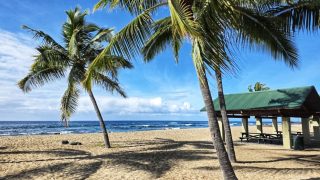
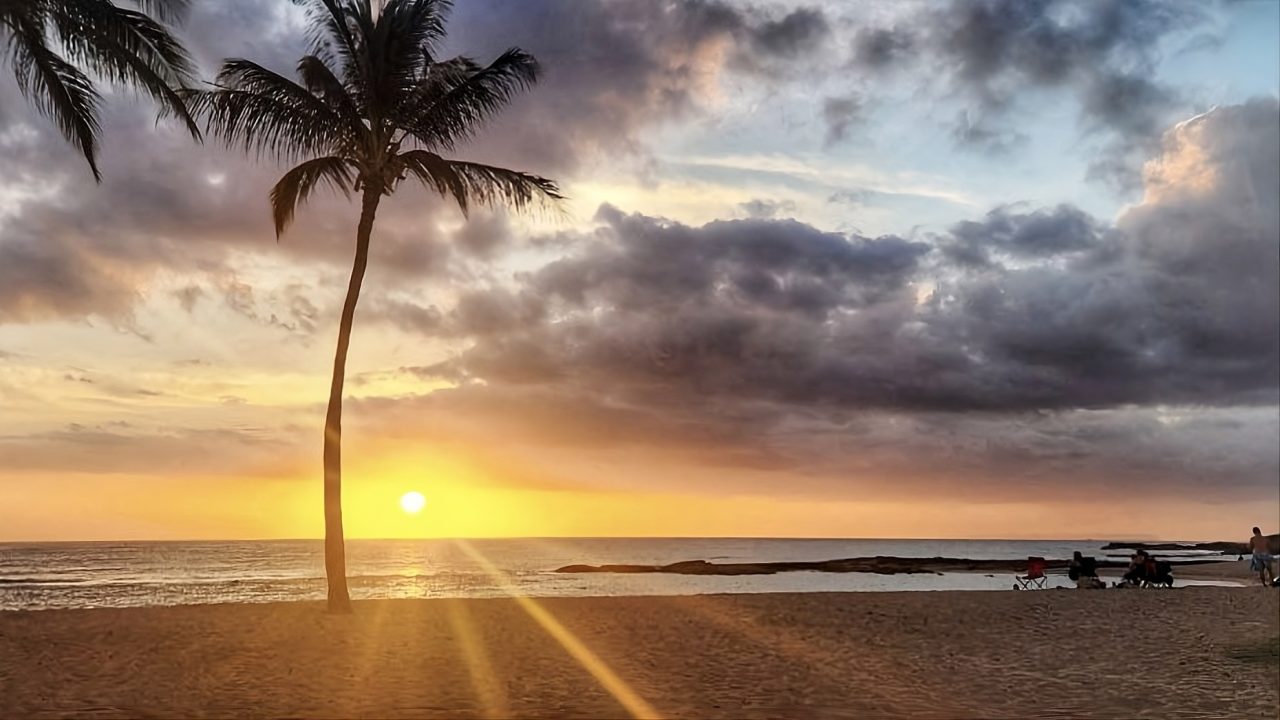
We’ll be enjoying Thanksgiving at Salt Pond Beach here on Kauai, especially given how huge the waves are at Kauai’s north shore and Hanalei this week. It’s one of the things we love about living here, being able to spend the holidays at the beach. That’s another long-standing tradition in Hawaii.
We’re grateful to all of you who have made Beat of Hawaii part of your lives, some for nearly two decades now. Wherever you’re spending Thanksgiving today, we wish you and your families a wonderful holiday. Hau’oli Lā Ho’omaika’i from both of us.
Photo Credit: © Beat of Hawaii at Salt Pond Beach on Kauai.
By Rob and Jeff, Beat of Hawaii.
Some of the most meaningful parts of Hawaii are the ones visitors walk right past without knowing they are there. We’ve spent nearly 20 years finding them firsthand for BOH as full-time Hawaii residents reporting on travel, culture, and island life, and telling you what they mean for your trip. Join us →
Get Breaking Hawaii Travel News