

Kauai County officials drew a sharper line this week on what counts as an emergency. After airlifting a 59-year-old visitor from the Kalalau Trail, the county issued a press release saying that hiker fatigue is not a life-threatening condition.
Fire Chief Michael Gibson emphasized that every launch of the rescue helicopter poses a risk to the pilot, firefighters, and those on the ground. The statement underscored a growing concern that 911 is being used for non-emergencies and raised again the question of who should bear the cost when rescues in Hawaii go wrong.
The September 9 rescue was for hiker fatigue.
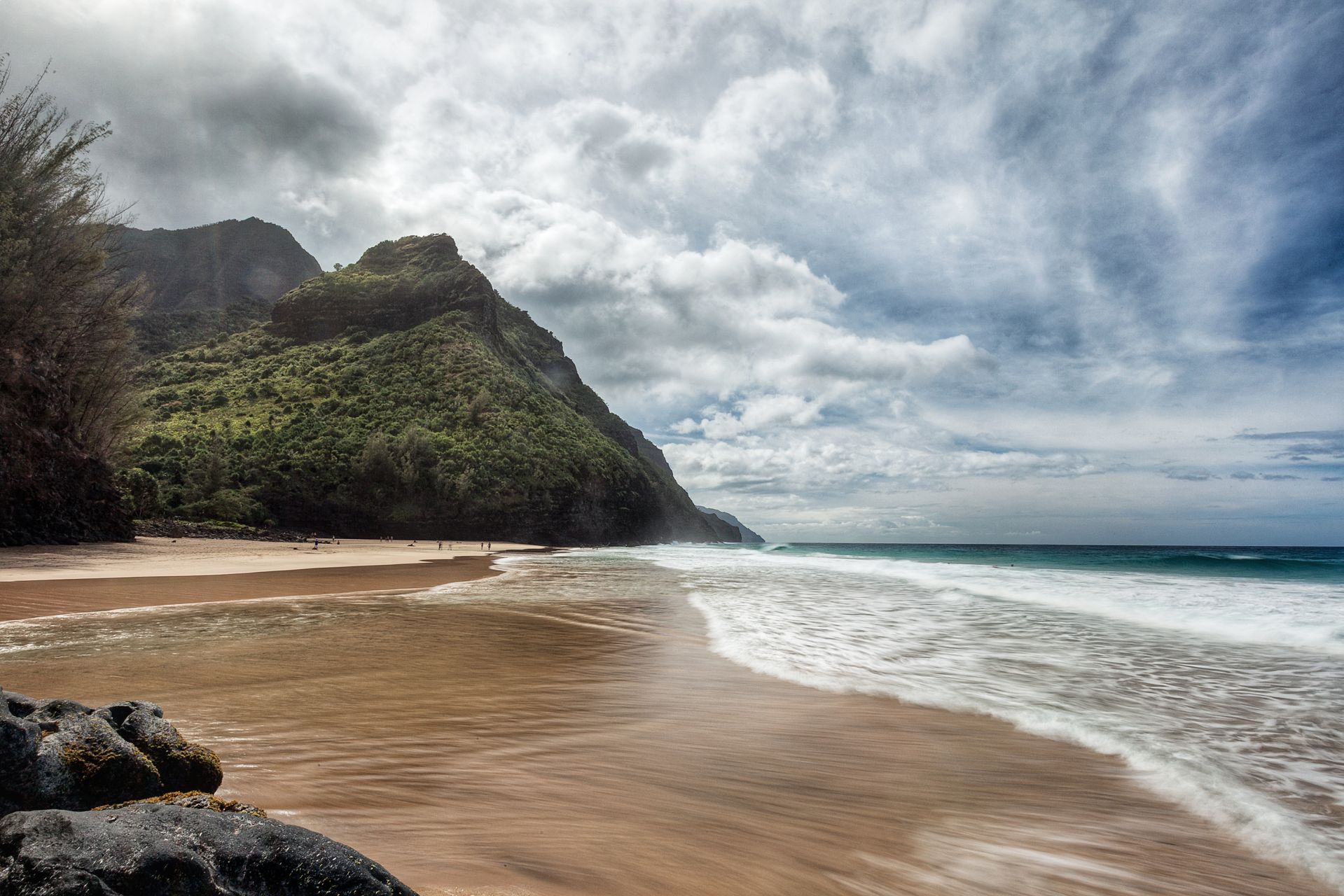
According to the county’s release, a Texas visitor called for help on Monday morning because she did not believe she could climb back over the ridge after hiking along the Na Pali Coast. The Kalalau Trail runs eleven miles along steep cliffs and valleys and is considered one of Hawaii’s most beautiful but dangerous hikes, with conditions that can change quickly.
Crews dispatched the Air 1 helicopter to retrieve her from the trail. The county noted that she was not injured but was tired and uncertain if she could continue. Chief Gibson pointed to exhaustion calls as an increasing problem with hikers and not valid reasons for costly and dangerous air extraction.
Officials also note that many of those airlifted in the past have declined medical treatment once back on the ground. This raises questions about whether the call ever met the standard for an emergency in the first place.
This incident follows others on Kalalau in recent months where hikers underestimated conditions. In one earlier case, fifty people were stranded overnight after heavy rain made the Hanakapiai Stream crossing impassable. Each rescue ties up firefighters and aircraft that could otherwise be used for medical transports or fire suppression.
The law that already exists.
What many do not realize is that Kauai already has the authority to bill for rescues. In 2015, the county adopted an ordinance allowing recovery of costs when a person acted with “intentional disregard for safety.” That replaced the stricter “gross negligence” language in state law and was meant to give Kauai broader discretion.
In practice, the law has rarely, if ever, been enforced. The county states that it has collected reimbursement only a handful of times in the past decade, typically in small amounts covering fuel or overtime.
Other states, such as New Hampshire, have used similar laws far more aggressively, with hikers billed hundreds or even thousands of dollars when ignoring posted warnings.
Hawaii has debated following that path, but repeated proposals at the legislature have failed to advance. Lawmakers and fire officials disagree on whether charging would prevent rescues or only make people hesitate to call until it is too late.
Why this moment feels different on Kauai.
The difference this week is a new tone. The county itself, in an official release, declared that fatigue is not a valid emergency. By calling out fatigue directly, Kauai officials set a sharper boundary than ever before. It comes as the county’s Air 1 helicopter continues to respond to questionable calls multiple times each month. Linking the risk to pilot and crew safety gives the debate urgency that pure cost arguments lack.
Who pays and who should pay.
Your past comments on Beat of Hawaii have revealed a split. Some readers say that anyone who ignores closures, hikes off trail, or fails to bring water should pay the price. Others argue that rescue is a public service, no different than fire or police, and that charging will make tragedies even more likely. Critics also warn that billing could cause hikers with real injuries to delay calling 911, making rescues harder and sometimes deadlier.
The numbers show that a majority of rescues involve visitors, but residents are often part of the picture too. That is why the law applies to everyone. Framing it as only a visitor issue overlooks the complexity of who is actually in need of help.
The risk to first responders.
Perhaps the strongest argument for change is the danger to those doing the rescuing. Helicopter extractions are among the most hazardous operations first responders face. Past missions have led to serious injuries for crew. For firefighters and pilots, every unnecessary launch increases the risk that someone else may get hurt.
Looking ahead.
Kauai’s September 9 statement was more than a rescue update. It was a warning to hikers that 911 is not for fatigue and that unnecessary calls put lives in danger. Whether that warning turns into highly visible or consistent billing or stricter enforcement overall remains to be seen. For now, the ordinance is on the books, but accountability has rarely been pursued.
That leaves the debate where it has been for years, but with a far sharper edge. Should hikers ever have to pay for rescues in Hawaii, or only if they refuse medical treatement?
Get Breaking Hawaii Travel News



Why didn’t you include a mention the approximate cost of an unnecessary rescue? Wasn’t that a pertinent part of the story?
Yes..too many visitors ‘break trail’, get lost, trespass, ignore warning signs, are ill-equipped, hike alone, lack ability, blindly ‘try for the best photo & rove too close to the edge, many many times and Hawai’i Residents should Not be responsible for those calling for rescue, rather fined & pay for the rescue costs. Ocean rescues that result from ignoring posted signage as well.
They should pay for Both. This would definitely make people think twice before undertaking a activity that is dangerous.
the Kalalau Trail is unsafe and deadly and should be closed for the protection of first responders.
If the trail is closed animals like the Honu can use the beaches without human damage and it is a classic “Win-Win” for everyone.
Most definitely if someone needs to be rescued because they ignored warning signs, then surely they should be charged for all costs regarding their rescue. That means You… who ignore signs and trespass on closed trails such as Stairway to Heaven or Sacred Falls. The cost of rescue should be on top whatever the criminal penalty for whatever is being violated.
Yes, fatigue rescues should also borne by the rescued.
Declining treatment at a medical facility should always result in each rescued person being billed for rescue services. Additionally, when rescuers first encounter a distressed person, that person should be required to sign a statement agreeing to being treated at a medical facility (unless they are obviously unable to understand and sign the agreement).
If laws are already in place then start implementing them. If people are fatigued they shouldn’t be on the trails. These are for experts not people who think it would be a great media opportunity. I can almost guarantee just like the turtle issue if jail time & a hefty fine were imposed these issues wouldn’t exist.
Yes, hikers should be made to pay due to their lack of following “safety “ rules. Signs are posted, warnings are made public. Their arrogance will not allow them to acknowledge their lack of experience – and, so many have a major sense of entitlement!
Someone mentioned “it’s a public service “, yes, at whose expense? Those performing the dangerous maneuvers to get them out safely! Thank you very much!
I think that people that disregard no trespassing, signs, or signage intended to protect the safety of individuals should absolutely be billed for the service. Why should the taxpayer who ultimately has to pay be covering these costs. This is completely different than life-threatening fire, and rescue operations.
I have recently retired from having the honor of serving Kaua’i Northshore for 45 years serving as an Emergency Medical Services First Responder on board Medic 22’s , “ Kealahoku “. Medic 22 has served as the majority prehospital transport since 1981, until a recent addition of Medic 25 ambulance in Hanalei on May 20th. Medic 22 is the primary unit which responds to the majority of NaPali Air rescues.
The DLNR permit is required of all who hike into the Kalaulau , beyond Hanakapiai Na Pali coast Future permit rules should include “ should an Air Rescue be needed , applicant will be responsible for ALL rescue operations “ or say a flat $ 5K fee. Kaua’i full time residents should be fee exempt. Posted updated trailhead signage and Haena shuttle service could share preventive information and anticipated emergency air rescue costs.
Excellent thoughts George, and thank you for 45 years of honorable first responder service to Kauai. Also agree with the comments of David, Kauaidog, and Kevin. The county of Kauai must start aggressively enforcing the 2015 rules and regulations that were enacted. People who refuse medical treatment after others have risked their lives to rescue them on the Kalalau Trail should be fined and billed immediately on their credit card for the complete cost for the air rescue. Credit card info should be required before permits are issued, and an appropriate temporary credit authorization should be made by the county, until the trail hike has been completed, or the visitor has left the island without utilizing emergency rescue. Why can’t people grow up and realize that hiking the Kalalau Trail is definitely not for everyone. Don’t be a show off just for some stupid Instagram post!
I agree but no to exempting locals. If they are they should pay as well. Just like they should pay when they dump cars in fields. Bashing tourists seems to be a popular thing these days in Hawaii but it just makes the locals look bad.
The rescue service is provided through Hawaii for which I as a resident pay taxes for. The visitors on the Kalalau trail especially have to get a permit to hike. That permit should spell out in very plain terms the conditions for rescue and what you as the permit holder can expect and are liable for. They sign it they are accountable.
A fee seems real simple to implement: if a hiker “declined medical treatment once back on the ground.”, then immediately ask for their credit card to pay for the ride. This will not deter anyone in a true medical emergency for calling for rescue, but calls __ on the helicopter hitchhikers who refuse treatment.
This is an important article. One solution would be rescue insurance before hiking. The cost is low because the chance is low. Maybe an online hiking permit for each trail could check insurance status. Switzerland for more than 70 years has had an insurance system.