
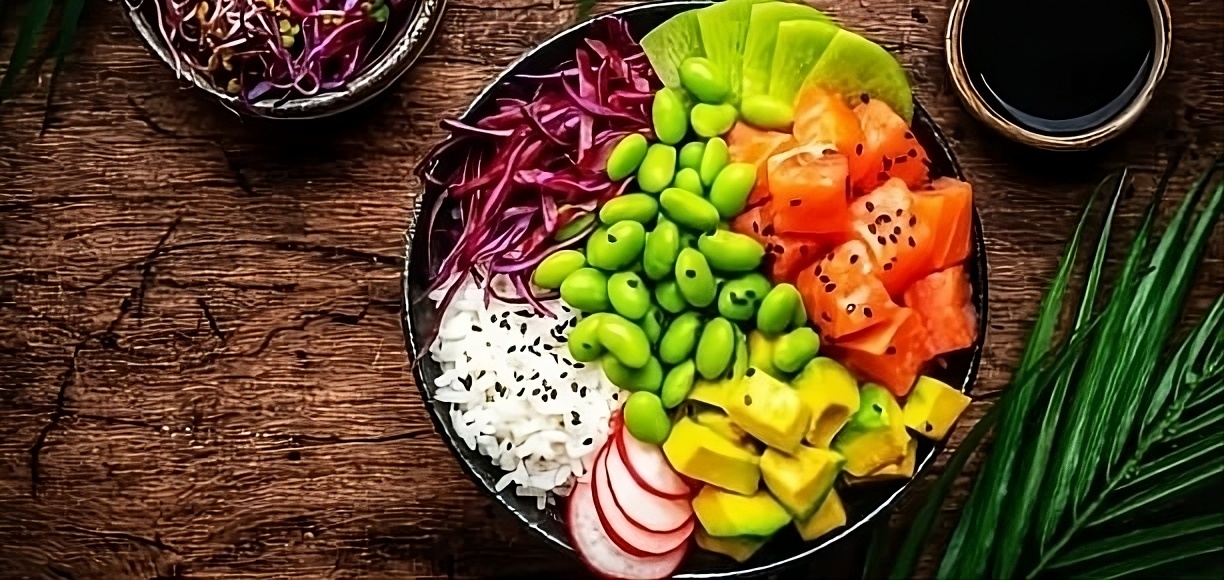
Poke bowl panic is back in the headlines, but the parasite causing concern is not in your ahi or papaya. Hawaii’s food scare centers around slugs and snails, not seafood. That distinction matters more than ever as sensational headlines leave visitors anxious and confused. So what’s going on, and should travelers be worried?
What Hawaii has done to protect visitors.
Hawaii’s Department of Health has been tracking rat lungworm disease for years, and public education about it is not a new phenomenon. Outreach campaigns have focused on high-risk communities and regions, including parts of the Big Island where cases are more common. More recently, the state added RT-PCR testing to speed up diagnosis, and the University of Hawaii has played a key role in community awareness and prevention efforts.
Restaurants and food providers already operate under safety rules that dramatically reduce the risk. The real issue is not what you are served at a Waikiki café or Big Island resort. It is what might sneak into your salad from a backyard garden or roadside stand if it is not washed properly.
How the brain parasite scare started in Hawaii.
The current media frenzy started with recent stories warning that Hawaii is the epicenter of a brain parasite threat. The disease in question is neuroangiostrongyliasis, also called rat lungworm disease. It is caused by a parasite that uses rats, slugs, or snails to complete its lifecycle. Occasionally, humans become accidental hosts after consuming contaminated produce.
While that sounds alarming, the parasite has been present in tropical regions for decades. From 2014 to 2023, Hawaii reported 80 confirmed cases. That is across nearly a decade, not in a single year.
Meet the parasite behind Hawaii’s latest food scare.
The technical name is Angiostrongylus cantonensis. It lives in rats, which shed larvae that infect slugs, snails, and sometimes frogs or freshwater shrimp. If a human unknowingly eats one of those larvae, it can travel to the brain and cause meningitis-like symptoms. In rare cases, those symptoms can be severe or even disabling.
This illness is serious, but it is not a new phenomenon. The conditions that allow infection to occur are very specific. You must consume raw or undercooked infected slugs or snails, or eat unwashed greens that have one on them.
It is not something that happens from ordering a poke bowl at a restaurant.
The real foods to watch out for in Hawaii.
The parasite is not in ahi, papaya, pineapple, or the tropical fruits and seafood that most visitors enjoy. The actual risk comes from raw leafy greens that are not properly washed, especially in wetter regions where slugs are common.
Visitors staying in vacation rentals who shop at farmers markets or pick greens from a garden should be especially cautious. Slugs can be tiny and nearly invisible when tucked into lettuce or kale. Blending them into a smoothie is one of the sometimes cited risks, because once pureed, the parasite is still alive but impossible to see.
How Hawaii visitors can stay safe without overreacting.
If you are eating at restaurants, resorts, or grocery stores, the risk is extremely low. These places adhere to food safety regulations and source their produce from inspected farms.
If you are preparing your food, take a few simple precautions to ensure your safety. Produce like spinach, romaine, basil, and green onions should always be washed leaf by leaf. A quick rinse will not suffice. And if you spot a slug in your greens, consider tossing the whole thing. No one wants a side of parasites with their salad.
Avoid drinking catchment water unless it has been filtered and treated. Most visitors will never encounter that setup, but it is worth noting for those headed to off-grid accommodations.
The Hawaii regions where risk is real.
The east side of the Big Island, especially around Hilo and Puna, is where most rat lungworm cases have been documented. That is due to the high rainfall, dense vegetation, and presence of the semi-slug, a small and highly efficient carrier of the parasite.
Other islands have had occasional cases, but the risk drops significantly in drier areas or places with less vegetation. If you are staying in Waikiki or at a beachfront resort in South Maui, your risk is minimal unless you are picking and eating wild greens.
What the media got wrong about Hawaii’s brain parasite.
Some news outlets went all in on scare tactics, calling Hawaii the epicenter of a brain parasite threat while glossing over how this happens. They left out critical facts, such as the role of slugs on unwashed produce, and implied that poke bowls were somehow part of the risk. That’s not just misleading—it’s lazy reporting, and it does a disservice to visitors and Hawaii alike.
The headlines make it sound like Hawaii is ground zero for a brain parasite apocalypse. That is far from the truth. This parasite exists in tropical climates worldwide, and Hawaii is no more dangerous than other warm, wet places.
Most troubling is the implication that raw fish dishes or local fruit are part of the risk. They are not. If rat lungworm were in poke bowls, we would have thousands of cases by now. That simply is not happening.
The real problem is a handful of cases each year, almost all of which are linked to leafy produce grown in areas prone to slugs and eaten raw. That does not mean the disease is not severe. It means the headlines missed the mark.
Would you still order the poke bowl?
Hawaii’s food scene is world-renowned, featuring fresh poke, tropical fruits, and famous plate lunches. Nearly all of it is perfectly safe when handled properly. That includes your next poke bowl.
So what do you think? Would you still order a poke bowl in Hawaii, or does this scare have you rethinking your next meal? Share your thoughts below—we want to hear what Hawaii travelers have to say.
Get Breaking Hawaii Travel News





I’m wondering if the back of the kitchen salad washers care enough to make sure that the greens are clean. I doubt they are washing the lettuce leaf by leaf as you advise.
It’s not just what you describe as backyard greens, because restaurants commonly buy produce from local farms, and are proud of that!
You are citing a location as dry, but that’s not where restaurants get most of their greens.
I don’t think this should be minimized at all until the problem disappears!
I have another reason to dislike kale, but I could and would eat poke all day long.
I had just read an article on SF Gate with the headline ……”‘Don’t eat raw food’: The terrifying threat lurking in Hawaii; Hawaii is ground zero for the parasitic disease, which can infect the brain”……before clicking over to BOH. Thanks for providing additional, specific information about this issue.