

Here’s something you won’t find in a brochure: the famous Hawaii beach isn’t always the beach we would choose. Not because it stopped being spectacular. The postcard view is still there. But what the whole experience is about has changed: the reservation that didn’t happen, the lot that filled before you even got there, and the admission fee nobody mentioned.
That’s the part most beach lists leave out. They rank the sand and the water. The better question is what kind of experience you actually have once you try to go there.
So here’s our version, island by island: the beach everyone tells you to see, and the one we’d actually think of driving to instead.

Kauai.
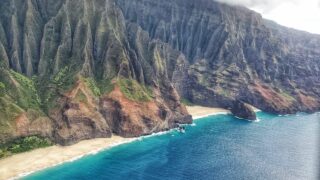
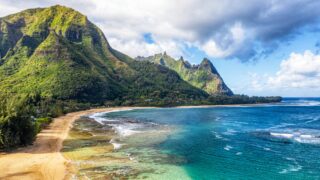
Famous: Kēʻē. It’s the beach at the end of the road, the gateway to the Nā Pali Coast, and the image that still dominates Kauai bucket lists and Instagram. Getting there now takes more than wanting to go. Reservations open 30 days out; the daily cap is 900; there are no same-day tickets; and vehicles without a reservation are turned around. Driving in costs $5 per person plus $10 to park. The shuttle from Waipā is the backup once parking sells out, but at $40 per person round trip, it can cost a family more than the car option, and those seats sell out too. Slots can disappear within minutes of release.
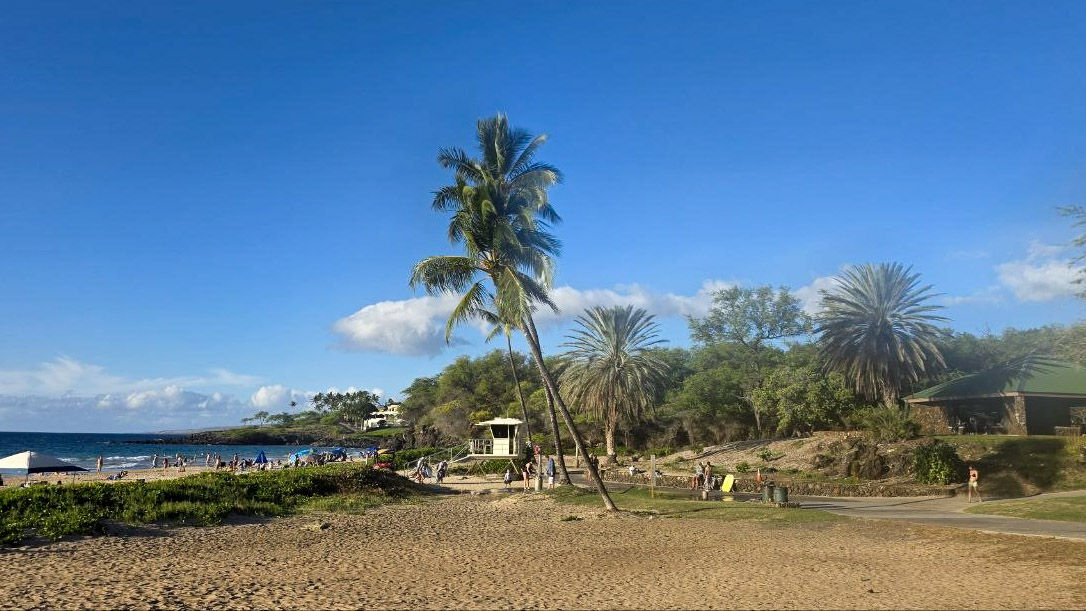
Worth it: Salt Pond. Our own go-to is Hanalei, but that has become crowded, and parking is tight enough that it is no longer the clean visitor swap it once was. Salt Pond still is. This West Side county beach still has something rare on Kauai now: simplicity. Free entry, easy parking, lifeguards, a reef-protected swimming area, and, as you can see, one of the island’s best sunset settings. It’s also tied to a place and tradition visitors can’t manufacture, where generations of salt-making families still work the beds nearby. This better beach day doesn’t require any reservation or advance planning at all.

Oahu.
Famous: Lanikai. The postcard that launched a thousand Instagram feeds has twin islets, pale sand, water the color of a travel brochure. What the photo never shows is the parking. There’s no public lot. You circle a residential permit zone where the tickets, tow trucks, and resident anxiety are real, and there’s no lifeguard once you’re on the sand.
Worth it: Waimanalo Bay. A few minutes up the coast, the same turquoise water stretches for miles. There’s room to spread out, a lifeguard on duty, and a lot you can actually park in, for free.
One snorkel exception: Hanauma. If snorkeling is the whole point, the bay still has no equal on Oahu — but it runs like a scheduled appointment now. Reservations open two days ahead at 7 a.m. Hawaii time, non-resident adults pay $25, parking is $3, it’s closed Mondays and Tuesdays, and the last entry is earlier than most people plan for. The bundled shuttle-and-entry packages exist precisely because the gate got this complicated.

Maui.
Famous: Wailea. The South Maui trophy is manicured, resort-fronted, and a regular on national best-beach lists, which is exactly why everyone’s pointed toward it. The beach is public; the access is not always so easy. Resort-area parking is limited and fills early, while the nearby Kamaole lots now charge non-residents $10 a day, with residents-only parking until 10 a.m. on weekends and county holidays.
Worth it: Makena. Big Beach, for now at least, still feels like Maui before the signs, restrictions, and crowd management spread everywhere. Non-residents pay $5 per person and $10 per vehicle; residents enter free, and lifeguards are on duty. The beach remains one of the last places on Maui that still feels genuinely oversized and untamed. There’s a catch, though. Makena has one of the island’s strongest shore breaks, with a steep beach slope, powerful waves, and a long history of neck and back injuries. That is the tradeoff: easier access, an arguably better beach day, and no pretending the ocean there is always gentle.
Big Island.
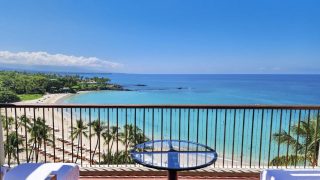
Famous: Mauna Kea. It’s the postcard crescent: pale sand, calm water, the beach the rankings love. And we do too! It’s also a public beach the resort tries to treat as nearly its own, with roughly 40 public stalls, a $21 parking fee for non-residents, a pass from the gate attendant, and a good chance of hearing “lot full” if you arrive too late.
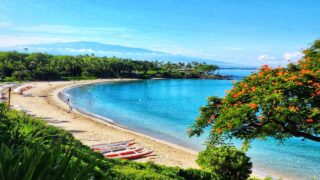
Worth it: Hapuna. One mile south sits a state park with room to spread out, $5 per person and $10 to park, no pass system, and no gate. It also happens to be the beach Dr. Beach named number one in multiple years. It’s a toss-up for us too. The same coast, same clear water, none of the strangeness.
The two beaches seldom mentioned.
There are still Hawaii beaches that do not fit the reservation mindset at all. Papohaku on Molokai (our lead photo) is one of them: long, wide, exposed, often nearly empty, and not built around the tourism industry that now surrounds better-known names. Lanai has its own version of that same experience: Hulopo’e, where the question is less about which beach ranks highest and more about whether you are willing to accept a far slower island on its own terms.
Neither belongs on a first-timer checklist for everyone. And that is exactly the point. Some of the best Hawaii beach days are found at places that nobody has packaged for you.
The bigger shift is hiding underneath.
The beach choices themselves are only part of this story. Hawaii now charges non-resident entry fees at 16 state parks. Lawmakers continue to advance proposals that would expand visitor fees even further, and, without question, those are coming.
Individually, none of these charges feels that dramatic. But they change the feel of a Hawaii beach. At Hapuna, a non-resident family of four now pays $30 before their towels ever hit the sand. At Kee, the same family driving in pays $30 as well, if they can get the reservation, or far more for the shuttle if they can’t. The issue is not that every beach is expensive. It is that more of Hawaii now comes with gates, fees, reservations, or all three.
That’s why the better Hawaii beach isn’t necessarily the prettier one. It’s the one that still lets you show up easily.
Lead Photo: Papohaku Beach on Molokai. All photos © Beat of Hawaii.
Get Breaking Hawaii Travel News


Waimanalo…..?? You’d better prepare to be robbed. Your car will definitely be broken into. It is beautiful but beware
I still very much enjoy going to Kee Beach even with the entry fee (grumble). Salt Pond may be in some ways better, but it’s an hours drive, Kapaa crawl and all, and maybe $40 worth of gas, from Princeville. Given the way things are headed, at some point Salt Pond won’t be free either.
I agree that Papohaku is amazing, and considering Molokai’s attitude towards development, it never will be crowded.
I love Spencer’s beach on big island. I have been going there since i was 3 yo. I am retired in Oklahoma but i visit Kawaihae every year.
We also love Anahola Beach Park on Kauai. Lifeguarded good swimming and no crowds !!