
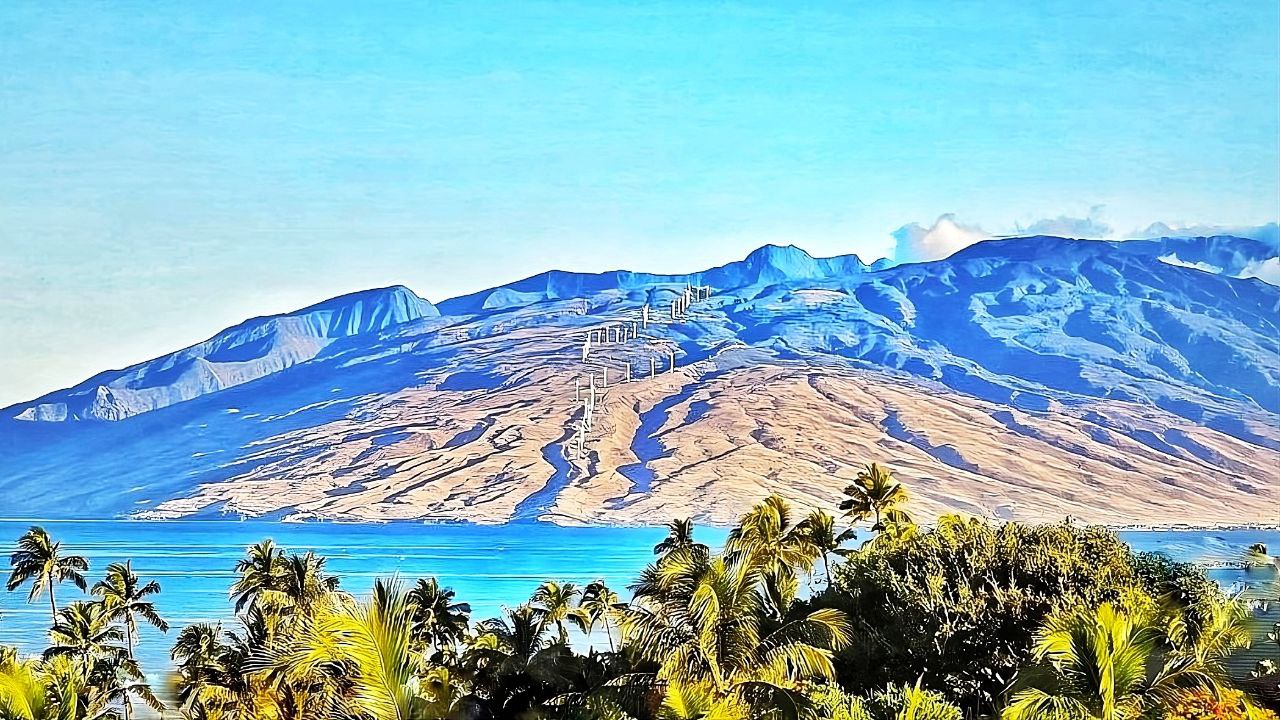
The first reports made it sound straightforward: a Maui-to-Seattle flight encountered fumes Saturday night and diverted to Honolulu. What was happening aboard Delta Flight 394 now appears considerably more involved. Both pilots were on oxygen, their eyes were burning, and the A321neo stopped climbing at just 5,000 feet while the crew tried to clear fumes that wouldn’t go away.
Those details weren’t in Delta’s initial account of the diversion. They emerged later in Aviation Herald‘s reporting, which describes what happened from shortly after takeoff through the landing in Honolulu. Another unexplained detail emerged on the ground: Delta confirmed that fuel was seen discharging from the aircraft after it landed.
The Maui flight stopped climbing at just 5,000 feet.
Flight 394 left Kahului Airport at 9:14 p.m. Saturday with 189 passengers, two pilots and four flight attendants. It was headed for Seattle, but the aircraft never began the normal climb for the five plus hour flight across the Pacific.
The crew stopped climbing after reporting fuel fumes aboard. Both pilots went on oxygen as the aircraft entered a hold while the crew worked through the problem, then headed directly toward Honolulu without climbing higher.
That puts a very different picture around a diversion initially described simply as involving fumes. Rather than encountering a problem over the Pacific and turning around, Flight 394 was still low, just over Hawaii, when the crew began dealing with it.
The Delta crew tried to clear the fumes.
Aviation Herald reports that the crew followed the smoke and fumes removal checklist, then depressurized the cabin, but the odor remained. After landing on Honolulu’s runway 08R, the pilots described the fumes departing Maui as “pretty significant” and reported that their eyes had been burning. The odor had diminished by then but was still faintly noticeable.
Both engines initially remained running after landing. As the cabin heated up, they shut the engines down and opened the doors for ventilation. The crew requested stairs rather than evacuation slides, and passengers eventually deplaned by air stairs before being taken to the terminal by bus.
Honolulu EMS said three women, ages 42, 31 and 27, suffered headaches and nausea after inhaling fumes aboard the aircraft. All three were transported to an emergency room in stable condition. Airport firefighters treated and transported another patient, while Delta separately said one flight attendant received medical attention. The reports don’t establish whether those last two references actually involved the same person.
Fuel was observed following landing at HNL.
Then came a detail we still don’t have an explanation for. Delta confirmed that fuel discharge from the aircraft was observed after Flight 394 was on the ground at HNL. Delta hasn’t said what caused the fumes, where the fuel seen on the ground came from, or whether any fuel was being discharged before the aircraft landed.
Delta said technicians would examine the A321neo and that the airline was reviewing “what occurred and how.” It also said it would work with aviation authorities on any broader review.
The aircraft, N530DE, didn’t return to service immediately. Aviation Herald reported Monday that it remained on the ground in Honolulu about 31 hours after landing.
When we checked FlightAware Monday morning, the aircraft still showed no flight after its Saturday night diversion to Honolulu. It shows as flying to Los Angeles come Tuesday. Passengers ultimately continued to Seattle aboard another Delta A321neo, N509DT, arriving about 11 1/2 hours late.
This is an aircraft we know well: A321neo.
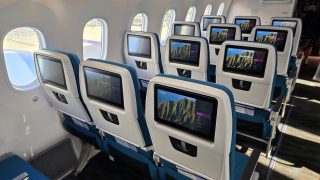
We’ve flown and reviewed Delta’s A321neo on Hawaii routes ourselves, and the type is now a familiar part of flying between Hawaii and the mainland on Hawaiian, American and Delta.
We’ve also followed fume events aboard Hawaii flights before, including one in which a flight leaving Honolulu stopped climbing, and crew members used oxygen before returning to HNL. More recently, we reported on another A321neo fume incident involving an aircraft used on Hawaii routes. Unidentified odor aboard an aircraft clearly gets immediate attention.
For Flight 394, the biggest questions remain unanswered. We still don’t know what produced the fumes, why they persisted after the crew tried to clear them, where the fuel observed after landing came from, whether it was present in the air, or whether those events were related. What we know now is that much more was happening aboard that Maui flight than Sunday’s first reports revealed.
If you were aboard Delta Flight 394 on Saturday night, please let us know what your experience was like.
By Rob and Jeff, Beat of Hawaii.
Some of the most meaningful parts of Hawaii are the ones visitors walk right past without knowing they are there. We’ve spent nearly 20 years finding them firsthand for BOH as full-time Hawaii residents reporting on travel, culture, and island life, and telling you what they mean for your trip. Join us →
Get Breaking Hawaii Travel News
So, we still don’t know what caused the fumes? Please keep us updated. I actually took the same flight from Maui to Seattle on my way to DC a few weeks ago and will return to Maui with Delta in less than 2 weeks. Would be nice not to deal with fumes…!!!