
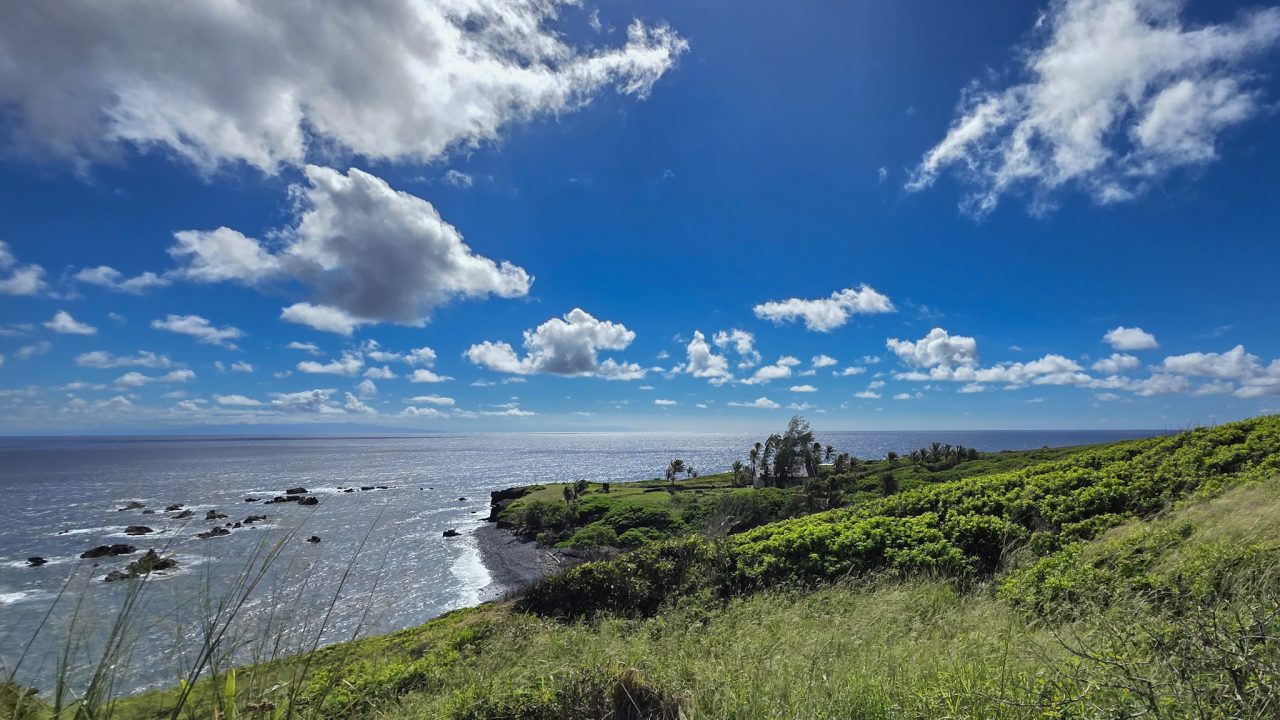
You saved a beach in your favorites months ago after seeing it online. The photo showed an empty stretch of sand, clear water, and almost nobody around, but when you arrive, the parking lot is already completely full, and the place looks nothing like the version that convinced you to go in the first place.
That experience is becoming part of Hawaii travel. The place is still public, still beautiful, and still completely legal to visit, but the uncrowded discovery you thought you had found disappeared before your trip ever began.
Residents in parts of Europe and on the mainland are now starting to keep favorite beaches, parks, and neighborhoods off social media and out of travel guides. They have watched one post turn a familiar public place into the next destination everyone needs to find.
Hawaii, on the other hand, seems to have passed that point years ago. We have already seen what happens when a place moves from something people use in their everyday lives to somewhere visitors arrive because they saw it online and are ready to Instagram it.
The first loss isn’t always access. Nobody necessarily installs a gate, starts charging admission, or tells anyone they cannot come. The beach remains totally open to the public, the road stays open too, and every visitor still has the same legal right to be there.
The change can be hard to see until you experience it yourself. You return to a place you have known for years and realize the beach still looks familiar, but almost nothing around it does.
Hawaii public places change long before anyone changes the rules.
There are beaches on Kauai that we’ve returned to less over the years. They were never private, and they were never hidden in any real sense. Anyone could drive there, spread out a towel, and spend an afternoon.
What made them memorable was not exclusivity. It was familiarity, built from the same families returning for holiday weekends, campers settling into favorite spots, and conversations continuing from one visit to the next. We’d often run into the same neighbors time and time again.
Those places felt connected to daily island life because the people using them gave them a distinct rhythm. Visitors could step into that rhythm without necessarily realizing it was even there.
Over time, the experience began to change.
You see it before you find a place to put your towel. The lot filled hours ago, so cars idle along the shoulder waiting for someone to leave, and the walk to the beach passes a line of rentals parked where no one used to park at all.
The sand that looked empty in the photo is a row of beach towels and snorkel gear by mid-morning, and the quiet cove somebody promised is an ongoing rotation of groups arriving, shooting the same photo, and soon moving on. Nothing here is broken, and nothing is off-limits either. There are just far more people looking for the same thing than the place was ever intended to hold.
That’s an uncomfortable thing to write because it can sound as though residents believe they own public beaches. They do not, and neither do we. Yet this phenomenon is very real.
Visitors have every right to enjoy a county beach, a state park, or a public road. What the law cannot preserve is the social character that develops when the same community returns to the same place, week after week, summer after summer, holiday after holiday, over many years.
A beach can remain physically unchanged while the life around it becomes something entirely different. The sand is still there, the water still looks the same, and the entrance remains open to all, but the regulars who once shaped the experience may gradually just stop coming. And so it is.
Social media did not close the beach. It merely changed who was standing there photographing it.
Beat of Hawai readers recognized the pattern before we did.
We saw that most clearly after publishing our article about Maui’s Back Road to Hana. The road is public, appears on maps, and has been written about for decades. It can legally be driven when conditions allow, and we expected the response to focus on the drive itself. But it did not.
Instead, much of the conversation became about whether we should have written about it at all. Some readers argued that we had exposed another place that should have been left alone, while others responded that a public road cannot be treated as a private secret. Clearly, this isn’t easy.
We heard similar reactions after writing about Oahu’s North Shore and Kaʻena Point. Different islands, roads, and beaches produced remarkably similar concerns.
Looking back, those readers weren’t ever really debating maps or directions. They were debating what would happen after enough people arrived.
That may be the contradiction that modern Hawaii travel created. For years, visitors have been encouraged to get beyond Waikiki, skip the obvious attractions, and find the “real Hawaii.”
And Hawaii visitors followed that advice exactly as intended. At the same time, residents watched lines of rental cars begin appearing in places that had long felt like extensions of neighborhood life rather than visitor destinations at all.
Neither side was entirely wrong. Visitors did what they’d been encouraged to do, while residents experienced what happened afterward.
The Hawaii hidden-beach promise contains its own ending.
Travelers have always shared discoveries. Guidebooks did it, friends did it, and Beat of Hawaii has done it for two decades.
What is different is the speed and scale of change. A place that once spread slowly by word of mouth over decades can now reach millions of people through one viral video before the roads, parking, restrooms, or lifeguard coverage have ever changed at all.
The Hawaii beach-changing crowd arrives faster.
The language used to describe these places makes the cycle move even faster. A beach is called hidden, local, authentic or undiscovered, and the promise is that the visitor will experience something authentic that other travelers have missed.
Enough people receive the same promise, and everyone arrives looking for the same uncrowded experience at the same time. The photo may have been real when it was taken, but once it reaches enough people, it starts creating conditions that make the image impossible to repeat.
That doesn’t mean the beach is ruined. It does mean that the phrase “hidden gem” has become increasingly detached from what the visitor will actually encounter. The place may still be worth visiting. It’s just that it may no longer offer the experience that was originally used to sell it.
Popularity changes places in Hawaii before the government does.
The public conversation usually begins too late, given today’s viral speed. Most people notice a place only after reservations appear, parking becomes difficult, or a new fee is introduced. Those are visible changes, so they naturally become stories. In reality, they are usually the very last chapter.
By the time Hawaii begins to limit vehicles, require advance or timed reservations, or charge nonresident entry fees, the first transformation has already occurred. The roads have filled, parking has clearly overflowed, and the experience people came looking for has already been slipping away.
Waianapanapa State Park on Maui clearly illustrates that progression. The black sand beach that became one of the defining images of the Road to Hana now requires advance reservations for nonresidents, who choose an arrival window and pay roughly $10 to park plus $5 per person before entering.
The reservation system began in 2021 after traffic and visitor pressure had already reached the point where open access no longer worked. Camper van camping is also suspended from July 2026 through March 2027 while a new comfort station is built, even as day visitors continue to use the timed-entry system.
Diamond Head reached the same point from another direction years ago. The state added reservations for out-of-state visitors in 2022, turning what many once treated as a spontaneous hike into another part of a Hawaii trip that must be booked ahead.
The specifics obviously differ between this black sand beach and a volcanic trail. The direction doesn’t, and in both cases, the restriction arrived long after popularity had already entirely changed how the place functioned.
The same pattern has reached more of Hawaii’s public spaces.
The same approach reached four more public parks in early 2026, including Wailua River on Kauai, Wailuku River and Kekaha Kai on Hawaii Island, and Puu Ualakaa on Oahu.
Residents still enter for free with a Hawaii ID, while nonresidents now pay at all four. We covered the expansion when it was announced last November because it showed managed access moving far beyond what many people think of as Hawaii’s most famous attractions.
Wailua River sits on our own island, which means we can watch that change unfold firsthand rather than through a state announcement. The fees are new, but the pressure that produced them is not.
That is the part most visitors just never see. The payment kiosk arrives at the end of a much longer process in which a public place becomes more popular than the parking, roads, and facilities were ever built to handle. By then, the place may already feel overrun to everyone using it.
Haena State Park shows what managed access can still save.
Haena State Park on Kauai offers another possible ending. Its reservation and transportation system made spontaneous visits more difficult, but it also reduced the long, unsustainable crush of vehicles heading toward Kee Beach and the Kalalau Trail while easing pressure on nearby communities.
Anyone who remembers driving to Kee before the cap probably remembers the traffic and lack of parking as much as the destination. Cars lined the road, parking spilled into places never intended to hold it, and the experience inside the park was defined by the congestion outside.
The reservation and shuttle system changed that, no matter how you feel about them. Visitors now plan ahead rather than arriving on impulse, and those who do get in definitely encounter a calmer park than they would have found in the years when unlimited vehicle access simply overwhelmed the area.
The state has said the system improved the visitor experience while reducing impacts on surrounding communities and park resources. That doesn’t return Haena to another era, and no reservation system can recreate the exact local character that once existed. What it can do is stop the next stage from becoming even worse.
That may be the most realistic definition of success available after a public place becomes globally known. The goal is no longer to keep it secret because that moment has long since passed. The goal is to keep popularity from erasing everything people came to experience in the first place.
We have become more careful, too, about describing Hawaii.
Beat of Hawaii has spent nearly two decades pointing readers toward places they might otherwise have missed, and we have never believed visitors should stay penned in the resort districts. That is antithetical to the nature of Hawaii travel.
What the conversations after our Back Road to Hana coverage, and later our North Shore and Makaha pieces, forced us to sit with is that every recommendation changes the place it names, sometimes too little to notice and sometimes not.
We do not think public beaches, roads, or parks become private because longtime users wish they were quieter. We also understand why a reader tenses up watching a place that felt woven into daily life turn into something known mostly through travel content. Both are true at once, and that is the tension this whole piece sits inside.
For years, Hawaii visitors heard the same advice.
Leave Waikiki, skip the tourist traps, and find the real Hawaii. That advice did not come only from social media influencers. It came from guidebooks, travel magazines, websites, and sometimes even from us.
Visitors listened, and enough people followed that advice that many of the places representing the real Hawaii gradually became destinations in their own right. The qualities that made them feel different from the better-known attractions became harder to find as more people arrived looking for exactly those qualities.
That does not make visitors the problem in any sense, nor does it make residents gatekeepers. It means public access and local character are not the same thing.
A public beach can remain open even as it loses the community that once gave it its identity. A public road can remain on every map, while longtime users begin to feel it has become something entirely different.
The visitor who saved the beach online may still find clear water, soft sand, and the same view that appeared in the photo. What they may not find is the quiet, uncrowded place the photo promised, because everyone else saved it too.
Is there a Hawaii beach, park or road that feels different to you today than it did years ago? What changed?
Lead Photo Credit: © Beat of Hawaii on the back road to Hana.
By Rob and Jeff, Beat of Hawaii.
Some of the most meaningful parts of Hawaii are the ones visitors walk right past without knowing they are there. We’ve spent nearly 20 years finding them firsthand for BOH as full-time Hawaii residents reporting on travel, culture, and island life, and telling you what they mean for your trip. Join us →
Get Breaking Hawaii Travel News

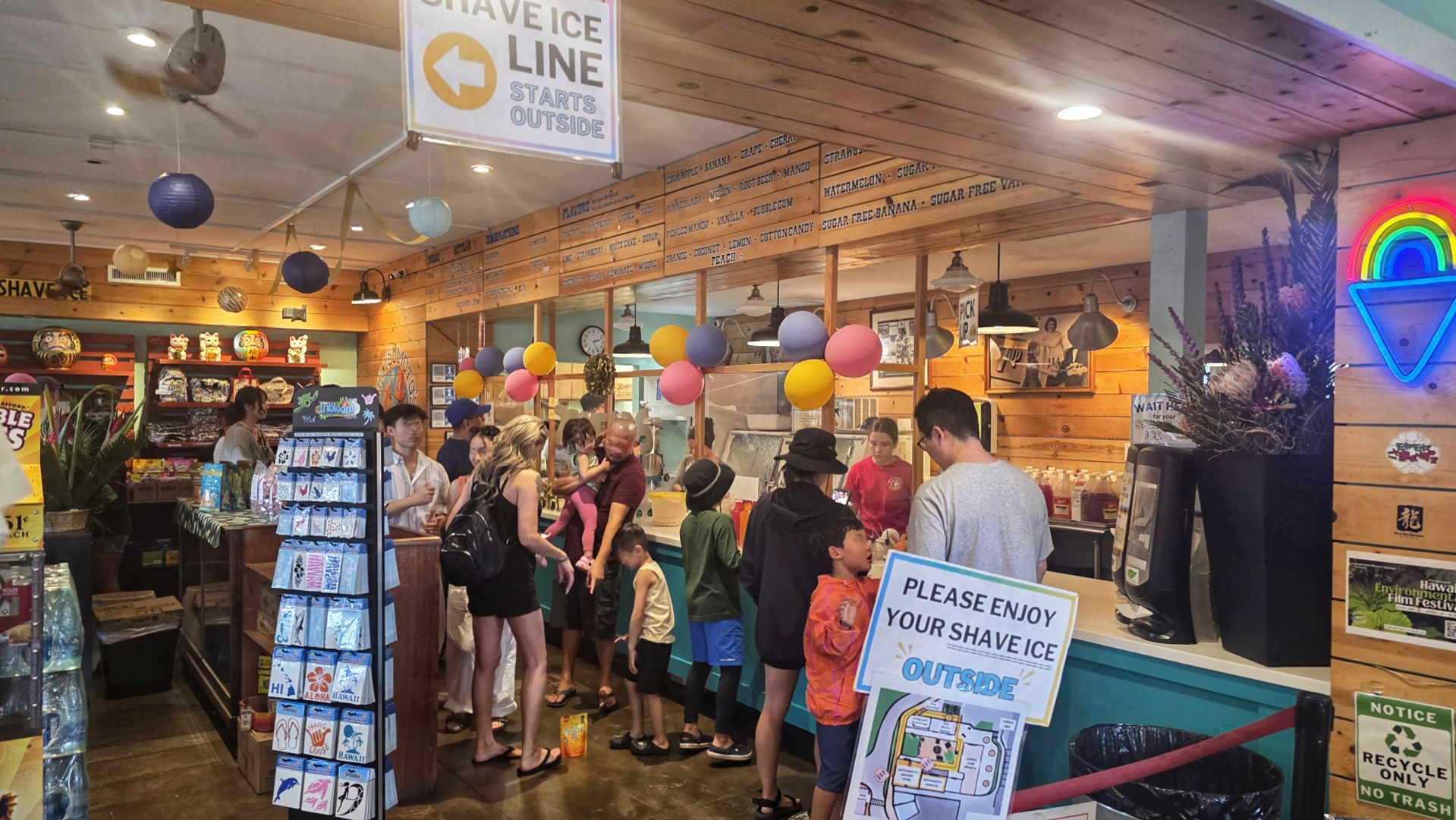
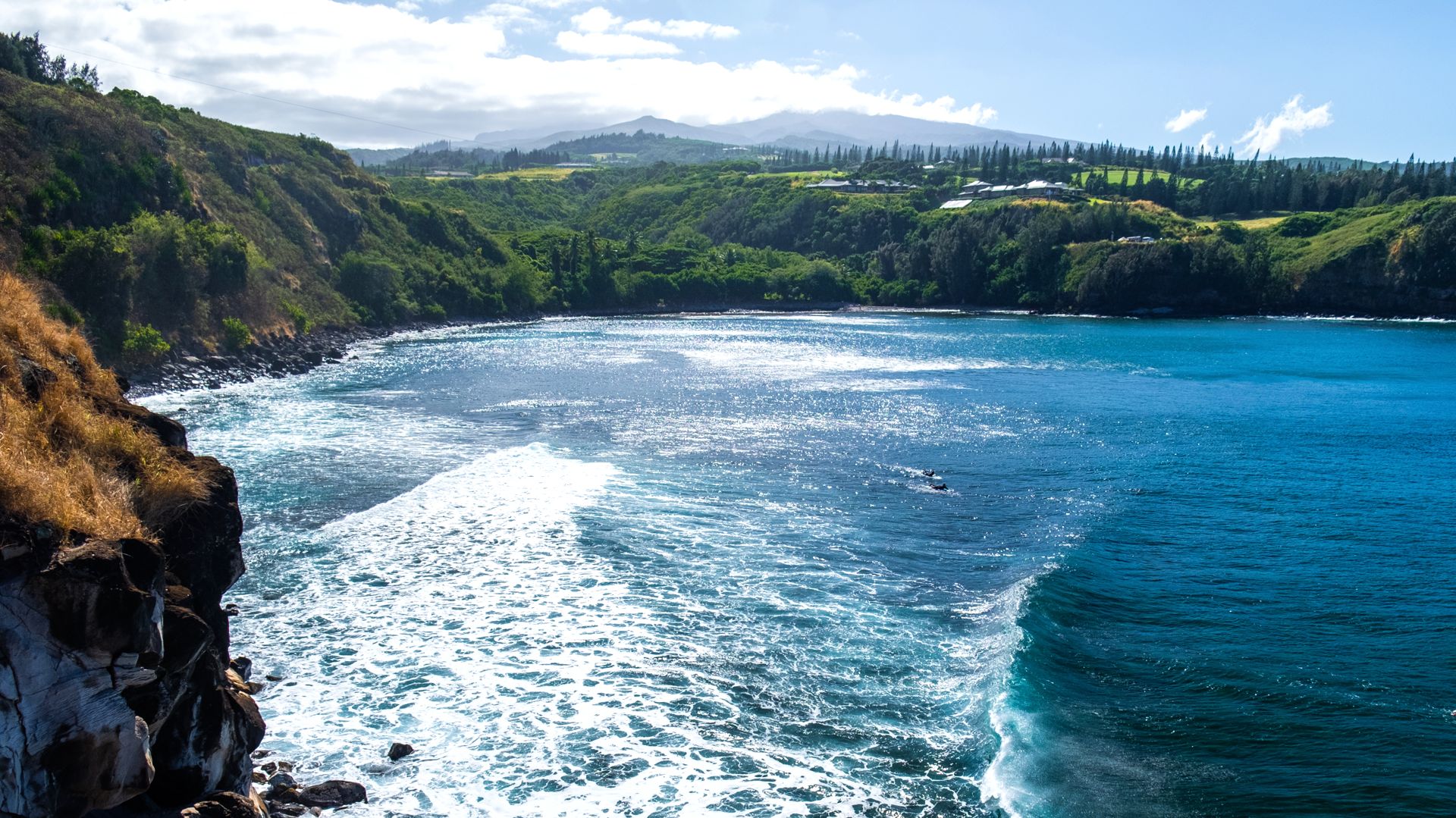

My strategy for finding hidden gems in Hawaii is the same as it back home in Colorado. Drive a Jeep and find some rough backcountry roads to explore that 99% of tourists would never dare to drive. This works best on the Big Island which has the largest network of 4×4 roads. I’ve spent whole days on South Point and along the R1 road on the back side of Mauna Kea and not seen a soul. Of course there’s risk in doing that and it’s not for everyone, but it’s worth it to see parts of Hawaii most people will never see.
But yeah, as for places normal tourists can go, Hawaii is a chain of relatively small islands where the interiors are mostly massive private ranches and the only publicly access places are in a narrow band along the coast. Google Maps and guidebooks exist. Nowhere is really hidden or unknown. If there’s one thing the modern world is good at its disseminating information. Not a good environment for anything that depends on secrecy or information asymmetry.
Old people there’s this thing called Google Earth, look it up and you’ll see there’s no secret place’s or beaches anywhere on the planet let alone Hawaii.
Same thing happened to Chinque Terre
Kuhio Hwy. The reason- Too many people on it at the same time.
The unfortunate consequences of social media and FOMO.
I never tag or identify some of my favorite spots on social media. There are still a handful of quiet hidden spots left, but only a precious few. Most locals are determined to keep them from FOMO tourists and Instagrammers.
Where do I start? From the mid 70’s to the late 80’s every beach on Kauai was considered ‘crowded’ if there was more than 1 other party there. Even Hanalei Bay on a weekend had less than 20 or 30 people. Donkeys, Moloaa, Larsen’s, Pila’a, Kahili, Secret and many more, were all yours to enjoy exclusively. I tried my best to always advise potential visitors that it was better to visit Maui or Oahu. I’d tell them it doesn’t rain has much on those islands. It was futile, and the days of having the whole beach to yourself faded away. The secret was out. Kauai is the gem of the Hawaiian Islands. All in jest, I know everywhere has changed over the last 40+ years, but I still return to Kauai yearly and will again next year for my 52nd year.
My wife and I have been visiting Hawaii sine our 1985 honeymoon in Maui. We have witnessed the explosion in growth caused by the success of the state’s drive to increase its tourism industry, to the point where we are now questioning whether we will make another visit. For perspective we spent 9 weeks in Maui this past spring.
The solution to the overcrowding problem is simple – use capitalism in your favor. Double the costs of everything and thus halve the number of visitors (for example). While my numbers are not necessarily exact, the principal applies. Then the
locals can quit complaining about the visitors while happily spending the money they bring in, and the visitors will have a much better experience.
Laniakea Beach
“What is different is the speed and scale of change. A place that once spread slowly by word of mouth over decades can now reach millions of people through one viral video before the roads, parking, restrooms, or lifeguard coverage have ever changed at all.” That says most of it. The Instagram photo group go from spot to spot snapping the “perfect” photo and unfortunately, it’s an unrealistic experience for someone thinking they can go and spend time.