

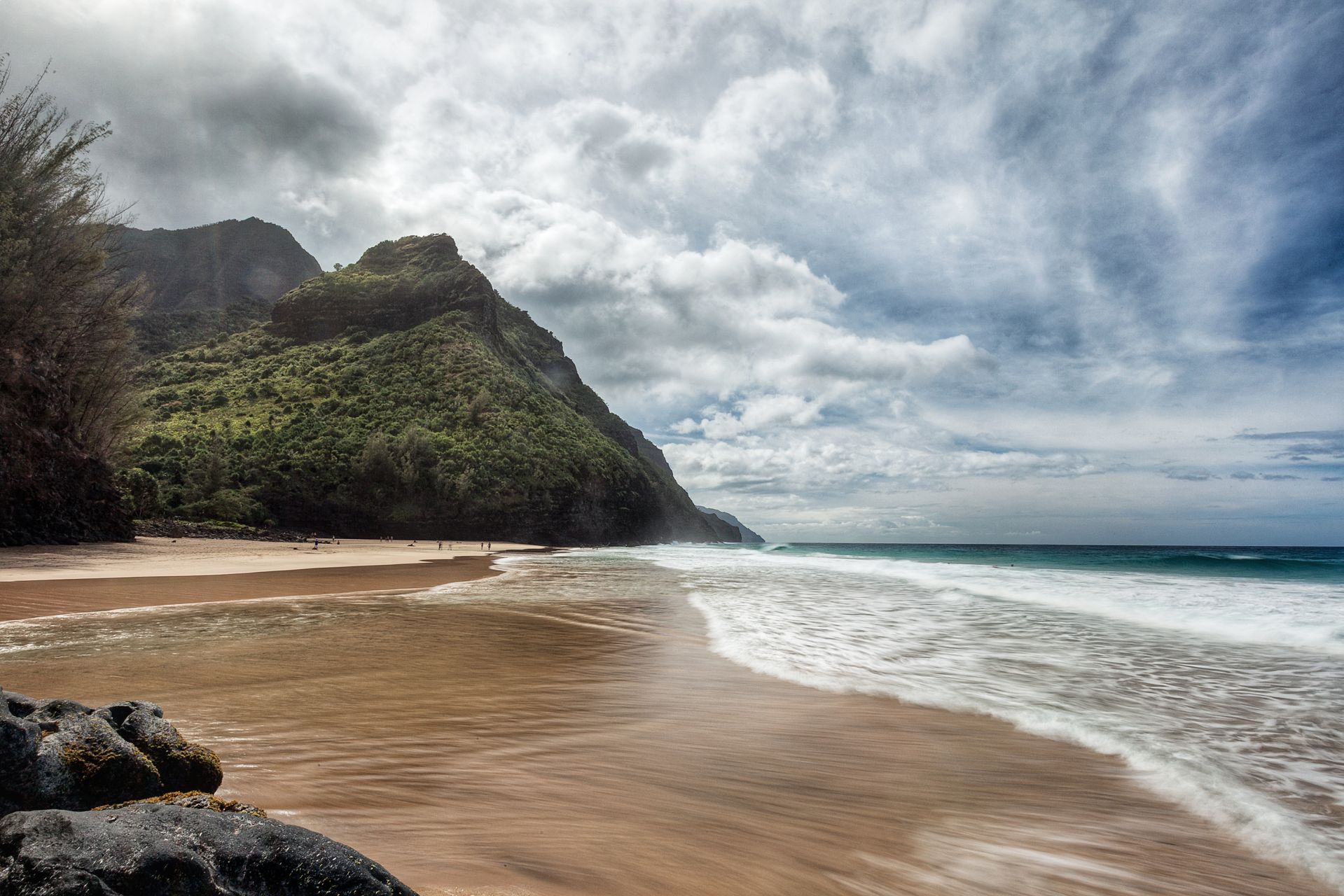
The Kalalau Trail has always been one of Hawaii’s most breathtaking and iconic hikes, but this summer, it has become something else: a danger zone. The surprising part of last week’s rescue wasn’t just that a 31-year-old visitor from Wisconsin collapsed from heat stroke — it was where it happened.
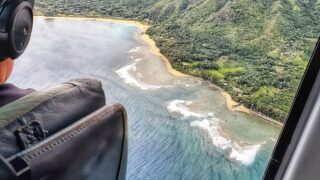
The hiker made it only a mile and a half in on what should have been an easy day hike. Others on the trail cooled him down until the Air 1 helicopter arrived to airlift him to safety from one of Hawaii’s most famous trails.
It is the latest in a string of rescues showing a quiet but significant change. For years, the dangers of Kalalau have been flash floods, slippery cliffs, and, more than anything else, twisted ankles. Footing is unpredictable, shifting from dry rock to slick red Kauai clay within a few steps, and some stretches narrow to the width of a balance beam with nothing but air on one side.
The trail surface can crumble without warning, especially after light rain, and mud can cling so tenaciously that hikers, including editor Jeff, have been known to throw away their boots at the end. This time, the threat is heat, and it is catching hikers off guard.
A new kind of rescue season.
Kauai Fire Department officials said the Wisconsin hiker was flown to Princeville after suffering from what they described as heat stroke on October 3. It followed a July 24 rescue in which two Texas visitors, ages 44 and 45, were also airlifted from Kalalau. One was also treated for heat exhaustion, while the other had an ankle injury. Back in April, a Tennessee visitor was treated for apparent heat illness about a mile up the very same trail.
That pattern may not sound dramatic, but for those who follow the Kalalau storyline, it is a new development. The island’s rescue teams are more accustomed to being called out after heavy rain, rather than heavy sun. This year has been different.
According to the Department of Health, the Honolulu Fire Department now mentions dehydration in nearly every hiking rescue report. State toxicologist Diane Felton recently described heat illness in Hawaii as “an interesting animal,” one that develops quickly in humid, windless conditions. The combination of high temperature, humidity, and little wind can overwhelm even fit hikers before they realize what is happening.
Hawaii’s brutal summer of heat.
Even long-time residents say this has been one of the hottest summers in memory. Lihue hit 92 degrees multiple times in August, which is rare for a town that usually averages highs around 80. On Kauai, the trades often disappeared by midday, leaving the air still and heavy.
Trails like Kalalau turned into slow-cooking fire pits where the heat built and stayed. For visitors arriving from cooler climates, it has been a shock, and for those of us who live here, it has been exhausting. Conversations about the unrelenting heat have become part of daily life.
The Kalalau Trail offered little relief. We have hiked this trail to Hanakapiai for decades, and this summer was the first time we stayed away. It was too hot to enjoy, too draining to justify. Friends who did go told us the difference between starting at first light and at eight o’clock was the difference between tough and miserable.
Heat illness behaves differently.
Unlike a twisted ankle or fatigue, heat stroke can strike without warning. Early signs, such as nausea, headache, and weakness, often seem like the result of regular exertion. The body stops cooling itself efficiently when the air is still and humid, and that false sense of being “just tired” can turn into a serious condition quickly. Once your body temperature rises, disorientation and collapse can occur within minutes. Without quick cooling, the condition can become fatal.
Air 1 can reach Kalalau quickly, but help is never instant here. The trail’s distance, wind conditions, and limited landing zones all add time. When the heat wins, even a short wait can feel endless.
The strain on rescuers.
Kauai’s Air 1 has become a too-familiar sound along the Na Pali Coast. Each mission requires trained pilots, medical staff, and firefighters to work in unpredictable wind and steep terrain. When an emergency turns out to be preventable, or when rescued hikers refuse treatment, it frustrates both the crews and residents who are aware of the risks.
Kauai Fire Chief Michael Gibson said after July’s incident, “Each call diverts crews from other emergencies.” He added that distinguishing between actual medical distress and simple exhaustion is becoming increasingly complex as conditions evolve. Heat-related calls have added one more challenge to an already demanding job.
What hikers should really know about the heat.
- Bring more water than seems reasonable. You will drink it. In hot weather, a quart per hour is about right, but most people underestimate how much they lose.
- On Kalalau, that means a hydration pack plus a backup plan to refill from streams. The old “one bottle is fine” mindset no longer works.
- Start early and mean it. The first light at Kee Beach is cool and calm, but by midmorning the sun is bouncing off the valley walls like an oven. The difference between a six a.m. start and an eight a.m. start can be the difference between finishing strong and calling for help.
- Watch for the warning signs. Dizziness, nausea, or muscle cramps are the body’s way of saying stop now, not later. When sweating suddenly stops and thinking gets fuzzy, that is heat stroke, and it can turn serious fast.
- Give yourself time to adjust. Visitors coming from cooler places often try to hike hard on their first day. Even the short two-mile trip to Hanakapiai Beach can feel endless if your body hasn’t caught up to Hawaii’s humidity.
What this means for Hawaii hikers.
As Hawaii warms, the same trails that once tested endurance now test common sense. The danger isn’t dramatic; it builds quietly until someone suddenly can’t go on.
This doesn’t mean skipping Kalalau. It means reading the signs and knowing when the trade winds are gone, the sky is still, and it’s better to wait for another day. The trail hasn’t lost its beauty, but the way you approach it has to change. Checking the forecast now means more than looking at surf or stream levels. Temperature and timing matter just as much.
And it isn’t only Kalalau. Shorter hikes across Hawaii that look easy on paper all share the same new reality. They are still worth doing—just not without respect for what the heat can do.
The takeaway.
The goal isn’t just to reach the end of the trail or wherever you are in the islands. It’s to make it back home safely, with stories to tell that don’t involve a rescue helicopter.
Have you hiked Kalalau or experienced Hawaii’s summer heat this year? We invite your comments.
Get Breaking Hawaii Travel News




On our last trip to Maui, we drove down to the Ahihi-Kinau marine nature preserve and to the lava fields. A young couple was hitchhiking there, both without a hat, no water bottles and flip flops for footwear. They had taken an Uber there and couldn’t get a signal to call for a ride back. Since it was a blistering 95 degrees, we picked them up and gave them a ride back to their hotel (along with a lecture on being better prepared). You can’t fix stupid.
The Kalalau trail is unsafe and deadly, it should be closed so that first responders do not have to make rescues.
This resonates with me. We did the 2 mile portion to the beach last October. Being from Colorado and having hiked my entire life, including 14ers, this was in a league on its own! Not only due to the heat, but the trail maintenance was more extreme than any website or reviewer admitted (such as All Trails saying it’s “easy to moderate”). I’m glad that BOH and other media outlets are being honest about this beautiful but difficult trail.