
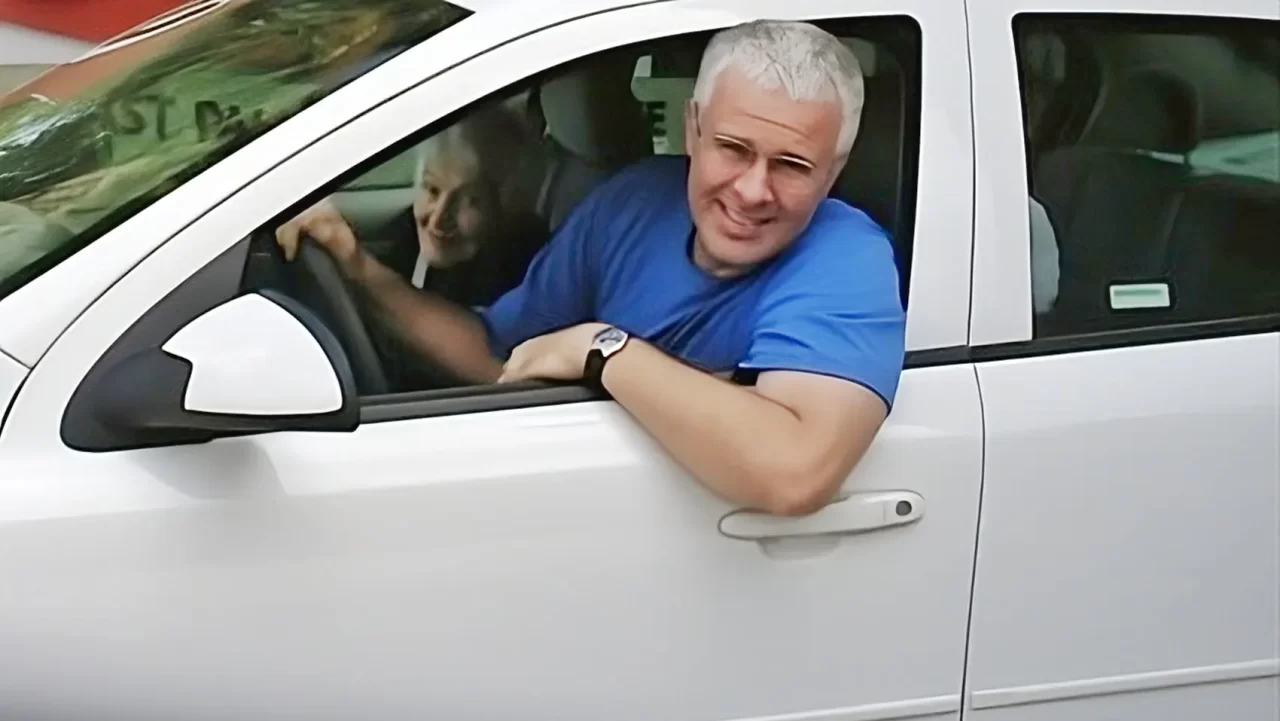
As Hawaii’s speed cameras officially began issuing citations November 1, drivers are discovering a troubling pattern: tickets from the warning period are still arriving many months late. One longtime resident told us he received his April citation in October, a full six months after the alleged violation. His question: “How does getting a ticket six months later help anything?”
The pattern is consistent across Hawaii. Warning letters from April are still arriving in October, confusing drivers just as the real citations begin. Rental car companies will be adding processing fees that can reach $50 to $100, and the standard fine remains $250. No explanation from the Department of Transportation.
Why Hawaii’s delayed speeding tickets are causing frustration.
What the Hawaii Department of Transportation does say is that the program’s goal is safety, not revenue. But delayed notices undermine that claim. When drivers learn months later that they were cited, there’s no immediate deterrent or opportunity to adjust their behavior. For a system advertised as educational, the delay instead feels punitive and reminiscent of the van-cam program that public anger shut down two decades ago.
HDOT’s February 28, 2025, report claimed that red light cameras at 10 Honolulu intersections reduced major crashes by roughly 69% since their activation. Those gains are real, but the department has not publicly explained why some citations are taking months to be processed.
HDOT’s lack of transparency fuels frustration.
HDOT has not publicly addressed the delays. Whether they stem from staff shortages, data backlogs, or vendor issues, the lack of transparency is fueling frustration and reviving memories of Hawaii’s failed van-cam program from two decades ago.
Confusion over enforcement.
When Hawaii Speed Camera Fines Begin: What Drivers Need To Know first ran, many readers asked about the threshold. HDOT officials suggested a buffer of about five miles per hour over the limit before triggering a citation, though this isn’t written into law. Still, drivers remain uneasy. Some say that abrupt limit changes, especially along some streets, make it nearly impossible to stay exactly on the number.
Others want clarity on what counts as a red light infraction. Visitors have asked whether turning right on red after a rolling stop will result in a ticket. HDOT’s documentation shows that both speeding and red light violations are enforced at the same intersections. Still, red light citations apply only if the vehicle enters the intersection after the light turns red, not while it is still yellow.
Rental car companies and citations.
Since enforcement is tied to the license plate, citations are sent to the registered vehicle owner, usually the rental car agency. Most rental agreements allow companies to pay the ticket and charge the renter later, often adding a processing fee of $50 to $100. For visitors, that could mean receiving a notice or fee long after the trip ends.
Readers speak out.
Many drivers, both resident and visiting, see the rollout as unfair. Some call it a money grab. Others defend it as long overdue. One reader told us she has nearly been hit multiple times by drivers running red lights in town and welcomes the cameras at every intersection. Another said the limits are simply too low and that going five over on Beretania or Kapiolani shouldn’t cost $250.
A 67-year-old Oahu driver told us, “I drive to keep the flow. I don’t want people flipping the old man off. I adjust slower or faster to avoid hazardous conditions. Oh yeah, as a 67-year-old, I barely remember yesterday, let alone April.”
Across social media, the conversation continues to grow. Some drivers argue the state should first fix missing or obscured speed limit signs before issuing fines. Others note that Hawaii’s court system could face a backlog if thousands of drivers choose to contest late tickets.
Many readers feel this is more about squeezing wallets than preventing crashes. One commenter on a previous article wrote, “It’s all about getting more money and nothing more.”
Is Hawaii’s speed camera program about safety or revenue?
Supporters argue that automated enforcement frees HPD officers for higher-priority work and reduces injuries at high-risk crossings. Critics, however, say the system unfairly penalizes safe drivers who briefly exceed limits to merge or keep up with traffic flow. Both sides agree on two points: communication from DOT must be clearer, and this has become somewhat nerve-wracking for all drivers. Publishing an online dashboard with citation counts, crash data, and average review times would go a long way toward transparency.
Local perspective.
As Kauai residents who regularly drive in Honolulu, we know just how challenging it can be. Speed limits change quickly, merges come fast and with little notice, and it’s easy to find yourself in the wrong place at the wrong time. This new camera system concerns us too, because it adds pressure in spots that already demand extra attention.
What to do if you receive a notice.
Drivers who receive a citation can review the photo and time stamp online through the state’s traffic portal. If the violation seems incorrect, request a hearing immediately since deadlines apply. Rental car customers should contact the agency to verify proof of the alleged infraction before paying additional fees.
What happens next.
Hawaii DOT has not issued a statement addressing whether citation processing should expect to face similar delays, while that seems highly likely.
Lawmakers are considering broadening use of automated speed enforcement systems in Hawaii. While stopping short of saying cameras will be everywhere statewide, advocates say future legislative language will provide the framework for that possibility. But if delayed citations continue, legislators may face pressure to pause or audit the program, as was the case some twenty years ago.
Reader voices from our earlier story.
Readers from our prior coverage shared strong reactions, from frustration over delayed notices to anger about unclear signage and rental car billing. Visitors said surprise rental charges hit weeks after they returned home. Residents questioned inconsistent speed limits and camera placement, while others insisted the cameras are long overdue to curb reckless driving.
Have you received a citation weeks or months after the fact?
Visitors, did you get billed long after leaving the islands? Residents, have you received multiple citations at the same intersection? Share your experience, when it happened, how long it took to arrive, and whether the evidence matched what you remember. The more we know, the better we can help Hawaii’s drivers hold this system accountable.
Get Breaking Hawaii Travel News




I got a warning for 12 over (grace is 11). People stay in traffic flow and speed up to avoid red light ticket. So you either slow down, risk an accident or a red light ticket, or speed up and get a speed ticket. 10 cameras issued 500,000 in 6 months. DOT wants to add 20/year. There will be millions of tickets. This is just a money grab.
both pedestrians and drivers are responsible but going speed limit seems too slow in those areas. I got one in July and now I received it in october?? wt waste time and money
Aloha
I’m a resident of Honolulu, formerly of Los Angeles, and wanted to weigh in regarding your recent article on the Red Light Camera Program and delayed citations.
Los Angeles actually eliminated its Red Light Camera Program years ago, after data showed that these cameras were causing more accidents than they prevented. Multiple studies from major U.S. cities indicate that red light cameras increase rear-end collisions and can lead to more dangerous driving behaviors, while generating revenue primarily through fines.
The fact that citations are being sent four to six months after the violation only reinforces the concern that these programs operate as a profit-driven system, rather than a safety measure. In my own case, I received a notice just last week for a warning that occurred back in May, illustrating exactly the delayed enforcement your article highlights.
Fact: illinoispolicy.org/study-red-light-cameras-fail-to-reduce-traffic-accidents/
Head of DOT should be put in check. Seems he gets free reign. With the non-sensical Kuhio Ave bus lane changes then change back, the unannounced ride share pickup changes at the airport causing more confusion, labor, and dropped pickups because of the weak wifi down there, near misses because everyone including taxis and shuttles now pickup downstairs with nothing going on upstairs, and now this camera thing and speed limits that don’t make sense and apparently not thoroughly thought out. They all have one common denominator. Do the math. Put more financially responsible bright neon painted speed bumps if revenue is truly not the drive behind this. They all seem to work, just not well seen from afar. Again, not thought out. The flashing walk lights in Kihei are cheap and work well too. Common sense!
I got one. Sucks..but I should have pressed the brake when the light turned yellow instead of the gas. My fault..not the system. Always did it..not anymore !!!
Last week I received two notices of speeding through the intersection of School street and LikeLike allegedly occuring last April and May. I have know idea who was even driving the vehicles on those dates nearly 6 months ago. Look at the placement of signage and cameras, this intersection has truly become a speed trap.
Received red light photo enforcement ticket in the mail in October more than 15 days after the ticket was issued (you only have 21 days to respond). They should amend rules to allow 60 days to respond if issuing by mail as opposed to physical officer handing you a ticket. Should be certified mail so there is proof of mailing and receipt. I was not the driver. I sold the vehicle and mailed in the notice of transfer to DMV a month prior. It is not my fault that DMV’s antiquated system takes over a month to scan or process or if it takes several weeks for the new owner to transfer the registration.
I had to spend a half day off work to deal with this mistaken ticket and go to the court to submit a denial with explanation. And there is still no guarantee that the court will agree with my position since I have no record of mailing in the notice of transfer … i simply put a stamp on the envelope and mailed it. I have no control over DMV.
Please. What are your solutions to slow all the ainokea speeders that have taken over our roads? This is by far the most effective way to slow people down. It’s sad what Hawaii has become with this common selfish attitude expressed by you and others. I remember back in the day when speeding enforcement was very active and people drove with aloha because there were real consequences for driving like a jerk. Now with HPD speed traps being almost non existent people have been driving like maniacs. Not a care in the world for the safety of our keiki and kupuna. Main thing they get to their destination 60 seconds faster, right? Especially now with deaths skyrocketing (with speed being the most common contributor), people have the nerve to fight back with speed enforcement. Instead of putting your time and energy into this selfish effort, take that same time to slow down.
As much as I hate this system as everybody else, we don’t have any other real solutions. Again, I hate the system. We all know that all of this isn’t going to mean more officer availability or penalty funds going to a better purpose.
Like others have said, the issue is accountability… It’s finding how to effectively penalize and keep problematic drivers off the road. It’s a difficult issue but these cameras aren’t it.
My two cents… like DUI drivers, why can’t we do the same with repeat offenders? Like how they install breathalyzers in cars of DUI offenders, have the vehicles’s ECU modified so cars can’t go over thirty and can’t do sudden acceleration. If GPS sees they are on the highway, then they can go fifty. If they dislike that, then license revoked, and hefty fines asking other penalties if caught driving.
This would be one way to actually keep the roads safe.
Too many people speed in Hawaii. Multiple times a day. Running red lights all the time, sometimes im front of the police. So when dealing with tens of thousands of tickets every month, is it any wonder that it takes long to process? Why the surprise? Hawaii drivers are ranked at the bottom in the country and it shows.
For every photo enforcement which is 10!
There should be 30 police officers we don’t need because, the photo enforcement camera works 24 hours and doing Police officers jobs…
Many of my friends and family believe that this camera tracking system is just a money grab!!! Me included! We should all vote on this matter through a fair and honest process that all can see that is unbiased!!! I believe that this camera business is not for our safety but for profit !!! There are better ways to make things safer without scamming the hard working people out of their hard earned moneys!!! Let’s have an open and honest unbiased vote by ” we the people”!!! Remember them!!!
I tried to book through Hawaiian Airlines last week. I saw the seats, but the catch was when I was ready to choose seats before paying, it said that I was not able to choose seats. But if I didn’t choose seats before paying, I was going to be assigned a seat. The system is definitely flawed. It was so bad that we went with Southwest Airlines. My daughter and I do have legitimate ADA requirements needing wheelchair assistance. So for us, going through Southwest Airlines and leaving from LAX was a better option. Note, we hate flying out of LAX and Hawaiian was always our Airlines of choice to go to Hawaii. We were really frustrated by this.
Cited for infraction in April recd in Oct the warning indicated going 40mph in a 25 mph however I believe in April the speed limit was 35 mph. The transportation dept will be having ll kind of issues, not notice envelope also indicated it’s coming from Arizona
The answer is obvious: They’re on Hawaiian time. No sense of duty or urgency, even when revenue is involved. It’s a mere symptom of a larger problem in government bureaucracy in the Islands.
It’s like using camera’s instead of hiring a cop to radar and pull over red light offenders 24/7. Saves Hawaii police force from hiring more traffic patrol and sends out tickets to who knows. The situation is prove the camera wrong or pay the citation. If you don’t want a citation then walk, ride ride share, or in fact take The Bus. Maybe the real question is Do You Feel Lucky? It might be that it might depend on If but only on When? It might come down to the fact that if you can’t afford the citation or increased insurance rates then don’t drive.
I lived in a lot of places and Hawai’i literally has the worst drivers ever. Not even close. Clueless rules of the road awareness, yellow or even red light still means green, stop signs are optional, people cut you off on a straight thru green when they’re turning right on red. Cars don’t stop with pedestrians in the crosswalk – yet everyone is pitching “aloha”. Well, you can’t have that if you can’t do the other things, aka Pono!
Also, because Hawai” lacks a points based system for driving, the accountability is a joke. Ask the family that lost loved ones on Big Island the other week.
“Slow down, this isn’t the mainland” should be a lot of locals looking in the mirror, because it’s locals I see that are the guilty party.
Having lived on Oahu, I can definitely say that locals are very courteous and drive the speed of traffic and safe speeds. Guess who were the speeders and usual rude drivers? If you guess the guys who live on base, then you’d be right. Mainlanders can take a cue from Islanders when it comes to patience on the road.
It’s not the ticket fine, it’s the insurance companies driving this. They are sponsoring this hijacking of Hawaii people.
They raise your insurance a $1000 a year for 3 years. They know you haven’t had a accident or claim in 20+ years or ever, but get to enrich themselves on the backs of regular folks just trying to get things done. Hawaii speed limits are artificially low. H-1 70 MPH signs are in storage somewhere after being taken down after the gas crunch crisis. The drivers causing the deaths are driving without insurance or licenses. If they just got the 100 worst drivers with 30+ moving violations, 5 DUI’s,bench warrents, etc off the road, then deaths would go down.
Don’t the state mandate proof of insurance for new Hawaii drivers and people who insure newly obtained vehicles. Hopefully it’s not like homeowner policies.. It isn’t like other states that also have had red light combination speeding camera’s for years. Somehow when it affects Hawaii’s residents and locals then the system all falls in the blame the big corporate pockets. Don’t Hawaii have a state board of insurance that regulates rates for those insured? The state imposes the fine not the insurance company. If you got a ticket in any other state the insurance company would raise your rates the same. It was your states decision to adopt the system not the insurance companies.
They initially said that these automated tickets won’t be moving violations that affect your insurance. Who knows tho…
So you’re suggesting they should raise the speed limit at the intersections where these speed cameras are located? Also, the camera related speeding fines don’t raise your insurance. But if you get pulled over by HPD, you will definitely see an increase in your insurance rates.
Can you trust Hawaii? Everything they do the story changes 5 times. No consistency. No responsibility or liability. Enter at your own risk and IMO just a place to get victimized or scammed. Hawaii’s system engineered to grab more money and leave individuals feeling like fools. Nothing New. It was the tourist’s ultimate decision to book and enter this place of chance. Pay, Pay and pay more in every way Hawaii can think of. Yeah the beauty blankets the greed but sooner or later the risk outweighs the experience. How many people will pay thousands to fly back to fight the citation? Hawaii wins visitors loose. Maybe the state should list what constitues a redlight violation at car rental places but no just add speeding as a secondary measure.
Are they getting pictures of the driver as well as the license plate? If not, how can they prove it was you that broke the law?
They can’t. But that doesn’t matter. They say you’re still responsible. These traffic cameras are common at intersections on the mainland. They’re everywhere. It seems like many people don’t understand how they work. Tickets issued automatically by the camera system Do Not go on your record. They know they cannot do that because, as said, they really don’t know who was driving. These tickets serve two purposes:
1. To generate money
2. To get people to slow down and pay attention.
Just follow the rules of the road and you don’t have to worry
Driver photos are illegal so no moving violation to the driver. It’s an infeaction on registered owner. But no insurance impact.
Every municipality in the country that installs these cameras always says it’s about safety, but that’s really a deception. It’s about the money! When there is pushback from the public, the municipalities always respond by saying “hey, we can’t take the cameras out, look at all the money we’ll be losing”. Look for them to increase the fines over time, not to improve safety more, but to just increase the revenue received.
This is nothing more than an inept money grab. Like everything else in Hawaii they screwed this up too. Why do people the keep putting the same people in office?
In the 18 years I have bee going there they have learned nothing.
You get what you vote for.