Two of Maui’s best-known vacation condo complexes, Kamaole Sands and Papakea, are among 43 properties that received unfavorable hotel rezoning recommendations from the Maui Planning Commission in September. A month later, four more complexes couldn’t even get their proposals sent to the commission for consideration. For families who have depended on these condos to make Maui somewhat affordable, one of the biggest potential losses is something that rarely appears in the vacation rental debate: meals.
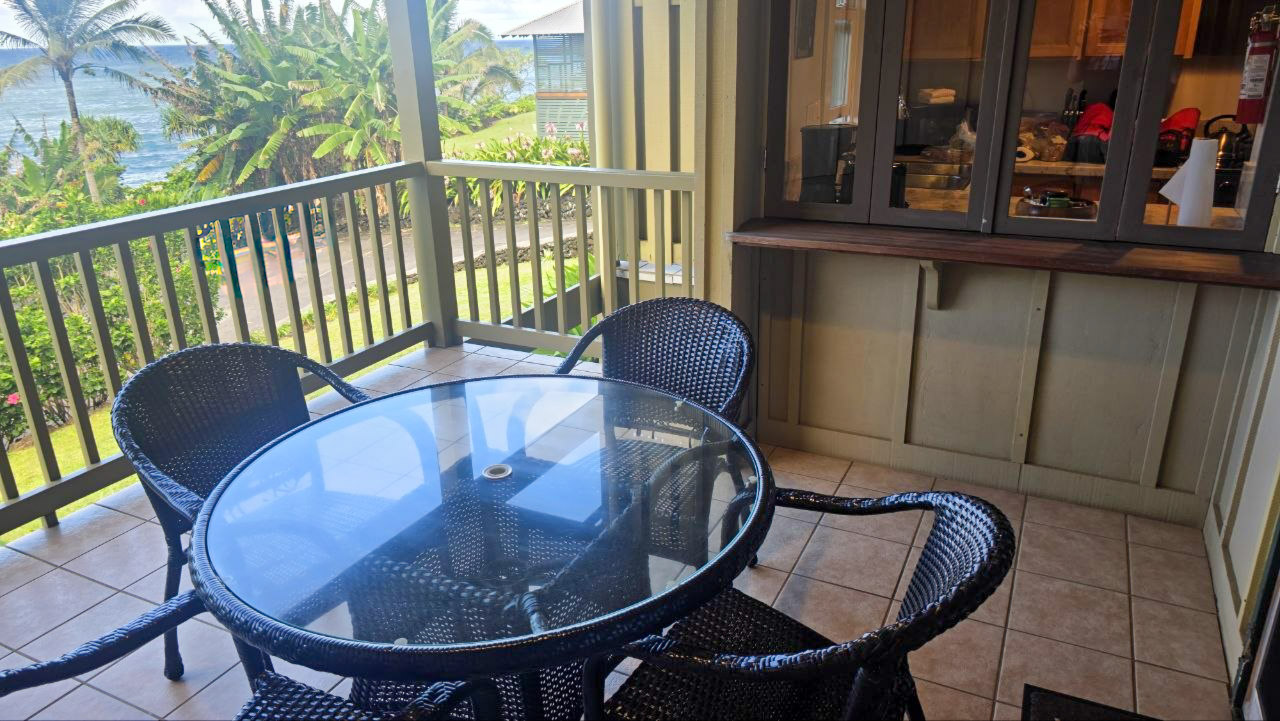
A condo kitchen means buying groceries, making breakfast before heading to the beach, packing lunches, and preparing dinner when nobody feels like going out. Of course families still enjoy Maui restaurants, but they aren’t dependent on them for every meal. With thousands of apartment-zoned vacation rentals still facing closure deadlines, that familiar way of keeping vacation costs under control is becoming less certain.
The Maui vacation kitchen has been the family trick for decades.
Eating out on Maui can quickly become one of the largest expenses of a family vacation. When we reviewed Sale Pepe in Lahaina, our $17 salad, $32 pizza, and $36 pasta came to $85 before tax and tip. Feeding a family of four at those prices could easily run $150 or more, especially with drinks and additional dishes. We were frugal.
Now multiply those expenses across a week or ten days. A condo kitchen allows families to avoid a big portion of that spending. Even Hawaii’s expensive groceries offer more flexibility than purchasing prepared meals throughout the day, particularly when kids are involved.
BOH reader Glenna described this problem in February when we reported on an earlier setback for Maui vacation rentals. After becoming accustomed to accommodations with a kitchen, separate bedroom, and laundry facilities, she couldn’t imagine returning to a conventional hotel room with only a mini-fridge. She also said her family wasn’t willing to spend $600 to $800 a night on a hotel room, especially one with far fewer key amenities.
Her comment reflects a longstanding preference among many repeat Maui visitors. These travelers aren’t necessarily looking for luxury, and a condo with a kitchen may suit them better than a resort offering elaborate pools, multiple restaurants, and other amenities they don’t need. Having room to spread out and prepare food is often more useful than another hotel service, and maybe more important than even the view.
Another reader, Peggy, explained in our article You Still Love Hawaii. So Why Are You Staying Away? that she had postponed returning despite decades of ties to the islands. She wanted modest accommodations with a kitchen for simple cooking because eating every meal out had become so expensive. Finding suitable lodging was one of several reasons she hadn’t booked.
There’s also a difference between a vacation with occasional restaurant splurges and one where eating out becomes a daily necessity. A family might happily spend $150 on dinner twice during a week on Maui, then prepare pasta, salads, or fresh fish at the condo on other nights. Without a stove, adequate refrigeration, and a place to prepare food, many of those choices become too complicated.
The effort to save familiar Maui condos is running into trouble.
Maui County Ordinance 5909, adopted in December 2025, requires covered apartment-zoned vacation rentals to stop operating after December 31, 2028, in West Maui and December 31, 2030, elsewhere in Maui County. Existing qualifying timeshares, properties operating under valid variances, and other legally permitted uses are exempt. The law does not eliminate all vacation rentals on Maui.
The county’s 2026-2027 property statistics identify 6,535 parcels subject to the phase-out, including 2,220 in West Maui and 4,315 elsewhere. Not every affected parcel is an operating vacation rental, and the figures don’t establish how many have full kitchens. The eventual loss of visitor condos will also depend on which properties can remain legally available.
For a while, there was hope that new hotel zoning could save thousands of the threatened vacation rentals. Of the 48 properties considered in September, the commission recommended favorable action only for Hale Kaanapali, Kuau Plaza, Maui Schooner, Hono Koa, and Hana Kai.
These were recommendations, not final rezoning decisions. The County Council can still approve properties over the commission’s objections, although doing so requires six of its nine members. The Council also referred another 32 shoreline complexes for consideration on September 29, leaving many properties awaiting further review.
The latest development came October 23, when the Council rejected proposals to refer four additional complexes for hotel rezoning consideration. Nohonani and Hoyochi Nikko in West Maui, along with Maalaea Kai and Island Sands in Maalaea, failed to advance on 4-5 votes, as confirmed in the official Maui County Council minutes.
None of these votes means the affected condos must stop accepting guests for now, and legal challenges to the phase-out are still pending. But visitors who have returned to the same Kihei, Kaanapali, or Maalaea complex for decades can no longer assume that the property will continue operating as a vacation rental after its deadline.
The search for kitchen-equipped replacements.
Maui isn’t running out of accommodations with kitchens altogether. Hotel-zoned condo resorts, legally permitted vacation rentals, timeshares, and some hotel suites will continue to offer cooking facilities, although their locations, rates, and availability may differ from those of affected apartment-zoned properties.
When we compared Kaanapali and Wailea after our August Maui visit, reader Vida pointed to Maui Kaanapali Villas, where even studios have full kitchens that help keep meal costs down. Properties like that offer an alternative to conventional hotel rooms, and visitors will have reason to look more carefully at the facilities offered by different accommodations.
Price, however, will largely determine how useful those alternatives are. A family accustomed to renting a reasonably priced two-bedroom condo may find that a hotel suite with similar space and cooking facilities costs considerably more, particularly during peak vacation periods. Others may find competitive deals at properties outside the affected zoning districts or decide that a cheaper hotel room offsets the extra money they spend on food.
The county’s housing objective reflects Maui’s severe shortage of homes for residents, worsened by the 2023 wildfires, and converting some visitor accommodations to residential use could help. University of Hawaii economists estimate that a full phase-out could increase Maui’s long-term housing stock by as much as 13%, although the outcome remains uncertain. High condominium association fees and insurance costs could put some units out of reach for many residents, even if purchase prices decline, while other properties may become viable long-term homes.
The visitors most affected may be those who have never considered a traditional hotel an acceptable replacement for a Maui condo. Some have already told us they are reconsidering Maui after years of annual trips. In February, reader Dave described plans for a farewell visit after two decades of returning every year, saying he intended to travel elsewhere afterward. He didn’t identify kitchens as his main reason, but his decision shows how the ongoing vacation rental fight is affecting some longtime visitors.
For families still planning future Maui vacations, the practical question is which properties will still be able to accommodate guests and whether comparable kitchen-equipped alternatives fit their budgets. The first phase-out deadline remains more than two years away, and the rezoning decisions are far from resolved.
We’re especially interested in hearing from families who regularly stay in Maui condos.
How much do you actually use the kitchen during a week’s vacation, and if your favorite property eventually becomes unavailable, would you pay more for another kitchen-equipped condo, change the way you vacation on Maui, or consider somewhere else?
Photo Credit: © Beat of Hawaii in Kihei, Maui.
By Rob and Jeff, Beat of Hawaii.
Some of Hawaii’s most meaningful parts are the ones visitors walk right past without knowing they are there. We’ve spent nearly 20 years finding them firsthand for BOH as full-time Hawaii residents reporting on travel, culture, and island life, and telling you what they mean for your trip. Join us →
Get Breaking Hawaii Travel News