

Some of Hawaii’s most famous places are no longer accessible. Some are closed permanently, others destroyed, and many more have become too risky, restricted, or discouraged due to safety, cultural, or environmental concerns. Even longtime visitors may be shocked to find that favorite beaches, trails, and landmarks are now out of reach—or at least no longer as simple to visit.
We’ve organized this list into three categories: places that are now off-limits, destinations that are still reachable but with significant limitations, and popular spots that remain open but come with new rules and planning hurdles.
Hawaii locations that went from public to off-limits.
These once-beloved locations are either permanently closed, culturally protected, or physically erased. Some may still appear in guidebooks or Instagram posts, but that doesn’t reflect today’s reality.
Haiku Stairs (Oahu): The city voted to dismantle this iconic but long-illegal trail, also known as the Stairway to Heaven. The structure is planned for removal, and access is banned. Trespassers risk arrest and significant fines. A new lawsuit to stop demolition is now underway.
Kipu Falls (Kauai): Located near Lihue, the popular 20-foot waterfall was once easily accessible and a favorite spot for visitors. However, due to safety concerns, including multiple injuries and fatalities from jumping into the pool below, access has been restricted. The area is now off-limits, and visitors are no longer allowed to visit.
Sacred Falls (Oahu): Closed since a deadly rockfall in 1999, Sacred Falls remains under strict closure with active patrols in place. Entering is illegal, despite lingering online posts.
Kaimu Black Sand Beach (Big Island): The original beach was buried by a 1990 lava flow from Kilauea. A new black sand beach has formed nearby, but the place that once was no longer exists.
Lahaina Historic District (Maui): Following the devastating August 2023 fire, most of Lahaina remains closed to visitors. While West Maui has partially reopened, the historic core remains largely off limits for ongoing cleanup and to respect survivors and displaced residents.
Red Hill and Kapukaki area (Oahu): This site, once of interest for its military and natural history, is now closed due to contamination from the Red Hill fuel facility. Public access is restricted, and military oversight remains in place.
Hard-to-reach Hawaii destinations that are still visited.
These places are not technically closed, but getting there has become far more difficult or controversial. Between road bans, cultural restrictions, and hazardous conditions, visiting these areas may no longer be practical or welcome.
Waipio Valley (Big Island): The steep access road is now closed to non-residents, except for a select number of permitted tour vehicles. Hikers are technically allowed on foot, but signs discourage entry, and community sentiment strongly supports limiting access.
Mount Olomana’s third peak (Oahu): The first two peaks are still hikeable, but the third is extremely dangerous and has caused multiple fatalities. Rescues are common, and venturing beyond the second peak is strongly discouraged.
Kipahulu district of Haleakala (Maui): Flash floods, rockfalls, and erosion turn this lush rainforest trail into a hazard zone multiple times per year. The National Park Service issues closures as needed due to extreme weather, and past rockslides (including one in 2011 that killed a child) have shut the Pipiwai Trail immediately. Always obey posted warnings and check NPS alerts before visiting.
The Pools of ‘Ohe‘o “Seven Sacred Pools” (Maui): Open for viewing only. Swimming and wading remain prohibited because of persistent flash floods and rockfall dangers. Stick to the Kūloa Point overlook for the safest experience, and always check NPS alerts before visiting.
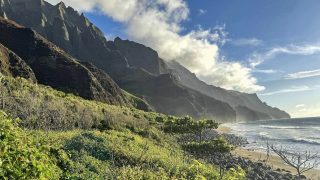
Honopu Beach (Kauai): Legally accessible only by swimming from an offshore boat or Kalalau Beach, this stunning destination is usually too dangerous to attempt. Many visitors don’t realize just how treacherous the swim can be.
Kipu Kai Beach (Kauai): This stunning southeast Kauai cove is tucked behind private farmland once owned by Grove Farm. There’s no public trail. Visitors reach it only by kayak or boat. Kipu Ranch Adventures will take you to an overlook. Hikers who attempt to cross the land are entering private property and risking trespassing. While views are worth it, plan your visit via legal, permitted access only.
Polihale State Park (Kauai): Still open on paper, Polihale requires a long drive down a deeply rutted dirt road that is often impassable after storms. The park has closed in the past due to misuse, and officials reserve the right to do so again.
Queen’s Bath (Kauai): The tidepool itself sits on public shoreline, but the only trail crosses private land in Princeville. Seasonal closures are strictly enforced, with gates locked and “no trespassing” signs posted between approximately October and April. The site remains risky year-round, with a high count of drownings and rescues.
Open Hawaii spots with new rules.
Some of Hawaii’s most popular destinations remain open, but the experience has changed. Many now require permits, reservations, or strict timing. What was once spontaneous now demands planning.
Secret Beach (Kauai): Officially known as Kauapea Beach, this hidden gem is perfectly legal to visit via a short but steep, unmarked trail off Kalihiwai Road. No private land crossing is necessary, though ocean conditions vary. Summer swims are possible, but winter surf is dangerous.
Koko Crater Trail (Oahu): This steep railway climb remains one of Oahu’s most popular hikes, but it’s also one of the most dangerous. On July 5, 2025, the trail was officially closed after an 8-year-old boy fell 20 feet into an old bunker near the summit. The city sealed off entrances and posted warnings, but hundreds of hikers have continued to ignore the closure.
According to fire department data, this trail generates more rescue calls than any other hike on Oahu. Repairs are now underway, and city officials say there’s no timeline for reopening.
Until it reopens, visitors are urged to avoid the area entirely. Safer alternatives include Diamond Head and the Makapuʻu Lighthouse Trail, both of which are scenic, legal, and well-maintained.
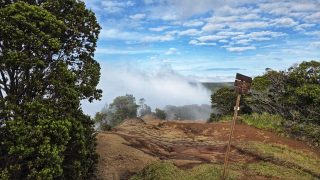
Kalalau Trail to Hanakapiai Falls (Kauai): The first two miles are still open to the public; however, conditions vary dramatically with the weather. Flash floods and landslides are common, and permits are mandatory beyond Hanakapiai Beach.
Diamond Head (Oahu): As of 2022, out-of-state visitors are required to book reservations in advance. This move has reduced overcrowding, but also removed the option of a spontaneous morning hike. See Diamond Head closing 10 times at the height of summer travel.
Ke’e Beach and Haena State Park (Kauai): Following storm damage and resident pressure, access is now available by reservation only, either via paid parking or a shuttle service. Visitors must book well in advance.
Hana Highway (Maui): Still technically open, but many popular stops now have “no parking” signs and active ticketing. Resident complaints continue to grow, and discussions about implementing a permit system are ongoing.
Have you noticed these changes on your trip to Hawaii?
Many closures and restrictions are not posted clearly on social media or review sites. Travelers often discover this only after arriving, sometimes facing citations or hazardous conditions. Check the official park websites, reservation platforms, or the Hawaii Tourism Authority’s website for the most up-to-date information before you go.
Some of these shifts come from legitimate safety concerns. Others reflect a deeper tension between visitor expectations and resident frustration. Either way, the experience of visiting Hawaii is no longer as easy or open as it once was.
Did you find any other closures or unexpected restrictions in Hawaii? Tell us what surprised you most.
Get Breaking Hawaii Travel News


PS im afraid of Hanama Bay they say great for beginners wasnt looking that way the last two times i passed there water current were very strong not good for a novice swimmer like me i can see why there been drowning there way underestimation ocean strength under current and so forth
keep in mind not All tourist or rude and disrespectful that like saying ( on my last trip i went and i run into some not so nice native hawaiians) that all Hawaiian are rude. that wouldnt be fair i know your not all rude it be unfair to judge you by the people i met on my last trip so please avoid lumping all the tourist together and rude and disrespectful some people suck as parents and thats why there kids are the way they are but that a failing in parenting nothing else not all of us are that way
i though both queen bath (witches brew and the toliet bowl got permanently closed due to accidents
The Pools of ‘Ohe‘o “Seven Sacred Pools” (Maui) I think closed in 2020 during Covid. We swam in the pools in 2019. It was an opportune time during Covid to close things and not re-open after Covid restrictions were lifted. The claim is 2 people died at the pools but it’s the same two from the 1980’s. The park has the ability to track weather and rainfall on the upper mountain and then warn and close the pools. They have been doing this for years with a 40 year success rate. Just another location take from the people due to a lazy and controlling government. My family and I had been to the pools 15 years straight and never an issue.
I’m not seeing Hanama Bay on the lists?
As a kid in the early 1960’s Hanama Bay acted as my “Day-Care” after school, M-F ’til my parents got off work & picked me up. Unthinkable in today’s society unfortunately.
I’m not seeing Hanama Bay on the lists?
As a kid in the early 1960’s Hanama Bay acted as my “Day-Care” after school, Monday -Friday until my parents got off work and picked me up. Unthinkable in today’s society unfortunately.
Apparently, all of the Hawaiian islands have become very negative on tourism. This leaves the impression that we should go somewhere else.
Makauwahi Cave Reserve is a huge loss. I’m glad I got to see it. I hope the Māhā’ulepū Heritage Trail remains open and accessible.
The spots on Kauai that are banned, are going to be eventually ignored and will be explored once again…the spots are too beautiful to be ignored…especially, people who are used to going to those places…as usual, wait for the heat to to blow over…it always does…besides, just use the akamai.
I lived in Hawaii for 30 years, beginning in 1969. What a life altering experience. While I’ve always been open to meeting new people, there is no place like Hawaii to meet people from every ethnic background and mix of ethnicities. Not to mention the food, customs and gorgeous places to visit. I returned every year to visit friends who were my ohana for all those years. But the pandemic changed all that. I haven’t been back since. Everything I’ve been reading points to a place I don’t even recognize. While I still want to visit friends I’m a little nervous to return to a place I may not recognize. You
On Maui we have a big problem with people walking or driving past: no trespassing, Private , , stop ,
Road closed, No Entry.
Please stop .
Yes we will still have our helicopters rescue you for free m, . . . but the residents don’t understand why you take our privacy and aloha?
people have no bloody respect
Should also close Hanauma bay to out of state visitors. It should be only open to locals with state ID. We need to safe the reef. Tourists just can’t behave nicely.
Hanauma Bay should be open only to Locals and our Military, a majority for the week(Friday through Monday).
In my seven decades, I been to the Bay just once, and that was to make a police report as an HPD Officer.
Let’s give our bay a chance to breathe by reducing the number of tourist .
Our family has always been polite and respectful of warnings. Never trespassed. Went to the library to learn about Hawaiian culture before our first visit. In 38 years we rented a car only 2x. So don’t blame the heavy traffic on the tourists. We went to Hanauma Bay by bus!! We made Hawaiian friends in all those years and met some youngsters who like to harrass seniors for no reason at all. Not all tourists are jerks. Some Hawaiian young people who for no reason were not so pleasant”.
But not to worry Hawaii, it’s getting too expensive for us. Aloha was such a nice word, now it means “stay away”. So we will, be it with a heavy heart.
When more activities and trails get closed for whatever reason and the percent of closed outweigh the open, IMO I guess it’s time to find a different destination. Hawaii loves the idea of nothing to do but shop or spend.
100% support this. I do think some of the reservation systems need to be refined a bit, but the impact is nice such as Diamond Head.
Safety concerns are important and honestly Hawaii needs to step up enforcement and consequences on that front as well as the Insta-morons needing to respect closures.
Glad I got to see all the hidden places before it was necessary for these restrictions. Mind you as I have many Hawaiian friends it is not really an issue and temoves the overcrowding.