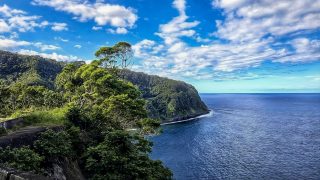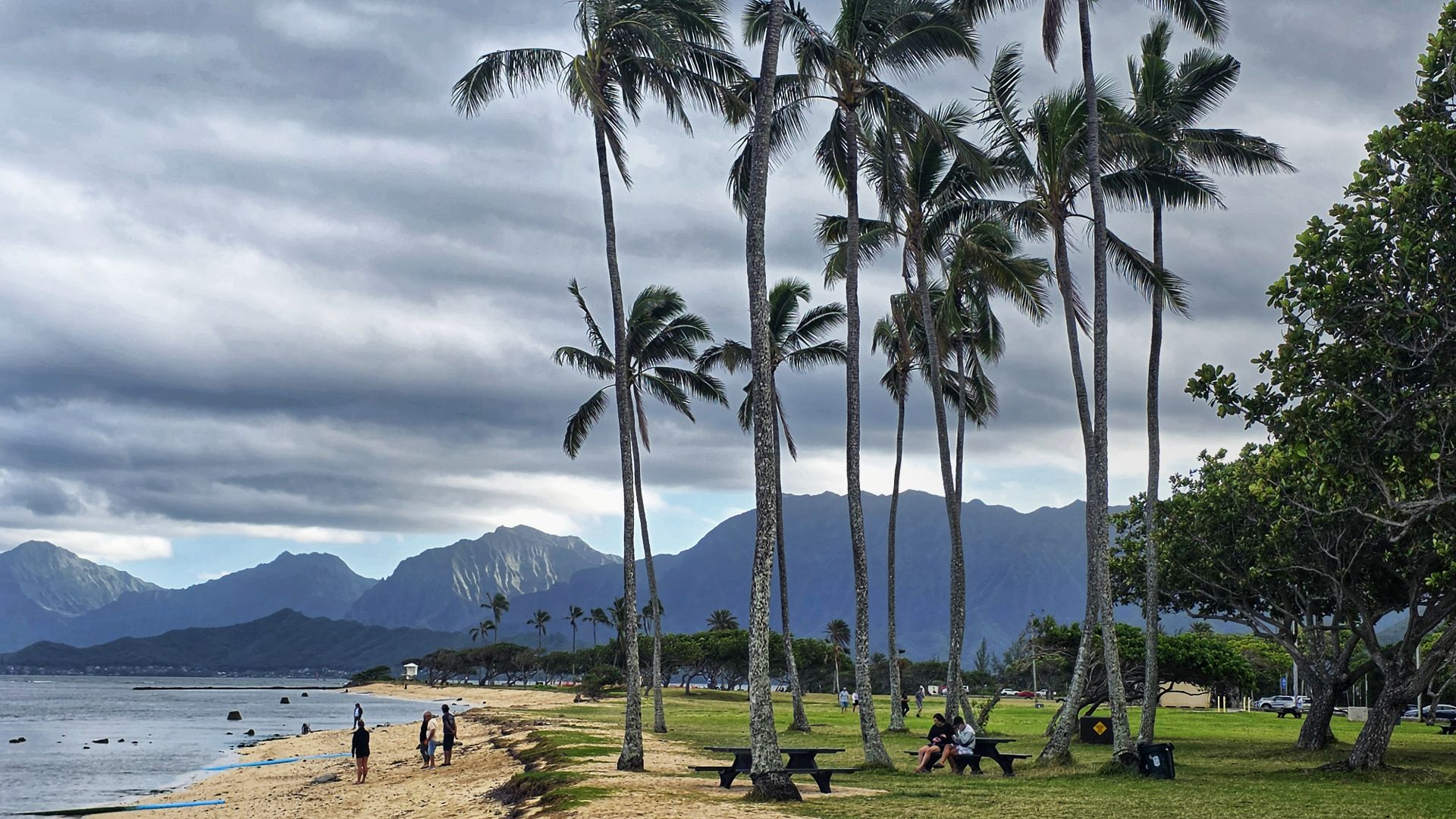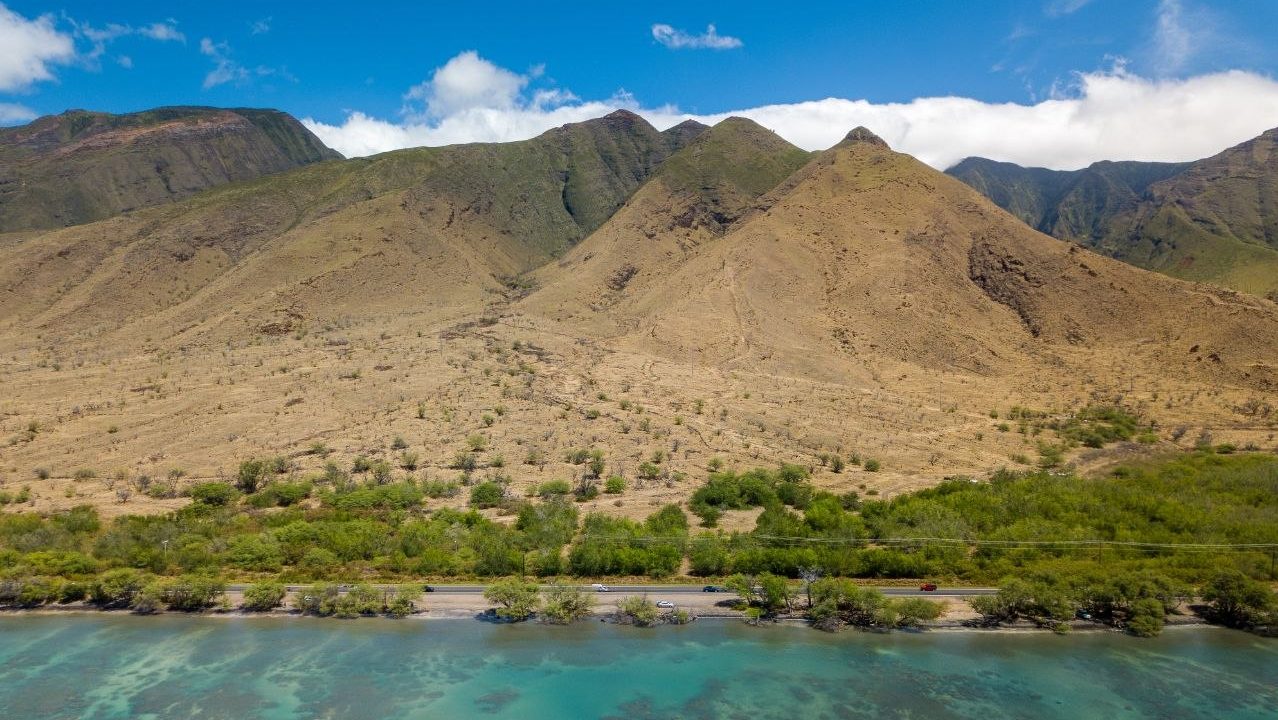
Drive some of Hawaii’s coastal highways, and part of what makes the trip unforgettable is also becoming a problem Hawaii has to solve. The ocean is often just beyond the pavement, while mountains, development, and private property can leave little room to move the road inland.
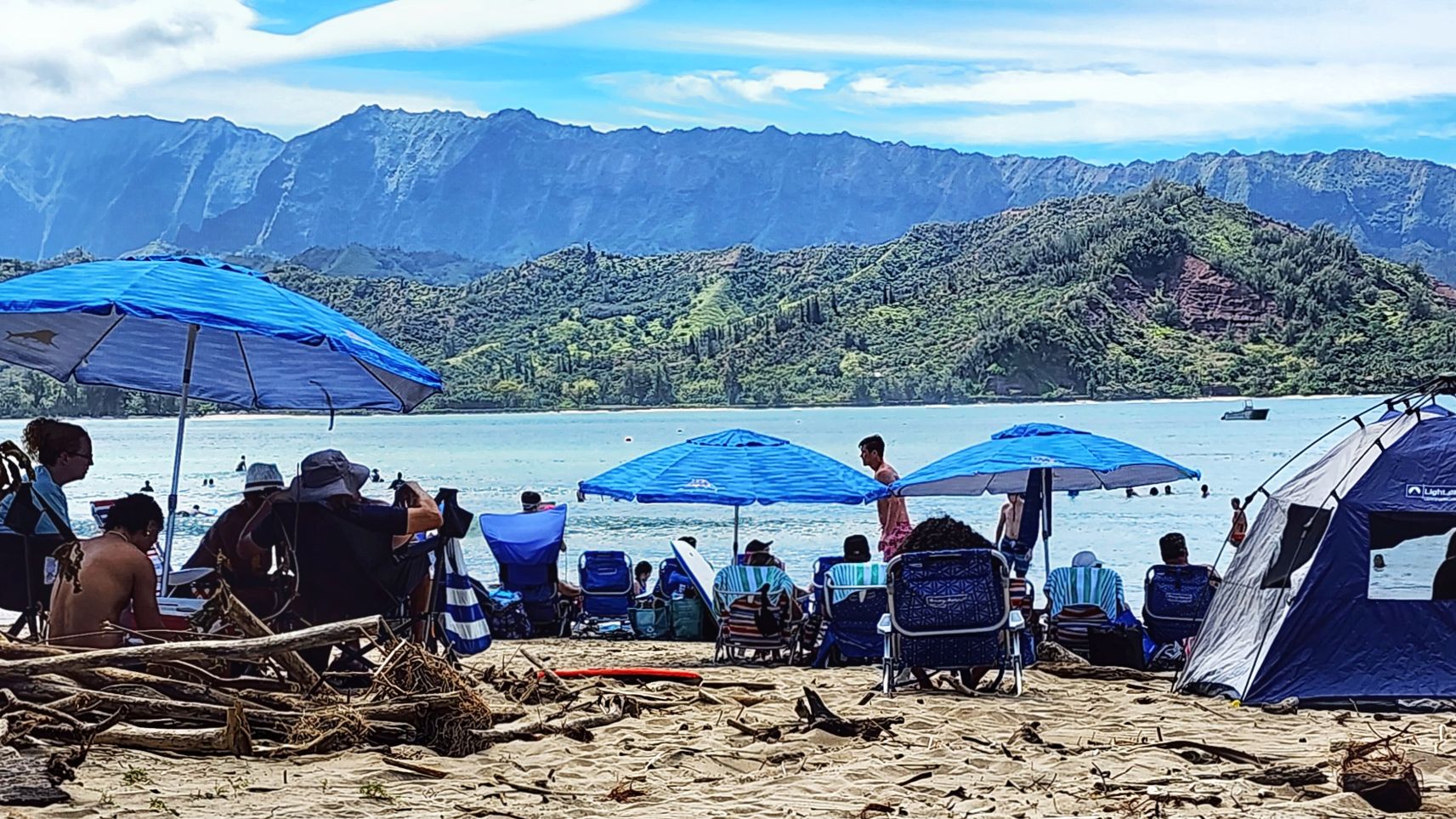
Visitors already know what happens when one vulnerable stretch stops working. We’ve watched Kauai storms trap visitors on opposite sides of the island when Kuhio Highway closes near Hanalei. West Maui visitors heading to Kaanapali, Napili and Kapalua also depend heavily on the Honoapiilani Highway corridor, where the state has been planning to move vulnerable sections farther inland.
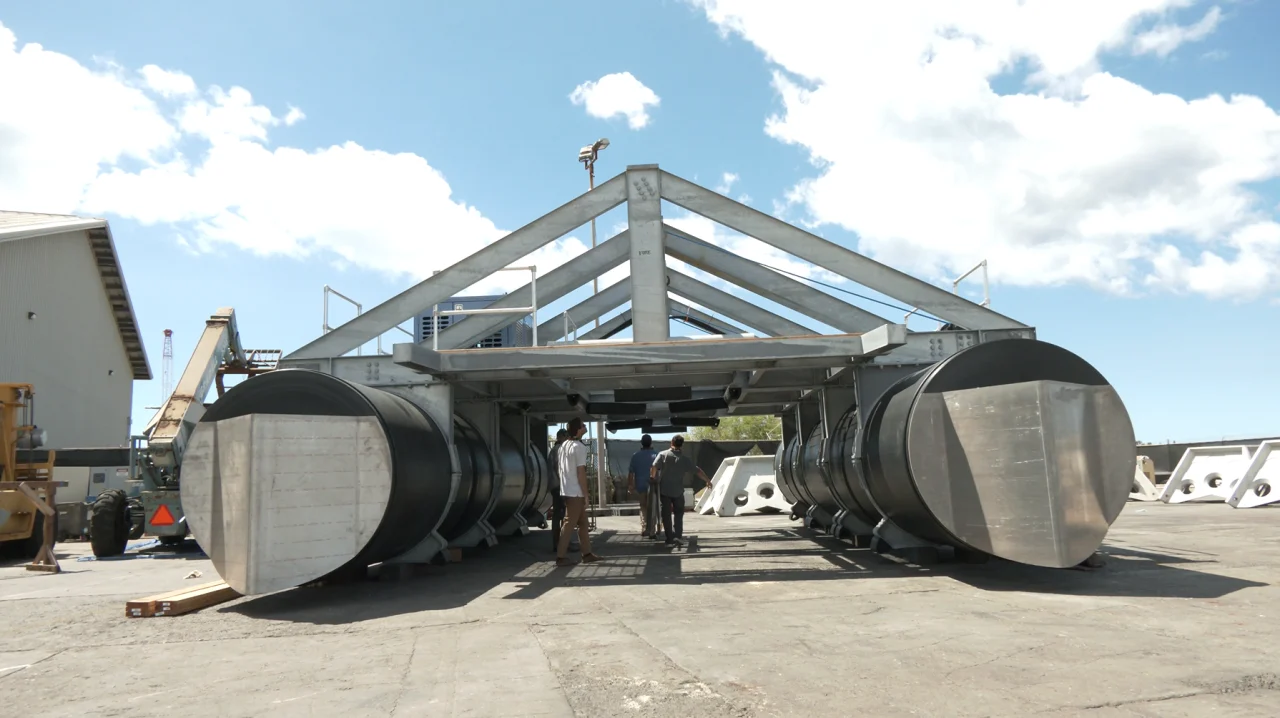
Hawaii is now testing a very different way to protect vulnerable coastlines. Instead of building another wall along the shore, researchers are placing 60 massive concrete structures in the ocean off Oahu and trying to grow a living reef on them to see how it works.
Hawaii is testing protection with room to grow.
The Kalaeloa Hybrid Reef Project is going into shallow water south of Kalaeloa Harbor. The largest porous concrete structures are about 20 feet long, eight feet wide, eight feet high, and weigh close to 12 tons. They’ll be anchored to the seafloor and arranged to break up wave energy before it reaches shore.
Large-scale wave-flume tests produced the number that’s getting a lot of attention. Model breakwaters reduced incoming wave energy by more than 80%, but the 60 structures at Kalaeloa haven’t produced that same result in the Pacific. This first large-scale ocean demonstration will expose them to real waves, currents, and storms to test the theory.
University of Hawaii researchers plan to attach living native coral and specially designed ceramic modules to the structures. Experiments in Kaneohe Bay found that tiny spiral-shaped recesses in those modules attracted about 80 times more baby-coral settlement than flat surfaces, with survival rates up to 50 times higher.
Researchers are going one step further by broadcasting recordings of healthy reefs underwater. The sounds are intended to attract algae-grazing fish, which can also help keep space available for young coral rather than letting algae take over.
The engineering can begin working first. Coral will need time to establish and then survive warming water, bleaching, and other inherent stresses before anyone knows whether the concrete foundation can actually develop into the increasingly effective living defense currently envisioned for the project.
Hawaii visitors already know the problem.
HDOT has identified hundreds of miles of state highway exposed to coastal hazards including storm surge, high-wave flooding and erosion. Some coastal highways also have geographic problems: there isn’t necessarily somewhere else for the road to move to.
We got another firsthand reminder during Hurricane Lowell on Kauai. Hanalei Bridge closed as flooding increased, along with other road disruptions around the island. Lowell didn’t have any relationship with the Kalaeloa project, which had already been under development for years, but the storm showed again how much of an island can be affected when a few essential connections stop working.
The problem doesn’t require a hurricane. On West Maui, Honoapiilani Highway remains the primary route visitors use to reach Kaanapali and the resorts north of there. At Hanalei, years of bridge, slope and erosion work along Kuhio Highway have come with closures and restrictions, and there’s no highway continuing around the island to provide an alternative way in.
Hawaii’s usual choices aren’t appealing. Roads can sometimes be moved or elevated, while seawalls and rock revetments can protect what’s behind them but affect the shoreline in front. Beach nourishment is another long-tried option, although history shows that sand can and will disappear again, and replacing it can become a never-ending expense.
It’s hoped that a reef that weakens waves farther offshore could add another choice without putting a hard barrier directly along the beach.
Now Hawaii’s Pacific Ocean gets to decide.
Kalaeloa isn’t being built to save Kuhio Highway or Honoapiilani Highway, and the project documents don’t establish that these 60 structures will directly protect any single highway. Hawaii is seeking something potentially more useful for the longer term: evidence about whether this approach deserves to be tried where the islands’ transportation infrastructure is at risk.
The concrete structures must remain stable in Hawaii’s extreme waves without causing unacceptable changes in nearby currents, sediment, or erosion. Coral also has to survive long enough for the biological side of the design to add anything meaningful to its coastal protection.
DARPA has described such Reefense systems as potentially able to grow, adapt, and “self-heal.” Natural reefs can add structure as coral grows and recover from some damage, but Kalaeloa still has to establish whether those biological advantages translate into dependable infrastructure protection as Hawaii’s ocean conditions change.
For Hawaii visitors, the experiment ultimately comes back to familiar places where losing one road can change far more than the drive itself. Kalaeloa won’t solve those problems, but it could show whether part of Hawaii’s coastal protection belongs offshore, before waves reach the roads, beaches, and communities behind them.
Could you see this becoming part of the answer for protecting coastal roads, or do you think Hawaii needs to look elsewhere?
By Rob and Jeff, Beat of Hawaii.
Some of the most meaningful parts of Hawaii are the ones visitors walk right past without knowing they are there. We’ve spent nearly 20 years finding them firsthand for BOH as full-time Hawaii residents reporting on travel, culture, and island life, and telling you what they mean for your trip. Join us →
Get Breaking Hawaii Travel News