One airline CEO just publicly threw cold water on the dream of just three-hour flights to Hawaii, while another radically different airplane, this one backed by Alaska/Hawaiian Airlines, is moving closer to its first flight. Both aircraft have been touted as major developments for Hawaii air travel, but their latest updates suggest very different prospects ahead.
United Airlines CEO Scott Kirby says Boom Supersonic won’t meet its promised 2029 timetable. Meanwhile, JetZero, whose unusual aircraft could potentially offer more room and substantially lower fuel costs, has reported significant construction progress and secured new FAA funding. We’ve followed both companies for years, and these developments give us something more substantial than another round of ambitious aircraft renderings to discuss.
Boom’s biggest promises are running into trouble fast.
United was among the first airlines to support Boom’s Overture, agreeing in 2021 to purchase 15 supersonic aircraft, subject to conditions, with options for another 35. The proposed jet promised to cut the Los Angeles to Honolulu flight to about three hours, although United has never specifically announced Hawaii as a destination. Hawaii is thought to have been a contender, however, because supersonic flight is constrained over land.
In an interview released October 28, Kirby said of Boom’s 2029 target, “It’s not going to happen in ’29. It’s going to take longer.” He also acknowledged that the company still faces substantial certification hurdles and questioned whether it would ultimately succeed. That’s quite a change from an airline that helped give the project credibility only five years ago.
The comment follows another setback. When we reported on Boom’s $300 million funding announcement last December, the company had turned to producing natural gas turbines for AI data centers. The idea was that this new business could generate the revenue needed to help finance its much more expensive passenger jet.
In September, Crusoe, the data-center company that was supposed to purchase 29 turbines in a $1.25 billion agreement, walked away from that partnership. Boom says it has other prospective customers and, on October 22, unveiled its first completed turbine core and a new Colorado manufacturing facility. The core, which shares technology with Overture’s planned Symphony engine, is expected to undergo its first firing later this month before Thanksgiving.
Boom has successfully flown its smaller XB-1 supersonic demonstrator, but it hasn’t built the full-size Overture, and its new engine is still under development. Losing the turbine launch customer while United questions the aircraft’s delivery timetable leaves Boom with far more to prove than it had hoped by now.
JetZero has an actual airplane taking shape.
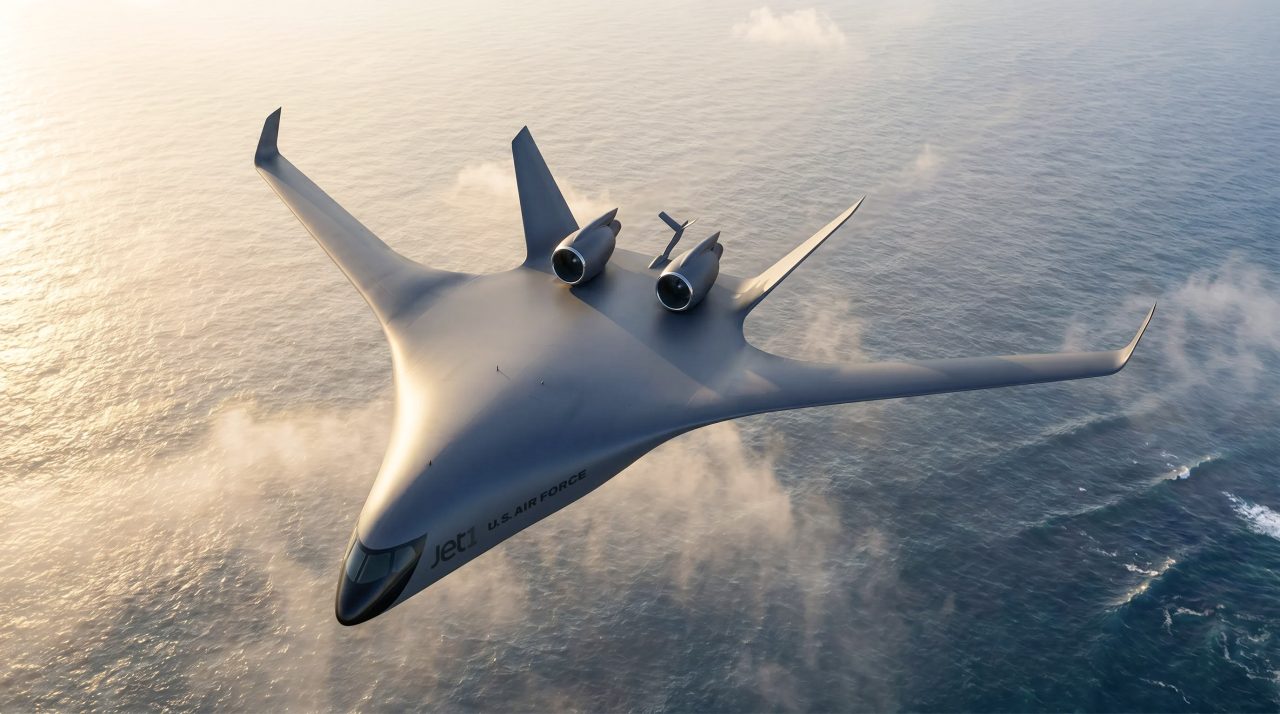
We first examined JetZero’s potential for Hawaiian Airlines in May 2025, when Alaska’s investment raised the possibility that Hawaii travelers might eventually fly aboard an aircraft unlike anything currently in commercial service. Its blended-wing design combines the wings and passenger cabin into one broad shape, rather than attaching conventional wings to a narrow fuselage.
Since that article, JetZero reported that construction of its full-scale Jet1 demonstrator was 40% complete as of June 2026. The company also broke ground on a North Carolina manufacturing facility and secured up to $100 million in financing in August. Its first flight is still targeted for late 2027, with commercial service potentially following in the early 2030s.
Most recently, on October 28, JetZero announced $5.3 million in FAA funding to study airflow around the aircraft’s engines, which are mounted above the body rather than underneath conventional wings. The research will use instruments aboard the full-scale demonstrator to measure engine airflow during actual flight conditions. That’s an engineering challenge the company needs to resolve, and one that can’t be resolved through computer simulations alone.
The proposed production aircraft would carry about 250 passengers, with JetZero claiming up to 50% better fuel efficiency than today’s conventional aircraft. Alaska has invested and holds options for future aircraft orders, while Delta and United are also involved with the program. Construction progress on a demonstrator, however, is a long way from a certified passenger airplane.
Faster Hawaii flights or a better way to fly?
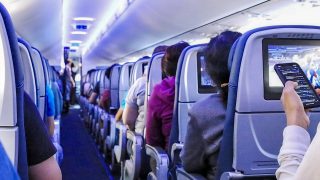
The two aircraft offered Hawaii travelers very different possibilities. Boom has been outselling speed, potentially cutting several hours off a mainland flight, but likely at a substantial premium. JetZero would take roughly the same amount of time as today’s aircraft while promising lower operating costs and an interior that could accommodate different, potentially innovative cabin layouts.
We’ve already asked readers whether they’d pay thousands more to cut their Hawaii flight time in half, and the responses were revealing. Daryl said he’d rather spend that money on something special once he arrived in Hawaii. Andrew, however, said he’d consider the faster flight if the aircraft were comfortable, explaining that at 72 he was in good health and had more than enough money to enjoy the experience.
The JetZero discussion brought comments with a different kind of skepticism. Lee welcomed anything offering more interior space than today’s crowded single-aisle aircraft. S R remembered when early Boeing 747s had actual passenger lounges, before airlines removed them to squeeze in additional seats. Howard pointed out that years of improving aircraft fuel efficiency haven’t necessarily translated into cheaper fares or more comfort.
That’s a legitimate concern for JetZero. Its wider interior could provide an opportunity to significantly improve the passenger experience, especially on the five- and six-hour mainland flights that now frequently use narrowbody aircraft. But airlines decide how many seats to install, and lower fuel consumption doesn’t guarantee lower ticket prices. Howard also raised the practical question of where such an unusually shaped airplane would park at existing airports.
Hawaii is a much more natural fit for JetZero’s proposed 250-passenger capacity and operating range than for a premium-priced supersonic aircraft aimed primarily at business travelers on a corporate budget. Alaska’s involvement also offers a possible link to Hawaiian’s future fleet, although neither airline has indicated it plans to fly the Z4 on Hawaii routes. Its size, airport compatibility, certification, and operating economics still need to be demonstrated.
Which, if either, do you think we’ll actually see flying to Hawaii?
By Rob and Jeff, Beat of Hawaii.
Some of Hawaii’s most meaningful parts are the ones visitors walk right past without knowing they are there. We’ve spent nearly 20 years finding them firsthand for BOH as full-time Hawaii residents reporting on travel, culture, and island life, and telling you what they mean for your trip. Join us →
Get Breaking Hawaii Travel News