Hawaii visitors paying peak winter prices may finally get a break. We are now expecting a 75% probability of below-normal rainfall from December through February, based on NOAA’s October 15 forecast, following a year when some places in Hawaii received nearly three times their usual rainfall.
For travelers who remember the March Kona storms, that’s welcome news. Visitors who chose Hawaii’s normally sunnier resort areas weren’t spared the severe weather that disrupted vacations across the islands. After spending thousands of dollars on flights, accommodations, and activities, several days of heavy rain can consume a big part of a Hawaii vacation.
NOAA’s new winter forecast follows extraordinary rainfall.
The October 15 NOAA winter outlook expects a strong El Niño to bring wetter conditions to much of the southern mainland while favoring drier weather across Hawaii. In its Hawaii-specific forecast, NOAA lists all four Hawaii weather reporting locations as having a 75% chance that total precipitation will fall below normal over the upcoming winter.
From January through September, Kahului Airport, for example, received 281% of its normal rainfall, Honolulu 221%, Lihue 187%, and Hilo 149%. These are measurements at individual airport reporting stations, not for the entire islands, but they show how unusually wet much of 2026 has been at many places.
In September, we reported that NOAA was already favoring a drier Hawaii winter. The October outlook provides much more specific odds, with below-normal rainfall also likely into spring 2027.
That doesn’t mean that all of your Hawaii vacation days will be sunny, or that Hawaii will receive 75% less rain. A seasonal forecast can’t tell visitors or residents what the weather will be during any particular week.
March showed what happens when Hawaii’s sunny side gets soaked.
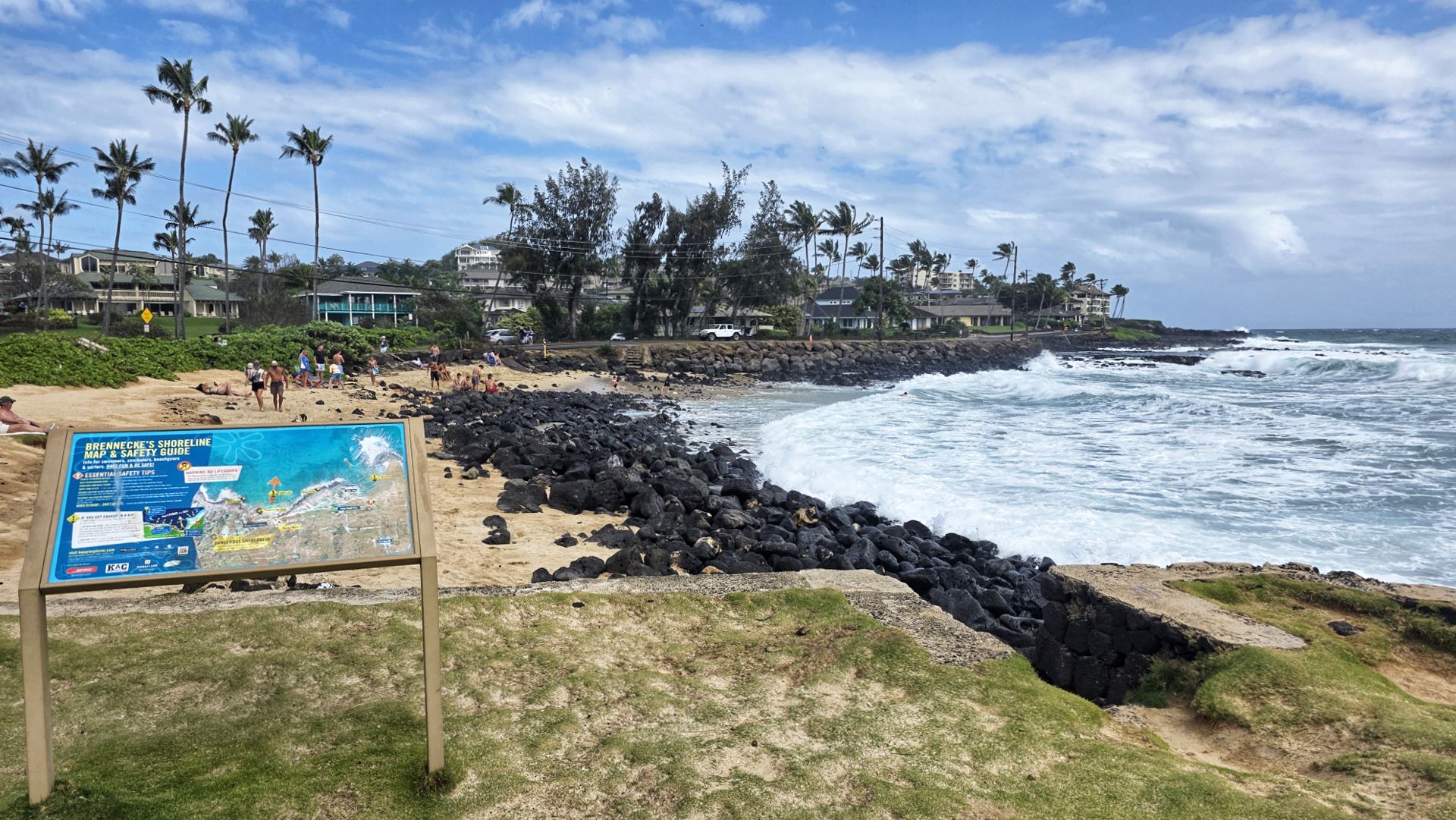
During the March Kona storms, we reported how visitors staying in Hawaii’s normally drier resort areas were caught in severe weather. Waikiki, Wailea, Poipu, and Kona are among the places travelers often choose in part because they’re generally sunnier than windward areas. But Kona storms can reverse familiar rainfall patterns, bringing prolonged rain to places that usually avoid the worst of it.
The first March Kona storm lasted nearly five days. More than 100,000 customers lost power statewide, roads and popular destinations closed, and travelers faced disruptions that went well beyond just a missed day at their favorite beach.
Those of us who live here have a different concern. Below-normal winter rainfall can worsen drought and dry out vegetation, raising wildfire concerns too if the pattern continues into spring. A winter that works out beautifully for visitors could create problems for Hawaii later in 2027.
NOAA’s next forecast update arrives November 19, ahead of the upcoming high season travel rush. It will provide another look at the developing winter pattern.
Did the heavy rain and storms earlier this year affect your Hawaii vacation, or are you planning a winter visit? We’d like to hear whether NOAA’s new outlook changes how you’re feeling about the trip.
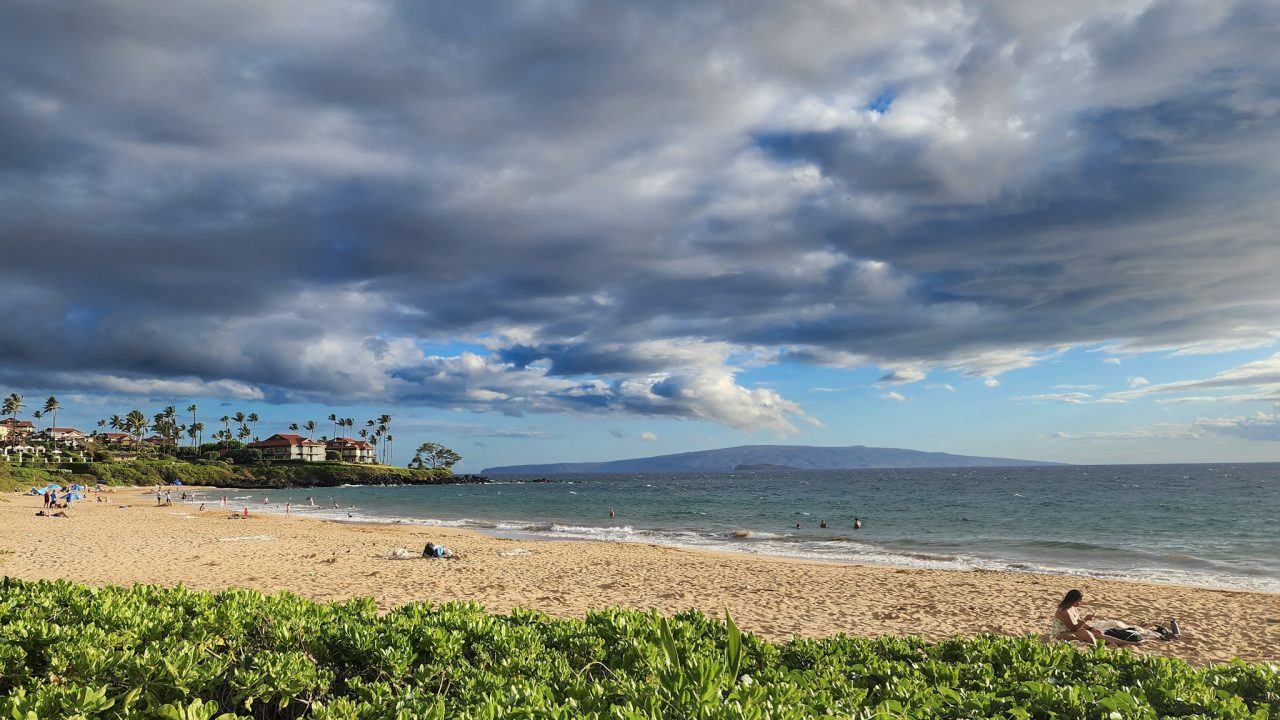
Lead Photo: © Beat of Hawaii on Maui.
By Rob and Jeff, Beat of Hawaii.
Some of Hawaii’s most meaningful parts are the ones visitors walk right past without knowing they are there. We’ve spent nearly 20 years finding them firsthand for BOH as full-time Hawaii residents reporting on travel, culture, and island life, and telling you what they mean for your trip. Join us →
Get Breaking Hawaii Travel News