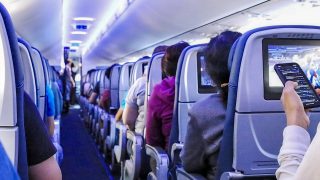
Would you pay $70 just to avoid a middle seat on your next flight to Hawaii? That’s the amount a New York Times reporter recently challenged United Airlines CEO Scott Kirby about, and he defended charging passengers extra for an ordinary aisle or window seat.
We’re not talking about extra legroom, premium seating, or a more comfortable cabin. Just avoiding the middle seat. At $70 per person each way, that would add $280 for a couple or $560 for a family of four, with no one getting a better seat.
Those are hypothetical round-trip totals, not quoted Hawaii fares, but the math and Kirby’s comment are hard to ignore. On a five- or six-hour trans-Pacific flight, the difference between an aisle seat and being wedged between two strangers can feel rather enormous.
Hawaiian and Alaska have introduced more individualized seat pricing, Southwest has abandoned open seating, and passengers buying the cheapest economy tickets have fewer opportunities to choose where they’ll sit without paying more. Some of the extra charges buy additional legroom or other benefits. Others simply buy different seats in the very same economy cabin, and nothing premium.
United’s CEO defends paying to avoid the middle seat.
In an October 18 New York Times interview, reporter Jordyn Holman asked United’s Kirby why a passenger without frequent-flyer status might have to pay $70 to avoid a middle seat. Kirby defended the airline’s approach, explaining that some customers want the cheapest possible transportation while others have preferences they’re willing to pay for.
“There are some customers who want to sit in a window seat or a better seat, and that costs money to deliver,” Kirby said.
The $70 was the reporter’s example, not a standard United charge applied to every flight. United’s regular Economy fares generally include standard seat selection, while Basic Economy passengers can pay for advance assignments. Preferred locations and extra-legroom seats are another matter, with prices depending on the flight and availability.
An ordinary window or aisle seat doesn’t necessarily cost the airline more than the middle seat beside it. The seat has the same width, legroom, and service, but travelers prefer those locations, and supply is limited. On a long Hawaii flight, that preference can matter far more than it would on a quick trip between neighboring mainland cities.
Hawaiian and Alaska are putting prices on individual seats.
When Alaska Air Group announced changes to its seating arrangements for travel beginning in April 2026, the company was unusually candid about its approach. In its announcement about the new seat choices, it explained that passengers would increasingly see individual seat prices based on their preferences. The company even suggested that passengers willing to sit in the middle might save money, while those who wanted a window or aisle could pay more.
The basic distinction is that the cheapest, most restrictive fares generally leave passengers with little or no complimentary advance seat choice, while regular economy fares include standard selection. Preferred locations and extra-legroom seats can still cost more, even when standard selection is included. The exact options depend on the airline, fare, and flight.
Southwest joins the seat selection business, with upgrades.
Southwest once offered Hawaii travelers an entirely different arrangement that we came to even enjoy. You boarded by position and selected whatever open seat you preferred. Paying for EarlyBird Check-In or upgraded boarding could improve your chances, but you couldn’t buy individual seats separately. It was quirky but largely worked. But it didn’t make enough money.
That ended January 27, 2026, when Southwest switched to assigned seating. Its cheapest Basic fare generally comes with an assignment at check-in, while higher fare categories include varying levels of advance seat selection. Travelers can purchase upgrades when available, and Southwest’s published optional fees now list the paid seat upgrade range.
American and Delta also restrict advance seat selection on their cheapest fares. American made another change in May 2026, eliminating complimentary advance seat selection benefits for elite travelers purchasing new Basic Economy tickets. Even frequent flyers can no longer assume that status will necessarily rescue them from every restrictive fare.
We found charges for ordinary Hawaii economy seats years ago.
In our 2023 investigation, Seat Selection Up To $304: Gotcha! On Hawaii Flights, we found United preferred-location seats without additional legroom priced from $33 to $49 between Newark and Honolulu. On other flights we examined, the only seats available without paying extra were sometimes middle seats near the rear of the aircraft.
That was three years ago, and those aren’t current prices. But we’d already documented the predicament Kirby was defending: passengers could pay extra for an ordinary aisle or window seat, or take their chances with what was left.
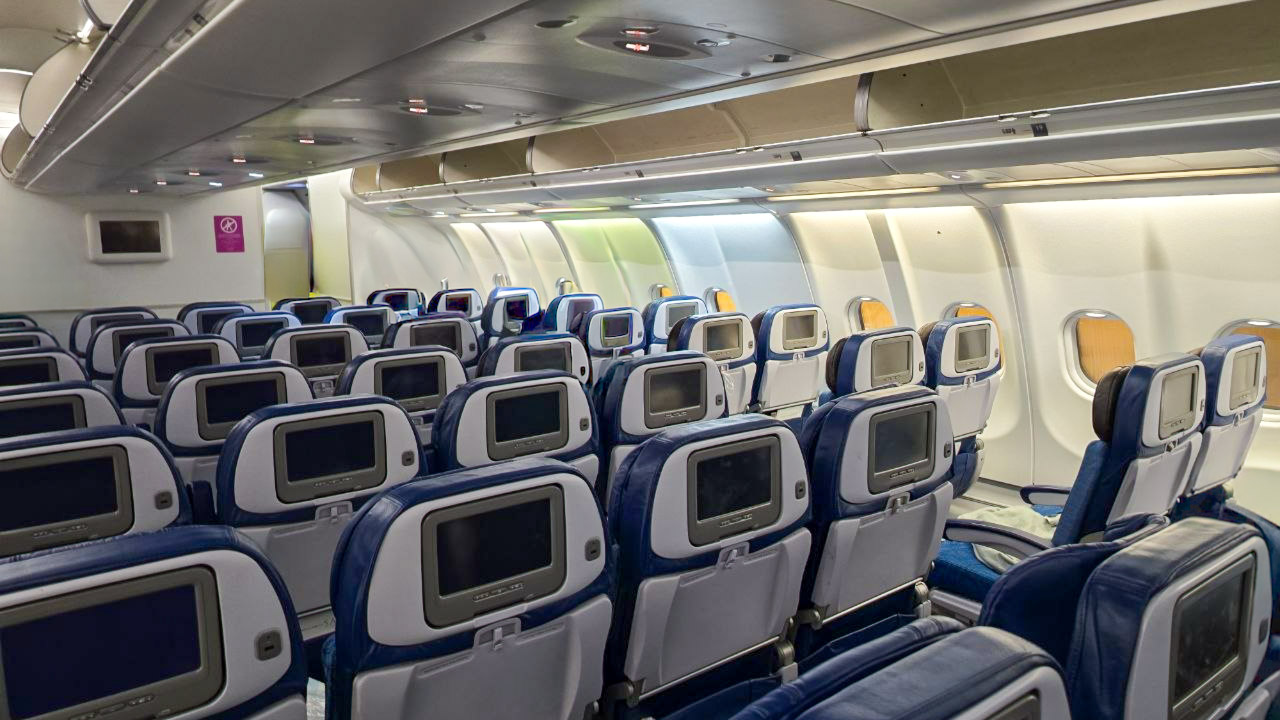
Aircraft also differ in ways no amount of seat-selection pricing can eliminate. Hawaiian’s Airbus A330 has a 2-4-2 economy layout, allowing couples to sit together without a middle seat and, in theory, without paying extra (if those seats are available). Their Alaska 787 has a 3-3-3 arrangement, so couples must either share a row with a third passenger or choose seats across the aisle. Other travelers may find the worst seat is actually at the rear, near the lavatories, where people congregate during longer flights.
Even Hawaii’s shortest flights aren’t immune. As we reported in Hawaii’s Beloved Two-Seat Side Disappears In 2028, Alaska has confirmed that Hawaiian’s Boeing 717 fleet will be replaced by Hawaiian-branded Boeing 737-800s, with the transition beginning in 2028. The change from 2-3 to 3-3 seating eliminates the popular two-seat side and introduces another dreaded middle seat in every economy row, potentially nearly doubling the number of middle seats on interisland flights.
What happens when you pay and still lose your seat?
Airlines can change assignments after purchase because of aircraft substitutions, schedule changes, and operational requirements. United specifically states that even purchased seat assignments aren’t guaranteed, although it says it tries to provide comparable seating when changes become necessary. Passengers who paid specifically to avoid a middle seat may be particularly unhappy if they’re reassigned to one.
Refund rules vary, and getting a seating charge back doesn’t make the flight any more comfortable. Families face additional complications, although some airlines commit to seating young children beside an accompanying adult without charging extra, subject to conditions.
Before buying the cheapest fare, compare the total cost with a regular economy ticket that includes standard seat selection. Adding separate charges for everyone in the reservation can erase the original savings, and a higher fare sometimes includes benefits beyond seat selection. Travelers with airline status or eligible credit cards may also have seating options that aren’t available to everyone else.
We’re curious how BOH readers approach this. Would you pay $25, $50, $70, or even more to escape a middle seat on a six-hour flight to Hawaii? Does your answer change when it’s an overnight flight, a much longer trip from the East Coast, or when you’re traveling with someone you want to sit beside? What’s the most you’ve actually paid to choose a seat on a Hawaii flight, and was it worth the money?
By Rob and Jeff, Beat of Hawaii.
Some of Hawaii’s most meaningful parts are the ones visitors walk right past without knowing they are there. We’ve spent nearly 20 years finding them firsthand for BOH as full-time Hawaii residents reporting on travel, culture, and island life, and telling you what they mean for your trip. Join us →
Get Breaking Hawaii Travel News