
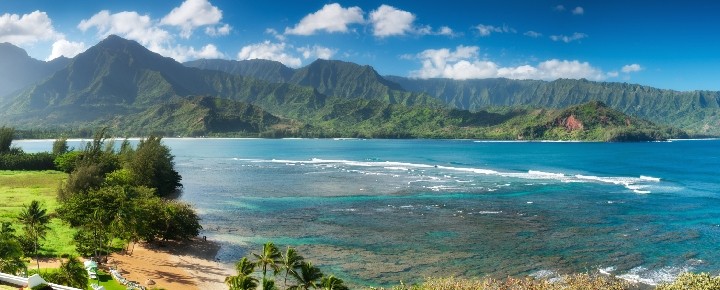
We were packed and ready to head to Hanalei Bay on Thursday, just as we had so many times before. It was shaping up to be a typically epic North Shore Kauai swim day. Then the notification came through—another shark sighting at Hanalei Bay. Ocean Safety was already posting signs, and the water was officially off-limits. Our plan ended right there.
Sharks have long held cultural significance in Native Hawaiian tradition. Known as mano, they are seen not only as powerful creatures, but sometimes as family guardians, or aumakua. Their presence in the ocean is treated with a mix of reverence and caution, not fear. While today’s closures are a modern safety protocol, they echo an older understanding that the ocean isn’t ours to control. We’re just visitors in it.
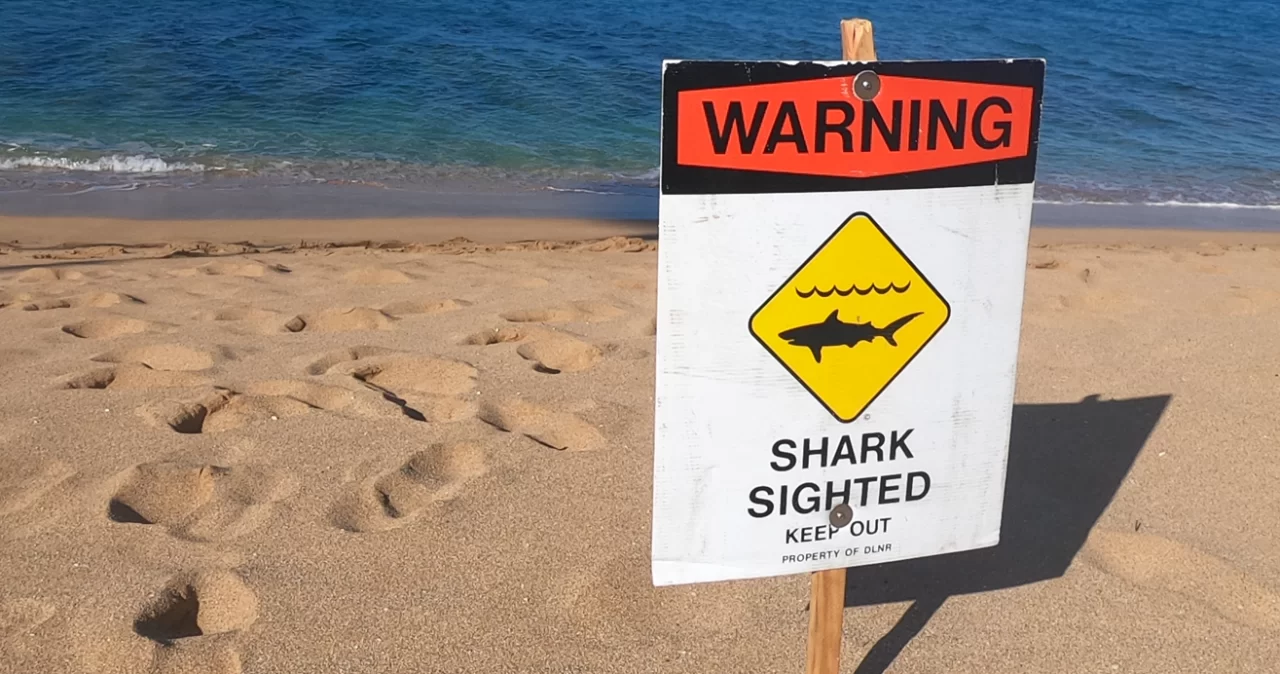
Shark sighting confirmed, water closed.
At about midday on Thursday, lifeguards at the Hanalei Pavilion tower spotted a shark estimated at four to six feet in length moving through the swimming zone there at the beach. The call was made quickly: post the signs, clear the water, and issue a “no ocean activity” advisory. That includes swimming, surfing, snorkeling, and everything else in the bay. No one was hurt, and the situation was handled smoothly.
Lifeguards will reassess conditions and determine whether the bay can reopen by Friday. In the meantime, the signs remain up and the message is simple: stay out.
This isn’t unusual for summer at Hanalei.
If this is your first time hearing about a shark closure at Hanalei, it might sound dramatic. It’s not. For those of us who spend time here year-round, this is just something that happens in the warmer, calmer summer months, as it does in winter.
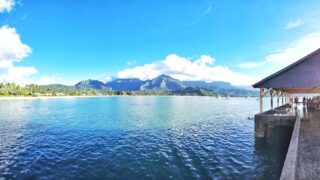
But during the summer, the water becomes clear, with excellent visibility. The water surface is typically calm and tranquil, and the reef is buzzing with fish activity. Occasionally, a shark glides in close enough to be seen, and this time, it is duly noted. We’ve also seen them from the nearby Hanalei pier.
These aren’t attacks or near-misses. They’re simply sightings. But the standard protocol is to act conservatively. One clear sighting is enough to shut down the water for the day.
While shark sightings can occur at any time of year, they tend to have a greater impact on visitors from approximately May through October. That’s when the ocean is most inviting for wading and swimming, and far more people are in the water.
In winter, Hanalei shifts largely into big wave mode, with fewer swimmers but more surfers: sightings don’t affect visitor ocean use in quite the same way.
Our history with this iconic beach runs deep.
At Beat of Hawaii, we’ve written about Hanalei Bay for nearly two decades. And we’ve walked, swum, paddled, and sat on this beach for far longer than that. When we say it’s Beat of Hawaii’s home beach, we mean it. We know the feel of the sand under bare feet in summer, and the way the rain rolls off the cliffs behind in winter. We’ve watched winter waves close the beach to all but the boldest surfers, and we’ve swum in the summer shallows from the pier to the end, with nothing but calm for miles.
Today wasn’t the first time we have had to turn around. And it won’t be the last.
If you’re new to the area, our guide to Hanalei Bay explains some of what makes it special and how different it looks depending on the season.
And if you’re wondering why Hanalei keeps showing up on world’s best beach lists year after year, we covered that too.
What visitors should do.
The beach remains open for sunbathing, walking, and taking in the view. But until lifeguards give the all-clear, the water is off-limits. If you see the warning signs or red flags posted near the lifeguard towers, don’t go in. Conditions can change quickly, but so far, this appears to be a one-time sighting with no ongoing risk. Still, Ocean Safety takes no chances.
You can always ask the lifeguards for updates directly or call the Kauai Ocean Safety Bureau at 808-241-4984. Don’t rely on social media rumors or visitor forums. They won’t give you the real-time read that lifeguards can. If the signs are still up, choose a different beach for now. Lifeguards will update and remove them as soon as it’s safe to return to the water.
Looking for a safe alternative? Try Anini.
If you still want to swim today and stay nearby, Anini Beach is a solid choice. Located just down the road from Princeville, Anini Beach Park is protected by a long fringing reef that keeps conditions calm even when other beaches are closed. It’s especially popular with families and first-time snorkelers. The reef buffers the shoreline from deeper ocean activity, which makes shark sightings less common.
There’s no surf to speak of in summer, but for a quiet float, even while under the shade of a beachfront tree, you won’t find a better option within 20 minutes of Hanalei.
The ocean always sets the terms.
For all the visitors who come to Hanalei expecting paradise—yes, it often delivers—it’s easy to forget that this is still the wild Pacific Ocean. We don’t control what’s out there. Sharks, jellyfish, currents: they all play a part in the rhythm of beach life in Hawaii.
A temporary closure like this isn’t a failure. It’s part of the deal. Hanalei is beautiful, but it doesn’t owe us perfect conditions every day. If anything, this is a small reminder that the beaches here are alive, dynamic, and sometimes unpredictable.
Why this matters for your Kauai vacation.
If you’re visiting Kauai now, a beach closure might feel like a hiccup in your plans. But these are the days that shape your memory, too. It’s one thing to swim Hanalei Bay on a postcard day. It’s another thing to understand what goes into keeping it safe. Shark sightings, lifeguard calls, ocean closures — they’re all part of the same Kauai landscape.
And when it reopens, and it will, you’ll step back into the water with a little more awareness. Maybe that’s not such a bad thing after all.
Get Breaking Hawaii Travel News


Interesting… i was surfing (tiny waves) there early Thursday morning.