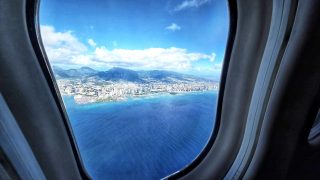
A reader comment got us thinking about something we’ve listened to in different forms for years. He had returned to Maui for the first time since 2022 and was stunned by how different it felt. The prices bothered him, but so did something harder to put a number on. To him, Maui had become too commercial, too transactional, and no longer felt like the island he long remembered.
Then he told us he was leaving Maui for Kauai, where he said he still found the Hawaii he loved. Not long after, we met another visitor making the opposite case. He left Kauai disappointed by the cost and what felt to him like an unwelcoming experience, while describing Maui as friendlier, better for swimming and offering more choices for the money.
That contradiction caught our attention because we live on Kauai and also love returning to Maui frequently, most recently staying in Kaanapali, Wailea and Hana on the same trip we just returned from. After watching both islands change, we’re now wary of the familiar shorthand that Maui is the commercial one while Kauai is the quieter, more authentic alternative.
Don’t assume Kauai costs less.
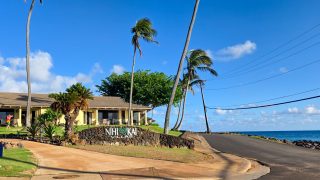
The idea that Maui is the expensive resort island and Kauai is its simpler, less costly alternative hasn’t held up for us. We’ve stayed at 1 Hotel Hanalei Bay, and can personally confirm that Kauai’s high-end resort prices can easily rival Maui’s, with luxury hotels routinely reaching four figures a night. The island also has fewer accommodations and less variety, particularly outside vacation rentals.

Maui has far more hotel inventory spread among very different visitor areas. Wailea remains extraordinarily expensive, but it doesn’t represent the entire Maui market. We recently found West Maui hotel pricing had changed enough to make us reconsider Kaanapali, and once there, our roughly $375 nightly rate, including the resort fee, at Royal Lahaina was less than we’d expected for an oceanfront resort.
What suited us even more was how much came with the location. Beach, walking, the trolley, other resorts and restaurants, and Lahaina five minutes away, which visitors can once again begin exploring as the town rebuilds after the 2023 fire, gave us plenty to do without depending on one property to provide the whole experience. Wailea was another proposition entirely, something we know from our own stay at Grand Wailea as well as our more recent return to the area.
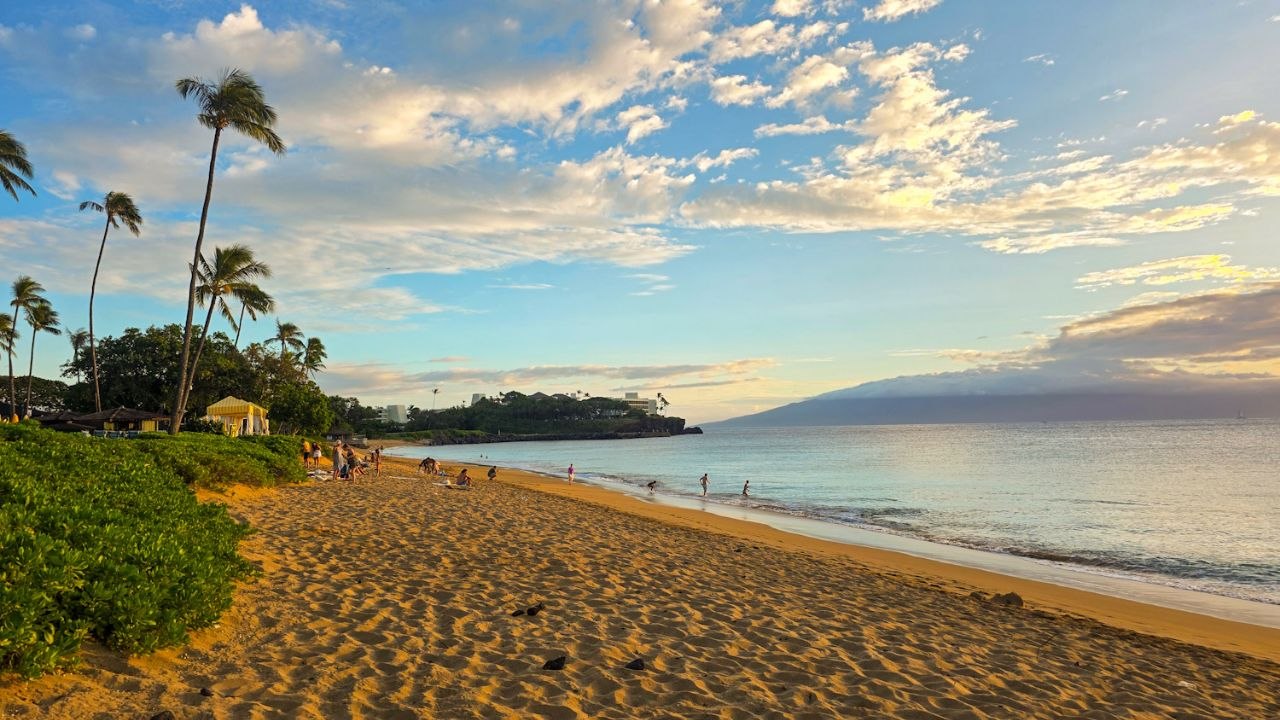
Where you stay can matter almost as much as the island.
Kaanapali didn’t feel the way we’d built it up in our heads before returning; Wailea offered a much more self-contained and expensive version of Maui, and staying two nights in Hana changed the experience again. Those weren’t just small variations on the same vacation.
Kauai changes with location too, although on a smaller physical scale. A Princeville resort stay doesn’t resemble basing yourself in Kapaa, and Poipu creates a different daily rhythm from either one. The difference is that it often takes surprisingly little time on Kauai to leave its major visitor areas behind and find yourself on a two-lane road passing neighborhoods, farms, beaches, food trucks and small businesses that don’t appear to exist primarily for the people staying at the nearest resort.
Maui’s concentration of hotels and services can make a vacation considerably easier. On Kauai, we routinely get in the car for dinner, shopping, or another beach. Maui also has more restaurant choices and more places where several options are clustered nearby, while Kauai’s restaurants are fewer and more dispersed.
Both islands offer experiences that have almost nothing to do with the resort economy. We’ve attended E Kanikapila Kakou on Kauai and spent time with Maui’s long-running Lahaina Hawaiian Music Series. As we found when we compared these Hawaiian music nights on Maui and Kauai, residents and visitors can sit together for an evening centered on Hawaiian music without the elaborate packaging and pricing associated with many visitor experiences.
Kauai still feels less developed, but it isn’t always simpler.
Visitor activity is also very uneven, and with tourism still not fully recovered after the storms, much of Kauai remains relatively quiet even as certain popular spots get busy. Traffic through Lihue and Kapaa can be miserable, Hanalei and the North Shore are dramatically busier than they were decades ago, and some places now require planning that repeat visitors never had to think about years ago. Kauai has essentially one main highway, with few alternatives when traffic backs up. Maui has more route choices in some areas, but getting to West Maui or through Paia toward Hana can be just as frustrating.
Haena State Park and Kee Beach are obvious examples. Nonresident visitors need advance reservations, and the old routine of driving to the end of the road and deciding what to do when you got there disappeared years ago. We’ve written about how Kauai’s North Shore access can collide with reservations and changing ocean conditions.
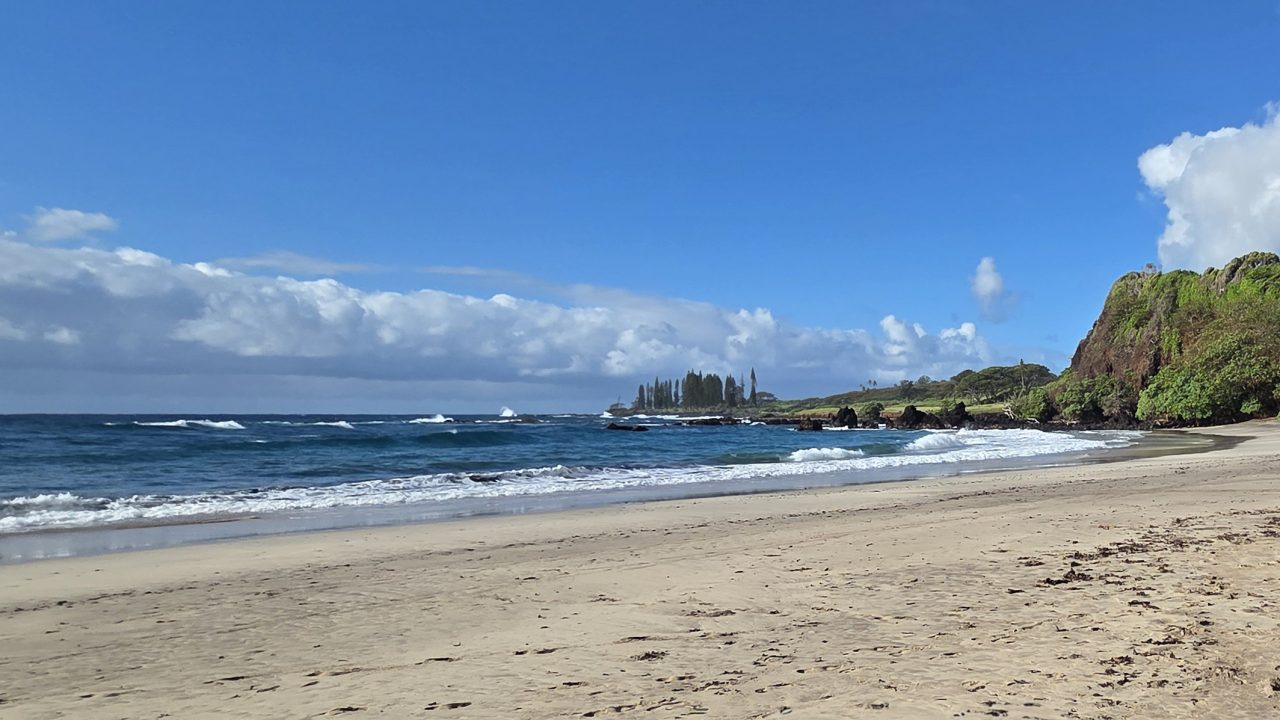
Then we went to Honolua Bay on Maui and immediately thought of Haena before its visitor system changed. Cars were wedged along the road, parking was virtually gone, and people kept arriving while three large snorkel catamarans were in the bay. Reservations, off-site parking and shuttles have been proposed for Honolua Bay, although none of that is in place.
Swimming conditions can change the comparison.
Beach-focused visitors may find Maui easier. The visitor who preferred Maui specifically mentioned better swimming around Kaanapali and Wailea after finding Kauai rough. During our own Maui stay, however, Kaanapali was too rough for us one day, and Wailea was even rougher, so we wouldn’t promise anyone that choosing Maui guarantees calmer water.
Kauai conditions vary enormously by coast and season, particularly on the North Shore, and Maui beaches change with swell and wind too. Maui generally provides more developed beach areas and more nearby alternatives if the first choice isn’t working, while a Kauai trip centered on a particular coast may require more adjustment around ocean conditions.
Which island fits you better now?
We’d lean Maui for someone who wants more lodging and restaurant choice, convenient visitor services, several distinct areas within one island, and more flexibility when a beach, hotel price, or daily plan doesn’t work out as expected. Those areas can produce dramatically different vacations without the time and expense of changing islands.
We’d lean Kauai for someone who wants to move beyond concentrated resort development quickly, is comfortable having fewer dining and accommodation choices, and likes the way rural scenery and smaller communities remain part of ordinary driving around the island.
If you’ve narrowed your next Hawaii trip to Maui or Kauai, what will determine your choice now?
Photo Credits: © Beat of Hawaii.
By Rob and Jeff, Beat of Hawaii.
Some of Hawaii’s most meaningful parts are the ones visitors walk right past without knowing they are there. We’ve spent nearly 20 years finding them firsthand for BOH as full-time Hawaii residents reporting on travel, culture, and island life, and telling you what they mean for your trip. Join us →
Get Breaking Hawaii Travel News