

You may see a short ocean safety clip on the plane or catch a video playing in baggage claim, but the real nuts-and-bolts guidance that locals rely on rarely reaches visitors. You pick up your bags and step straight into a place where the rules are different and the risks are often quiet. Every week, visitors end up in situations locals would’ve avoided without thinking.
Some of these mistakes are inconvenient. Others can be deadly. Here are nine things residents quietly do that keep them safe, out of trouble, and still enjoying every part of Hawaii.
These habits are evident everywhere in daily life here in Hawaii, and the first ones often begin at the water.
Ocean safety:
1. The 10-minute ocean guideline: watch before you step in.
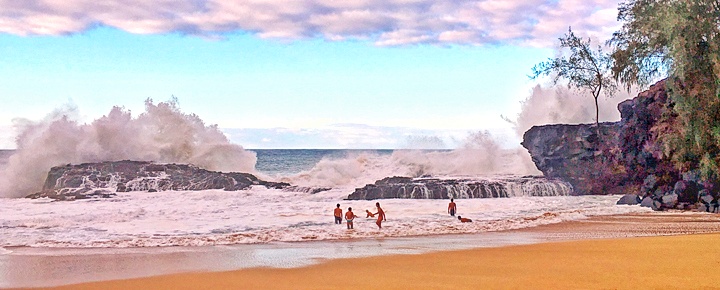
Watch Hawaii residents before they go into the water. They often pause and study the ocean. What they’re doing is checking the rhythm of the surf sets. The ocean here moves more slowly and hits harder than most people expect, and it can be several minutes between big waves. Those quiet gaps fool visitors into thinking the sea is calmer than it is, until a larger set rolls in.
Seven in ten drowning victims in Hawaii are visitors, according to state data. Many of these accidents happen in gentle-looking conditions, especially on the south and east shores. Residents rarely turn their backs to the water, and they avoid wet rocks (think Lumahai) and blowholes where waves still reach. Spending up to ten minutes watching before you move close can tell you everything you need to know. Locals do it because they’ve seen what happens when people don’t.
2. Tide pools: wet rocks mean danger.
Tide pools look peaceful. The shallow blue water and still lava rim appear safe for photos or a quick dip, but that calm surface can change instantly. The waves that created those pools can refill them with force when the next big set arrives.
Serious injuries and deaths have happened at Queen’s Bath on Kauai and in tide pools near Hana Maui and South Point on the Big Island. Locals only go at low tide when the surf is minimal, and many skip them entirely. The rule is simple: if you see whitewater where you plan to stand, turn around. If the rocks are wet, assume the waves still hit them. Every local has heard or seen the stories that keep them cautious.
3. Surf reports: check before you go.
Even people who never surf at all regularly check weather, surf and wind forecasts before heading to the ocean. It’s part of daily life here. Reports show wave height, direction, wind speed, and turbulence, which all affect swimming and snorkeling safety. A light offshore breeze can make water crystal clear, while a rising swell can hide strong currents. Three-foot surf might look manageable until you’re fighting a rip current that wasn’t entirely visible from shore.
https://safebeachday.com/state/hawaii/Visitors who skip this step sometimes find murky water or poor visibility that also ruins an otherwise epic day. Residents check because it’s habit and they’ve learned how fast the ocean can turn. It takes less than five minutes on Safe Beach Day, Hawaii Ocean Safety, NOAA’s forecast site, or other sources to plan for safety and enjoyment.
4. The moon calendar locals check before snorkeling.
Box jellyfish arrive like clockwork each month, eight days after every full moon, especially along Oahu’s south shore. Beaches such as Waikiki, Ala Moana, and Hanauma Bay all post warnings, but visitors often miss them. One careless swim can mean painful stings and a lost vacation day.
Locals try to track the lunar cycle or check the jellyfish calendar online before heading out. During those days, they pick other beaches or take a snorkeling break. It’s a small, simple adjustment that comes from living here long enough to know the pattern.
Hiking and driving:
5. Why locals usually don’t hike mid-day.
Visitors start hikes at ten or eleven, thinking that’s early. In Hawaii, it’s already often too late for comfort. By mid-morning, the humidity, heat, and steep grades combine fast. Trails like Koko Head and Diamond Head are exposed, and temperatures climb quickly.
Locals try to head out soon, far earlier, wear shoes instead of slippers, and bring at least two liters of water per person for anything over two miles. Hundreds of hikers need rescue in Hawaii each year, mostly from heat exhaustion or dehydration. Starting early means you finish safely, and you get better photos too.
6. The road rules for mountain drives.
Hawaii’s weather shifts within minutes. Roads that are dry in the morning can flood during the afternoon, especially in valleys or mountain areas like Waimea Canyon, Hana, or Mt. Tantalus. Locals stop or turn around when they see brown, fast-moving water across a road or highway. Visitors sometimes keep driving and discover the pavement washed out underneath. We’ve gotten stuck in fast-moving water, even on the highway in Kapaa, for example.
Night adds a whole other layer of danger. Many of the most scenic roads are unlit and narrow, with one-lane bridges and blind turns. Locals avoid these after dark or in heavy rain. On Hana Highway alone, tow trucks make multiple calls every week. Knowing when to wait and when to stop is part of what living here informs.
Everyday safety.
7. Where locals actually park.
Yes, sadly, car break-ins do happen at beach pullouts and popular trailheads. Visitors assume a quiet spot is fine, but locals know which lots are watched and which aren’t. They use signed stalls, park near other cars, and never leave anything visible. It also isn’t wise to move things to and from your trunk after you’ve parked – you just don’t know who might be watching.
Even well-known spots see break-ins. A backpack left behind can quickly attract attention. Locals don’t risk it. They take only what they need and keep valuables out of sight. It’s not paranoia, just common sense and experience.
8. The 50-foot wildlife rule.
Federal law requires keeping at least 50 feet from monk seals and 10 feet from sea turtles, with fines up to $10,000 for violations. For dolphins and whales, the distance increases to 150 feet. Locals give space because they remember when visitors were fined or publicly shamed for ignoring the rule.
If an animal looks injured or stranded, report it to NOAA instead of touching it or posting photos. Locals are aware that interference can harm animals or cause mothers to abandon their pups. The best photo is the one taken from a respectful distance.
9. Why visitors need reservations and locals rely on backup plans.
Permits and reservations are rarely optional for visitors in Hawaii. Hanauma Bay, Diamond Head, and the USS Arizona Memorial all require advance booking. Managed-access parks, such as Haena on Kauai, sell out quickly. Visitors should plan for backup days and times in case of weather changes or cancellations, as conditions can shift rapidly.
Locals do not always need reservations, but they still build backup plans into their day because surf, closures, and weather often change with little warning. Visitors who assume they can show up are often turned away. Booking early and double-checking confirmations saves hours of frustration.
These nine habits aren’t secret. They’re simply what people who live here end up doing without thinking about it. Hawaii rewards the people who pay attention to it. When you understand these patterns, everything here feels easier and safer.
If you know someone planning a trip to Hawaii, pass this along. It’s the kind of practical information most visitors never get.
Get Breaking Hawaii Travel News



At Poipu last night people on the beach respected the cones but those in the water were
So clueless and made it hard for the honey to come in. If I lived here I would be a docent with attitude. The docents did nothing
You meant “honu”?
Excellent advice.
One of the problems that leads to this BOH article “You Still Love Hawaii. So Why Are You Staying Away.” is number 9. Visitors have to plan and reserve so much, often well in advance, that making alternative plans is very difficult, if not impossible, especially when they have to use an inflexible, decentralized system that may not have a refund ability built in. So, consequently, weather or circumstance be damned, you go.
You said exactly what I was going to say
And the day we had Ha’ena parking reservations that I got up at 3am to get, the Kalalau was closed. And I only knew this by checking the website. There should be a system where if this happens you get tj next day it’s open