A $600 Hawaii hotel room doesn’t become a bargain just because you’ve decided to book it. At $4,200 for a week before 19% taxes, it’s a price you can resent while still wanting the vacation enough to pay it.
That reluctance to give up travel is surprising, even to the companies taking the reservations. A new Financial Times report describes holiday bookings holding up despite inflation, higher airfares and more, while retailers including Ikea are reporting weaker sales. Booking Holdings’ Glenn Fogel put it this way: “people will trade off many other things before they cancel their travel.” And therein lies Hawaii.
The Hawaii vacation has a different place in the budget.
We’ve heard readers talk about their attachment to Hawaii for years. Ed described returning to Hawaii this year after choosing Spain instead in 2025, writing, “It felt so good to be back in Hawaii this year!” His stay was slightly shorter, but the alternative destination hadn’t replaced the people and place he wanted to return to. For someone who feels that way, comparing Hawaii with a cheaper vacation doesn’t settle the decision. The money saved has to be weighed against giving up the trip they actually want.
Globally, travelers booked $54.5 billion through Booking.com and Priceline during the third quarter, up 10% from a year earlier. The company’s latest results also show room nights increasing 7%, so the spending growth wasn’t simply higher prices for the same amount of travel.
The Financial Times found that the largest publicly traded hotel groups had gained nearly $50 billion in stock market value this year alone. Marriott, Hilton, and Hyatt also raised their outlooks, despite pressure on travelers’ budgets. That totally caught our attention.
Those $600 Maui rooms are actually getting booked.
Visitors staying at Andaz Maui at Wailea, Fairmont Kea Lani and Hyatt Regency Maui paid an average room rate of $637 from July through September, according to owner Host Hotels & Resorts. The average was about $612 a year earlier, and the share of rooms occupied rose from 69.9% to 76.1%.
These are rates for occupied rooms, not ambitious prices displayed on a booking screen. They describe three upper-end resorts rather than Maui as a whole, and don’t tell us what those guests earn or what they cut elsewhere to make this work. As we’ve seen in what Hawaii visitors are willing to pay for, having the money and choosing to spend it are entirely separate decisions.
Organized travel is contributing at other properties. Park Hotels & Resorts, which owns Hilton Hawaiian Village, reported a more than 130% increase in group revenue there, helped by the completed Rainbow Tower renovation. Those results include business beyond individual vacationers deciding what they’ll pay for a Hawaii hotel room.
Nor is every owner keeping more of the money. At Hilton Waikoloa Village on the Big Island, revenue per available room rose 20.2%, yet adjusted operating earnings fell 12.5%. Park hasn’t disclosed enough property-level detail to say whether that decline was due to a particular expense.
The next Hawaii trip isn’t guaranteed.
The same global companies can keep a customer even when Hawaii loses the booking. Someone who switches destinations rather than cancels can still book through the same travel website or stay with the same hotel brand, so worldwide resilience doesn’t guarantee loyalty to the islands.
We’ve already documented how longtime Hawaii visitors are shortening trips and changing their spending, sometimes giving up activities, rental cars, or a second island while keeping the vacation itself. Booking’s latest outlook suggests similar adjustments are happening worldwide, not just in Hawaii.
Back in July, reader Nancy told us she was keeping Maui in her plans but dropping the Big Island. She was less certain about coming back after that: “I don’t think we will return for the next 2-3 years.”
That’s the uncertainty the latest travel boom doesn’t yet answer. People are still finding ways to take the Hawaii vacations they want, but every increase in airfare, hotel rates, and other costs gives them another reason to reconsider the next one. For Hawaii, getting visitors to come back next time may be harder than getting them to pay for the trip they’ve already planned. We’ve heard that uncertainty repeatedly, including from readers in Hawaii Visitors Keep Booking The Trip They Call Their Last.
Are you still willing to pay today’s Hawaii vacation prices, or have you reached the point where the next trip is no longer worth it?
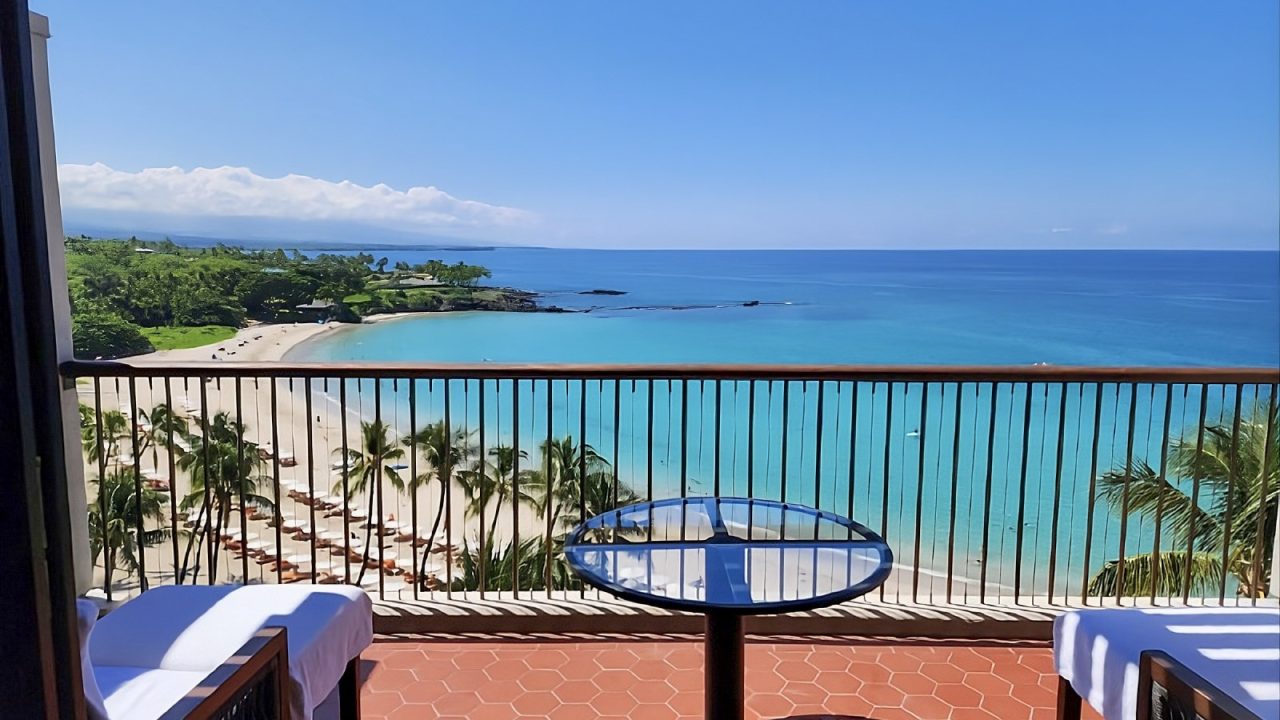
Lead Photo Credit: © Beat of Hawaii at Mauna Kea Beach Hotel on Big Island.
By Rob and Jeff, Beat of Hawaii.
Some of Hawaii’s most meaningful parts are the ones visitors walk right past without knowing they are there. We’ve spent nearly 20 years finding them firsthand for BOH as full-time Hawaii residents reporting on travel, culture, and island life, and telling you what they mean for your trip. Join us →
Get Breaking Hawaii Travel News